Partway through the final push toward Low’s Peak, our group moved in near silence, one slow step at a time on steep granite. Then the guide stopped and pointed at a break in the horizon: a thin line of deep blue and gold rising under the stars.
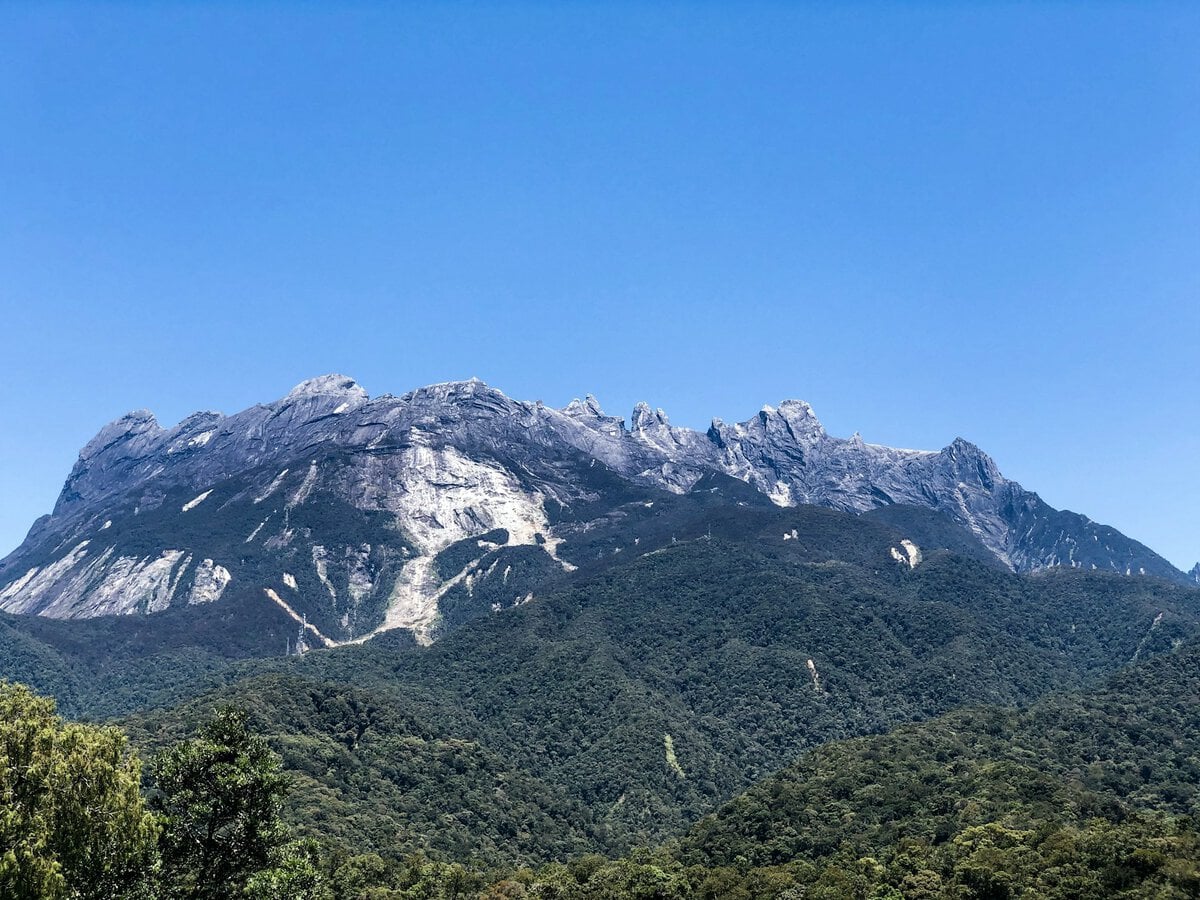
That moment is what the whole two-day climb builds toward. Climbing Mount Kinabalu takes you 8.72 km from damp rainforest at Timpohon Gate to bare granite at 4,095 meters, the highest point on Borneo. The sunrise is only part of it. Most people plan for the summit; the stairs, the cold, and the permit rules are what catch them out. Below is what each day feels like, what surprises people, and what to sort out before you book.
- Day One: From Rainforest to Panalaban
- Early Morning at Kinabalu Park
- Stone Steps and Rest Shelters
- Above the Tree Line
- Day Two: The Dark Climb to Low’s Peak
- Headlamps on the Granite
- The Moment the Sky Changes
- Sunrise at Low’s Peak
- The Guides Who Know the Mountain
- What Surprises People on the Climb
- The Weather Turns Quickly
- The Altitude Hits Fit People Too
- The Summit Is Quieter Than You Think
- Two Climates in Two Days
- Practical Information
- What to bring
- Frequently Asked Questions
- How difficult is the Mount Kinabalu climb for beginners?
- How far in advance do I need to book a Mount Kinabalu climb?
- Can children climb Mount Kinabalu?
- What happens if I don’t reach Sayat-Sayat in time?
- Will I definitely see the sunrise above the clouds?
- What food is there on the climb, and should I bring snacks?
Day One: From Rainforest to Panalaban
Early Morning at Kinabalu Park
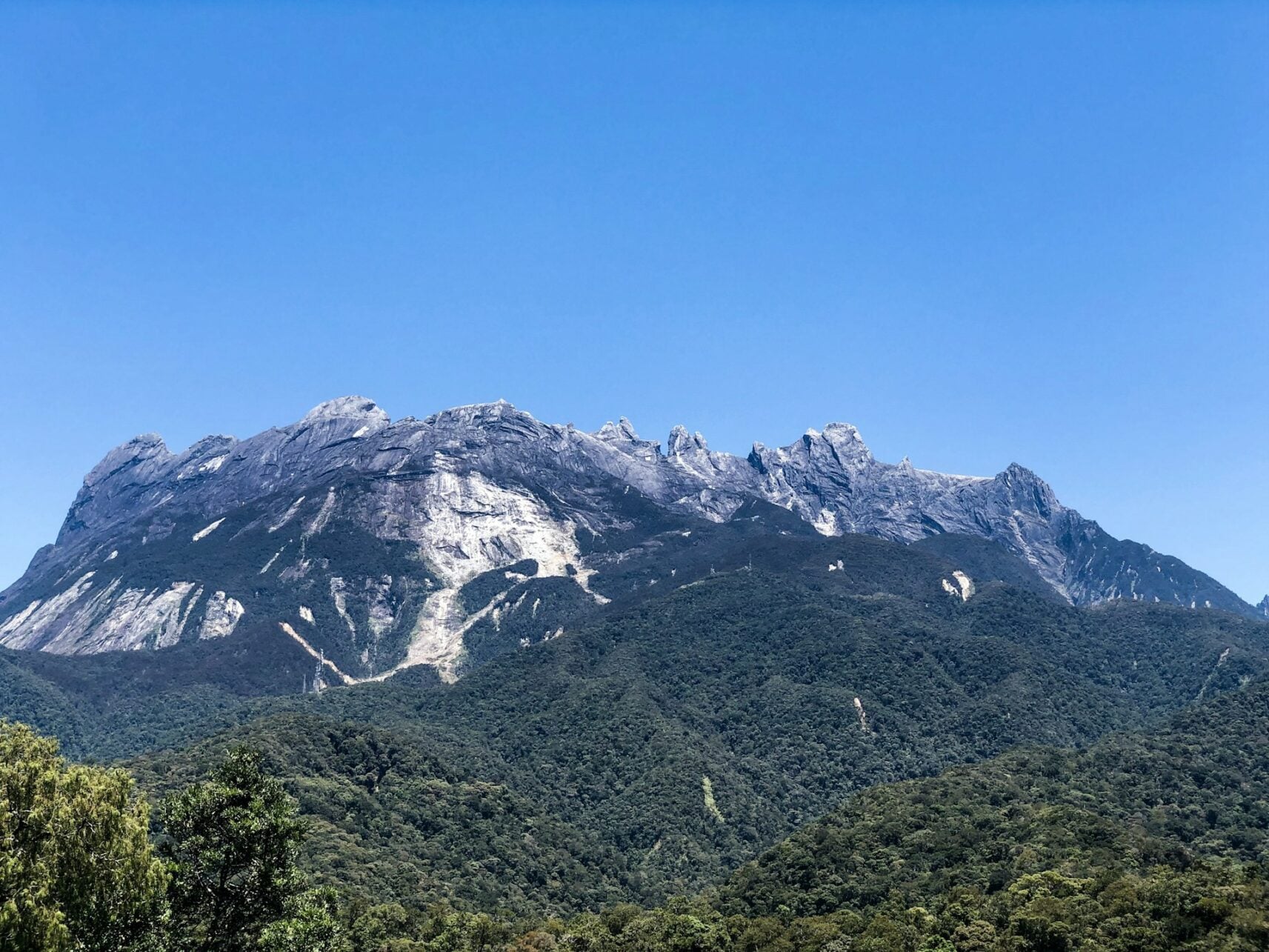
The day starts at Kinabalu Park headquarters, about two hours’ drive from Kota Kinabalu and already 1,563 meters above sea level. The air is cool and damp, and on a clear morning the mountain stands over the park like a wall of stone. You register, collect your permit lanyard, meet your mountain guide, and drive the short road up to Timpohon Gate, where the trail begins at around 1,866 meters.
Then you set off under tall rainforest trees. Mist curls through the undergrowth. Birds call from the canopy, insects buzz in the ferns, and the first sound you settle into is your own boots on the trail. The smell reaches you before you’ve gone far: damp earth, moss, wet leaves. If it has rained overnight, check your ankles at the first shelter. Leeches in the Borneo rainforest are a nuisance rather than a danger, and a pair of leech socks takes care of most of them.
Stone Steps and Rest Shelters
The trail steepens gradually. Forest paths give way to stone and timber steps that cut upward through mossy roots, and there are a great many of them. By midday the climb has become a rhythm. You take a step, then another, then stop at one of the simple shelters along the way for water and a snack and look back at the valley shrinking below.
This is the part many write-ups skip. The first day covers 6 km and roughly 1,400 meters of elevation gain, and most climbers need four to seven hours to do it. The stairs are relentless, and they wear on your legs and your patience well before the mountain gets dramatic.
Above the Tree Line
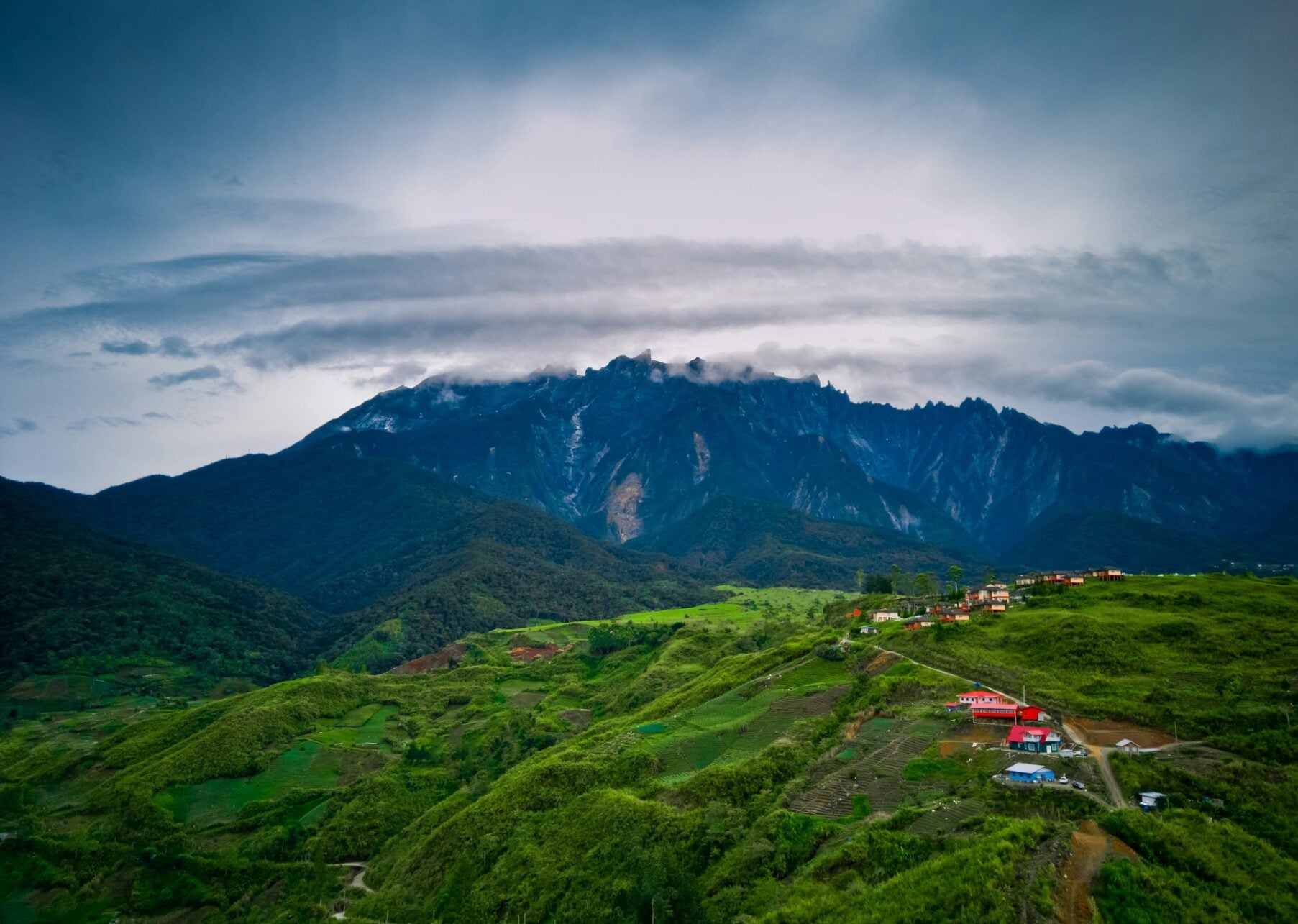
As the forest thins, the landscape changes fast. Trees shrink into twisted, moss-covered scrub, then give way to exposed rock, wind, and wide slopes of gray granite. The air turns colder, drier, and quieter. Look out for pitcher plants along the upper trail, and for the small alpine flowers that grow in the cracks of the rock.
By mid-afternoon you reach Panalaban (still often called Laban Rata), the cluster of rest houses at 3,272 meters where every climber spends the night. You arrive tired but buzzing. A hot buffet dinner and an early night are the plan, because the next push starts at around 2 a.m.
Day Two: The Dark Climb to Low’s Peak
Headlamps on the Granite
You wake in the cold and leave in complete darkness. Headlamps form a slow line up the trail and, higher up, across steep granite slabs, where a fixed rope helps you keep your footing. The only sounds are wind across the rock and careful footsteps, with the occasional word of encouragement from a guide or another climber.
The summit is only 2.7 km above Panalaban, but it is the hardest 2.7 km of the climb. Climbers pass the Sayat-Sayat checkpoint at 3,668 meters, then cross the open summit plateau. Each movement is deliberate in the thin air, and near the top the temperature can drop close to freezing. The wind on the exposed slopes cuts through anything you haven’t layered properly.
The Moment the Sky Changes
Just before the summit, the darkness starts to shift. A faint glow shows on the horizon. Climbers stop, breathing hard, and watch the first light spread.
One guest on our climb stopped mid-step, pulled their gloves tighter, and looked up without a word. As light spilled over the ridgelines and the sea of clouds below began to glow, their face changed. Tiredness gave way to disbelief, then to quiet awe. They reached for their camera, held it up for a few seconds, then lowered it and simply stood there.
Sunrise at Low’s Peak
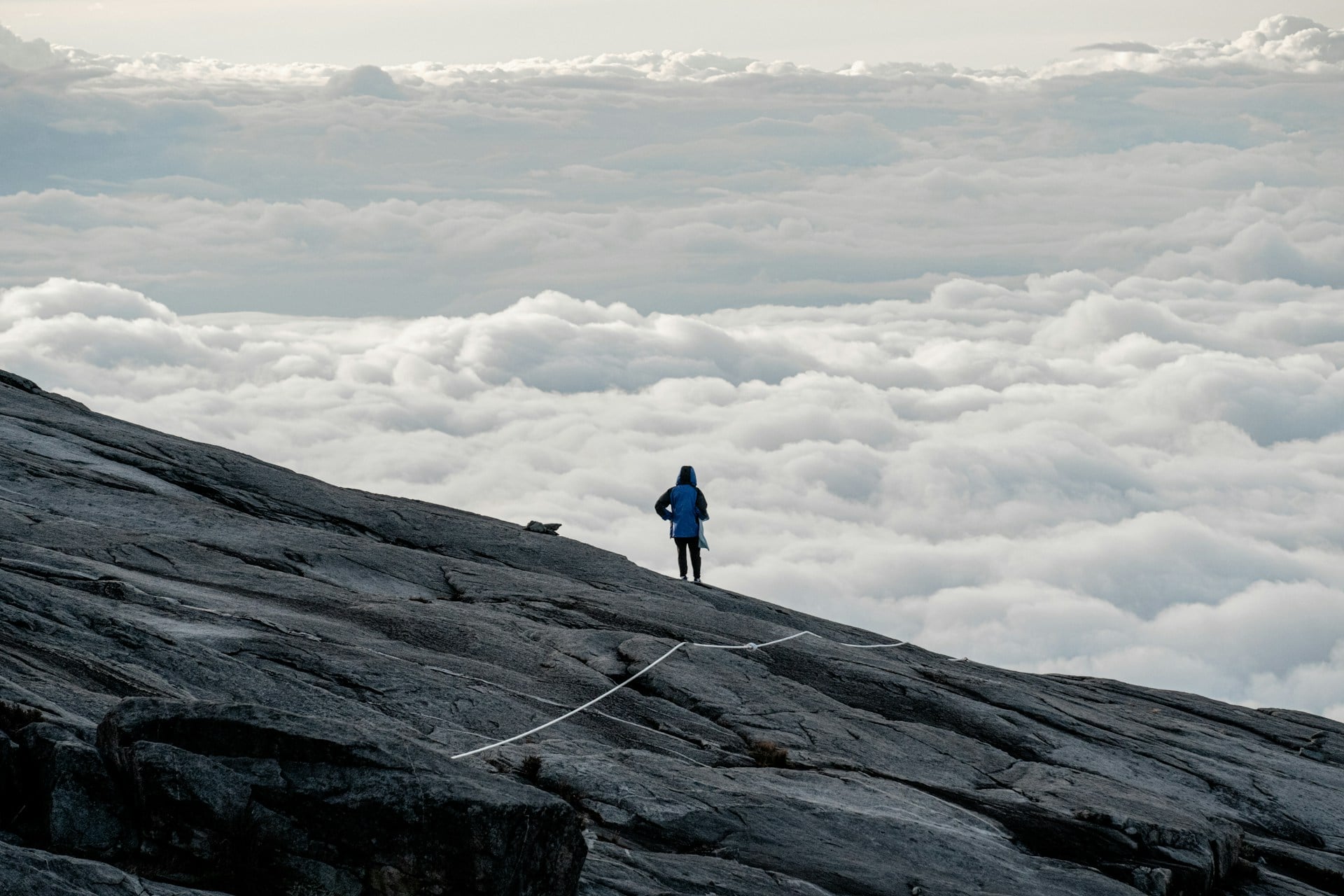
At Low’s Peak, the clouds stretch away below you. Ridgelines come up in gold and blue, and the sun rises into a sky that feels far larger than it should.
The strain of the climb is still in your body, but it stops running the show. What replaces it is a sudden sense of scale: how small you are, and how big everything else is. Some guests stop taking photos. Others stare and breathe slowly, as if a sound might break it.
It lasts a few minutes. Then the group starts down: back across the granite to Panalaban for breakfast, then the full 6 km descent to Timpohon Gate. Day two is usually eight to eleven hours on your feet in total, and the downhill stairs are where most people’s knees start complaining.
The Guides Who Know the Mountain
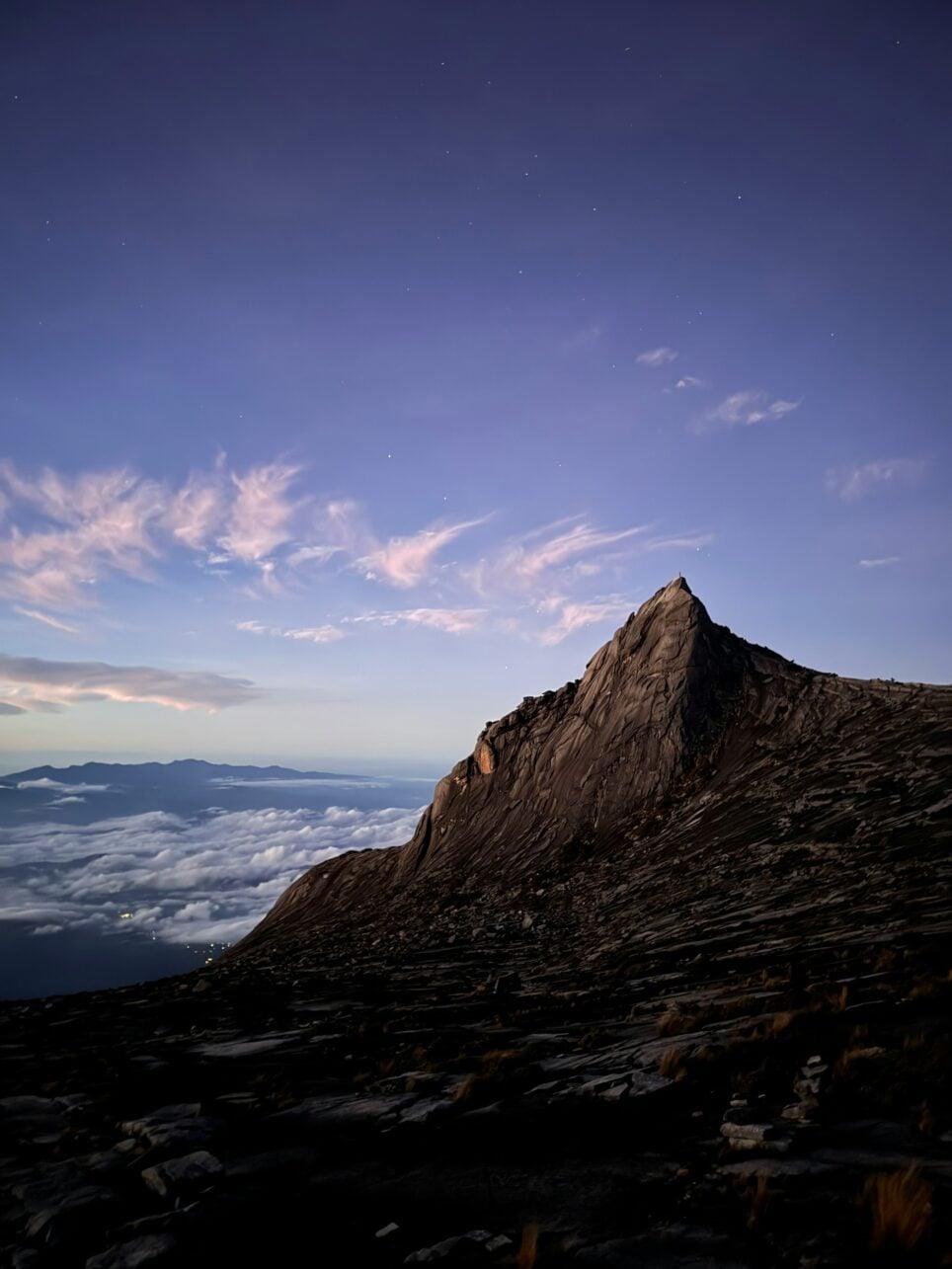
Every climber must walk with a licensed mountain guide from Sabah. Most have walked these trails for years and can read the weather and the stone underfoot. Many grew up in the villages around Kundasang and Ranau and started as porters, carrying supplies to Panalaban before training to lead climbers to the summit.
They check on guests, adjust the pace when someone is struggling, and share small, practical knowledge about a mountain they treat as both workplace and home. To the local Kadazan-Dusun communities, Kinabalu has long been a sacred mountain, and many guides carry that respect with them. On the dark ascent, their calm is what keeps a line of tired strangers moving.
What Surprises People on the Climb
The Weather Turns Quickly
A clear, calm trail can fill with cold mist within minutes. Visibility drops to a few meters, and the forest goes quiet and strange. Heavy rain can close the summit trail at Sayat-Sayat for the morning, so it’s worth knowing before you start that the mountain, not your itinerary, makes the final call.
The Altitude Hits Fit People Too
Some guests find the altitude and the steep granite sections harder than they planned for, even when they’re fit. Above 3,000 meters, the same effort feels heavier than it did at the bottom, and headaches or poor sleep at Panalaban are common. Most people still find the reward outweighs the cost.
The Summit Is Quieter Than You Think
People often expect a physical achievement and a loud celebration. What many get is stillness. Several guests have stood far longer than they intended, watching the light move across the landscape. They talk afterward about the silence before dawn, the encouragement passed between strangers, and how being that tired changed the way they saw the sunrise.
Two Climates in Two Days
The climb is often treated as a straightforward hike with a big payoff. It is more varied than that. In one journey you pass from humid tropical rainforest full of birdlife into a stark, alpine world of granite above the clouds, with Borneo spread out below in silence. That transition, as much as the summit, is why the trip stays with people.
Practical Information
Timing and pace. The climb takes two days and one night; one-day summit permits have not been issued since 2015. Day one runs from a morning start at Timpohon Gate to an afternoon arrival at Panalaban (4–7 hours, 6 km). Day two starts around 2 a.m. for the summit, followed by breakfast at Panalaban and the descent (8–11 hours in total). The full route is about 17.4 km return with over 2,200 meters of elevation gain each way. If you have more time in Sabah, plan a Kota Kinabalu day trip on either side of the climb.
Permits and booking. A Sabah Parks climbing permit is compulsory, and permits are only issued together with a confirmed bed at Panalaban. Daily numbers are capped (currently around 150 climbers a day), so book three to six months ahead, and further for weekends and school holidays. Most visitors book a package through a licensed operator that bundles the permit, guide, bed, and meals.
Getting there. Kinabalu Park headquarters sits on the Kota Kinabalu–Ranau road near Kundasang, about 90 km and two hours from Kota Kinabalu. Most climb packages include return transfers; long-distance buses toward Ranau also stop at the park entrance.
Costs. Package prices vary widely depending on the operator, the standard of room at Panalaban, and whether transfers and an extra night at the park are included. Ask each operator to list exactly what the price covers: permit, park entry, insurance, guide fee, accommodation, meals, and porter service.
What to bring
- Hiking shoes or boots with good grip for wet steps and granite
- A headlamp with spare batteries for the 2 a.m. start
- Warm layers, a windproof jacket, gloves, and a hat for summit temperatures near freezing
- A rain jacket and a dry bag for your daypack
- Sunglasses and sunscreen for the glare on the granite after sunrise
- Leech socks if you are climbing in the wetter months
- A camera, if you like, though you may end up putting it away
Spending Your Recovery Days in Kota Kinabalu
legs will need a day or two after the descent, and Kota Kinabalu’s coast and old town are the right speed for it: these two half-day trips from City MPV Travel & Tours keep the walking light and include hotel pickup.
Good to know
Both tours include hotel pickup in Kota Kinabalu and a meal.
Both run for roughly five hours, so you can fit either one into a rest day without an early alarm.
Neither involves serious walking. The catamaran trip suits tired legs best, since the water does most of the work.
On Fridays, the City Mosque can only be viewed from outside because of prayers.
The catamaran sails only when sea conditions allow, so avoid booking it on your last day in Sabah.
Kota Kinabalu City Cultural & Heritage Tour with Lunch
Price: from about US$62 per adult (checked October 2026)
Duration: about 5 hours, starting at 8:00 a.m.
Main facts: An English-speaking local driver-guide takes you by MPV to the Yayasan Sabah Tower, the Puh Toh Tze Buddhist temple, the City Mosque on its lagoon, Anjung Kinabalu market, Padang Merdeka, Gaya Street, and Australia Lane. Entry fees and a local lunch are included; gratuities are not.
Kota Kinabalu: Snorkel from Catamaran with Meal & Activities
Price: from about US$68 (AU$99) per adult (checked October 2026)
Duration: about 5.5 hours; choose a morning snorkeling session or a sunset session starting at 2:30 p.m.
Main facts: After hotel pickup and a roughly 30-minute transfer to Sutera Harbour Marina, you sail for about an hour toward Gaya Island, then snorkel straight off the boat and take turns on the kayaks and paddleboards. Lunch (morning) or dinner (sunset) is served on board; alcoholic drinks are extra. If the sunset session is your pick, you sail back past the city lights.
One honest limitation: The catamaran trip depends on the weather. Red-flag conditions mean rescheduling, a thunderstorm will send the boat back early, and once it has left the marina there are no refunds for weather.
This section contains partner links. If you book through them, we may earn a commission at no extra cost to you. We only feature partners whose services we believe add genuine value for travelers.
Want more time on the water? Read about island hopping in Tunku Abdul Rahman Marine Park or the Kota Kinabalu river cruise for proboscis monkeys and fireflies.
Frequently Asked Questions
How difficult is the Mount Kinabalu climb for beginners?
No technical skills are needed, but you do need solid fitness: the route gains more than 2,200 meters over 8.72 km, mostly on steps. Training on stairs or hills with a loaded daypack for six to eight weeks beforehand makes a real difference. People who struggle usually underestimate the descent, so train for downhill too.
How far in advance do I need to book a Mount Kinabalu climb?
Plan on three to six months, and longer if you want a weekend, a public holiday, or the drier months from roughly February to April. Because permits are only released with a bed at Panalaban, the bed is what sells out first. If your dates are fixed, book the climb before your flights.
Can children climb Mount Kinabalu?
Yes, and Sabah Parks charges a reduced permit fee for climbers under 18. Younger climbers must walk with a guide at a smaller guide-to-climber ratio, which raises the cost for families. The bigger question is stamina: a child who handles long, steep day hikes at home is a much safer bet than one who doesn’t.
What happens if I don’t reach Sayat-Sayat in time?
Rangers at the Sayat-Sayat checkpoint stop climbers who arrive after the morning cut-off, usually around 4:30–5:00 a.m., and also close the summit trail in heavy rain or high wind. There is no refund if you are turned back. Starting with the first groups at 2 a.m. and keeping a steady pace gives you the best chance.
Will I definitely see the sunrise above the clouds?
No one can promise it. Clear mornings are more common in the drier months, but cloud can roll in at any time of year. Even on a cloudy dawn, the view often opens up within an hour of sunrise, so it’s worth waiting at the top if your guide allows.
What food is there on the climb, and should I bring snacks?
Packages usually include a packed lunch on day one, a buffet dinner and pre-summit snack at Panalaban, and breakfast after the summit. Small kiosks along the trail sell drinks and snacks at mountain prices. Bring your own energy snacks for the 2 a.m. start, and save the Sabahan and Malaysian dishes for your first night back in Kota Kinabalu.