If you’ve done a big commercial winery tour in Tuscany, you probably remember the steel tanks, the quick pour, and the gift shop at the end. Our guests often tell us that’s exactly why they came looking for something else. On our Chianti wine tour from Florence, the day runs through three small, family-owned wineries in the Chianti Classico area, where the person pouring your glass is usually the person who made it.
At the second stop, the winemaker’s grandmother cooks lunch while the grandfather explains the land the vines grow on. This guide walks through how the day unfolds, what you’ll taste, and the practical details to plan around, from leaving Florence to what happens when it rains.
In this article:
- Why We Only Work With Small Wineries
- How the Day Unfolds
- Watching the Wine Get Made
- What You Carry Home
- Beyond the Tasting Day
- Practical Information
- Frequently Asked Questions
- How far is Chianti Classico from Florence?
- Can you taste white wine on a Chianti winery tour?
- How much wine will I drink on a full-day Chianti tour?
- Can I combine a Chianti winery visit with truffle hunting?
- What happens if it rains on a Chianti wine tour?
- Is a small-group Chianti tour good for solo travelers and families?
Join the Day: Full-Day Chianti Tour With a Local Sommelier
This is the day described in this guide, run by Your Vino from Florence. A sommelier guides a small group through three family-owned organic wineries in Chianti Classico, with tastings at each one and a traditional Tuscan lunch at the second.
Good to know
About 8 hours, leaving Florence at 10:00 AM and back around 5:30 PM
€210 per adult and €165 per child up to 16, checked October 2026
Small group of up to 8 in an air-conditioned van
At least four wines at each winery, lunch with wine pairings, and vegetarian options on request
Suits couples, friends, families and solo travelers
Pickup from your accommodation in Florence costs €80 extra and is on request
Check dates and prices for the Chianti tour →
This section contains partner links. If you book through them, we may earn a commission at no extra cost to you. We only feature partners whose services we believe add genuine value for travelers.
Why We Only Work With Small Wineries
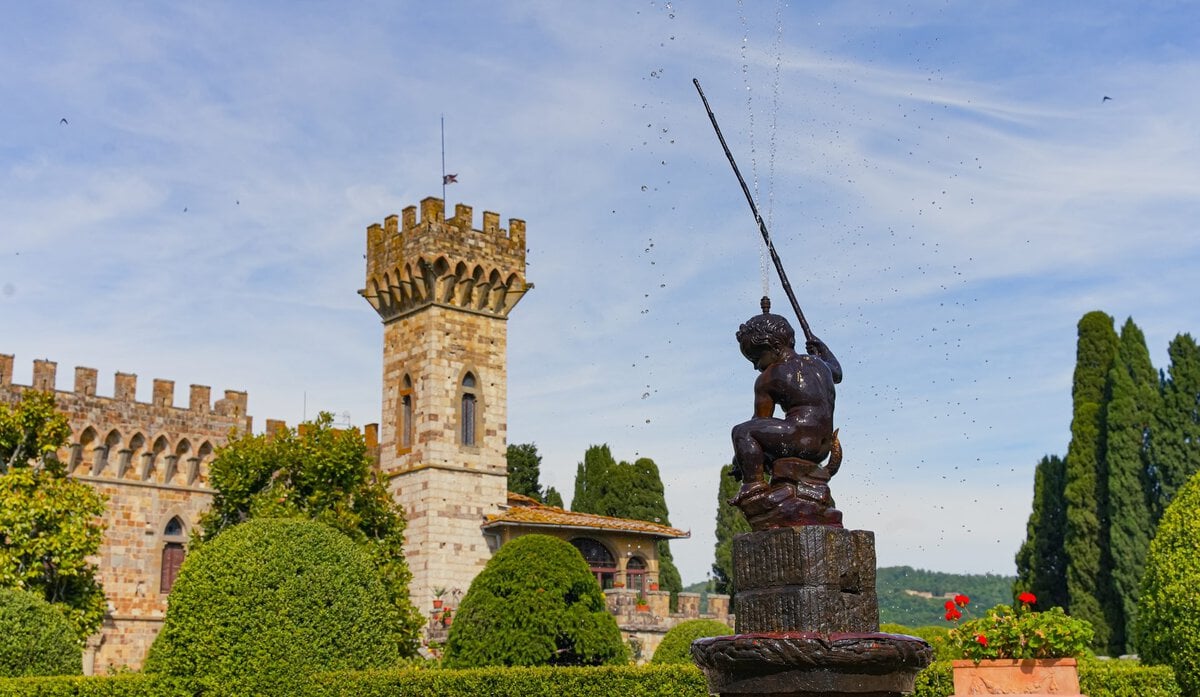
The big estates are easy to find, and plenty of guides send you straight to them. We choose small wineries on purpose. At a family winery, the person pouring your glass is usually the person who made it.
That changes the conversation. Ask why a wine tastes the way it does, and the answer comes from someone who was there for the pruning, the harvest, and the fermentation. Each visit also feels different from the last, since every family works its own way. All three producers on our standard day farm organically.
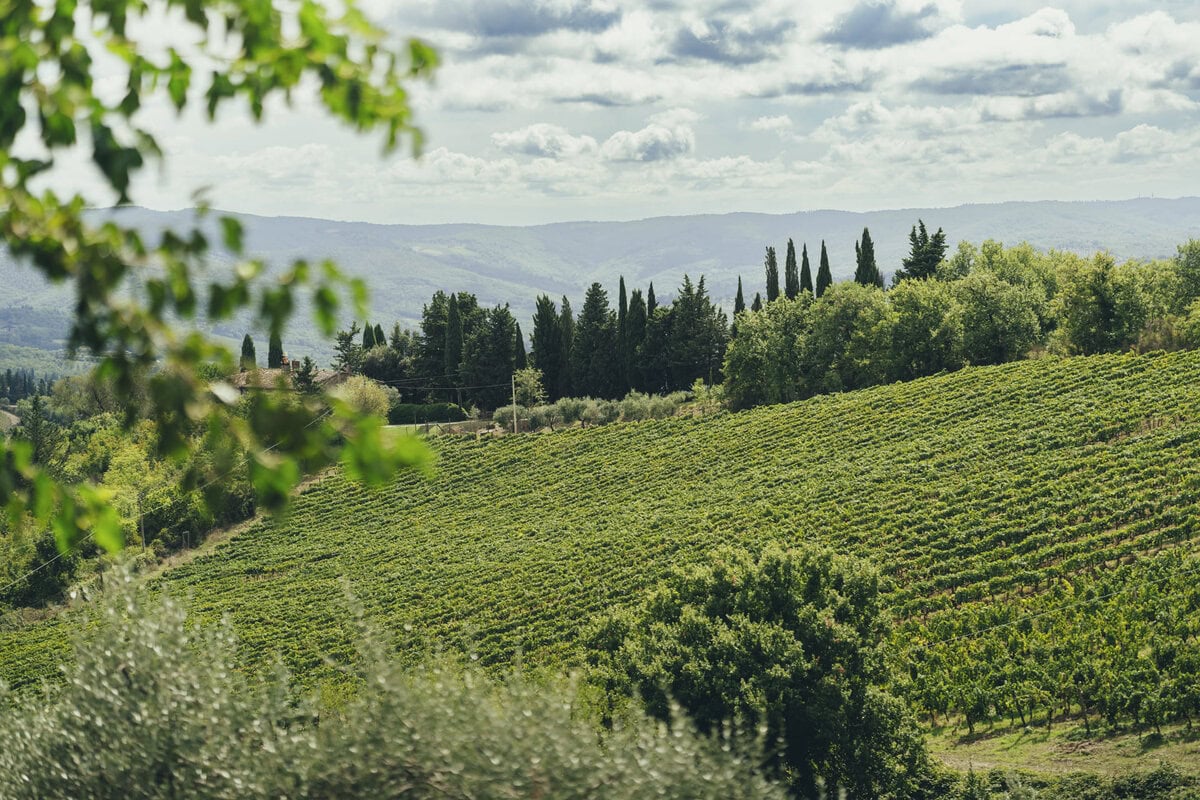
Chianti Classico is a defined zone between Florence and Siena, with roughly 7,000 hectares of vineyard registered for the wine. That’s small enough to cover real differences in soil and altitude in one day, and personal enough that the families behind the labels still answer the door.
How the Day Unfolds
The rhythm is simple: three wineries, with lunch at the second. The day runs from 10:00 AM to about 5:30 PM, and you’re never in a group larger than eight.
Meeting your sommelier. At the meeting point in central Florence, two things are waiting: your guide and our small van. Every one of our tours is led by a sommelier or wine expert, and that person stays with you all day, explaining what’s in your glass and answering questions as they come up.
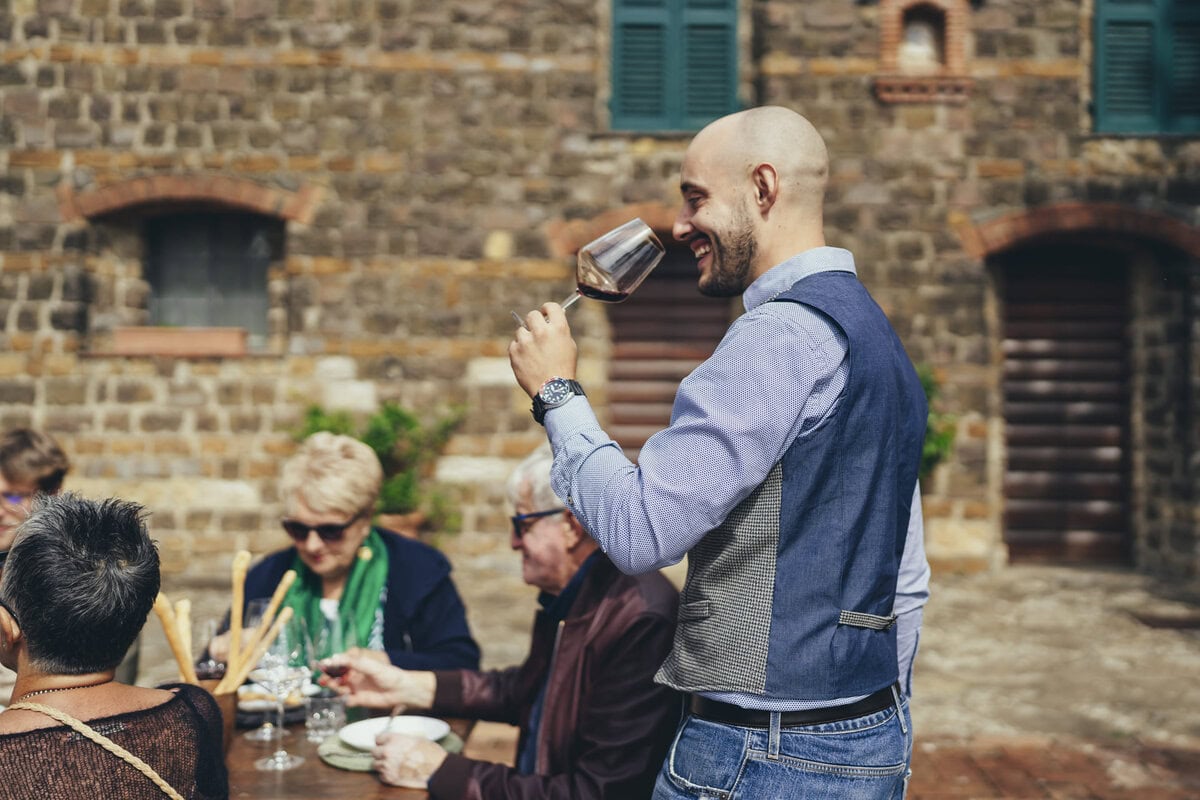
The first winery. Once you’re up in the hills, the sounds change. You hear birds, a tractor somewhere below, people talking across a courtyard, and the air smells of cut grass and damp stone. At the first winery, you meet the producer, taste their wines, and hear directly from them how each one is made. For many guests, it’s the first time a winemaker has walked them through a glass.
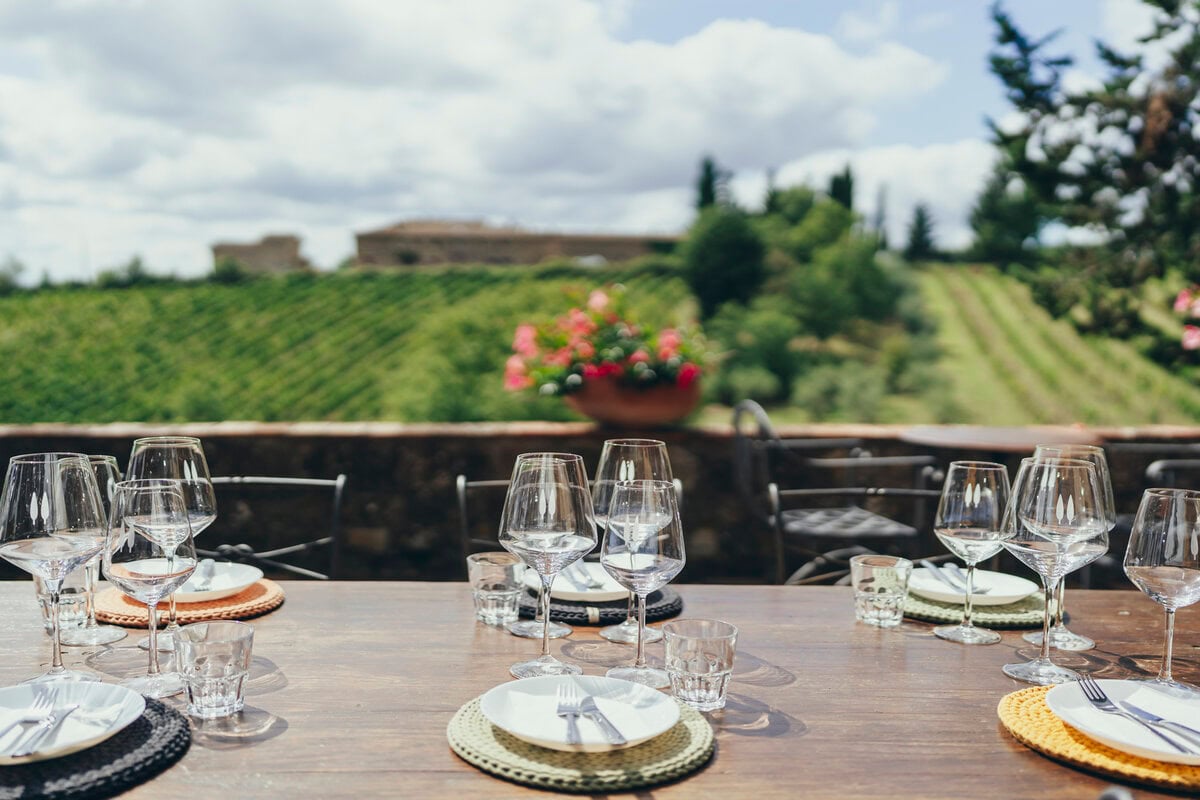
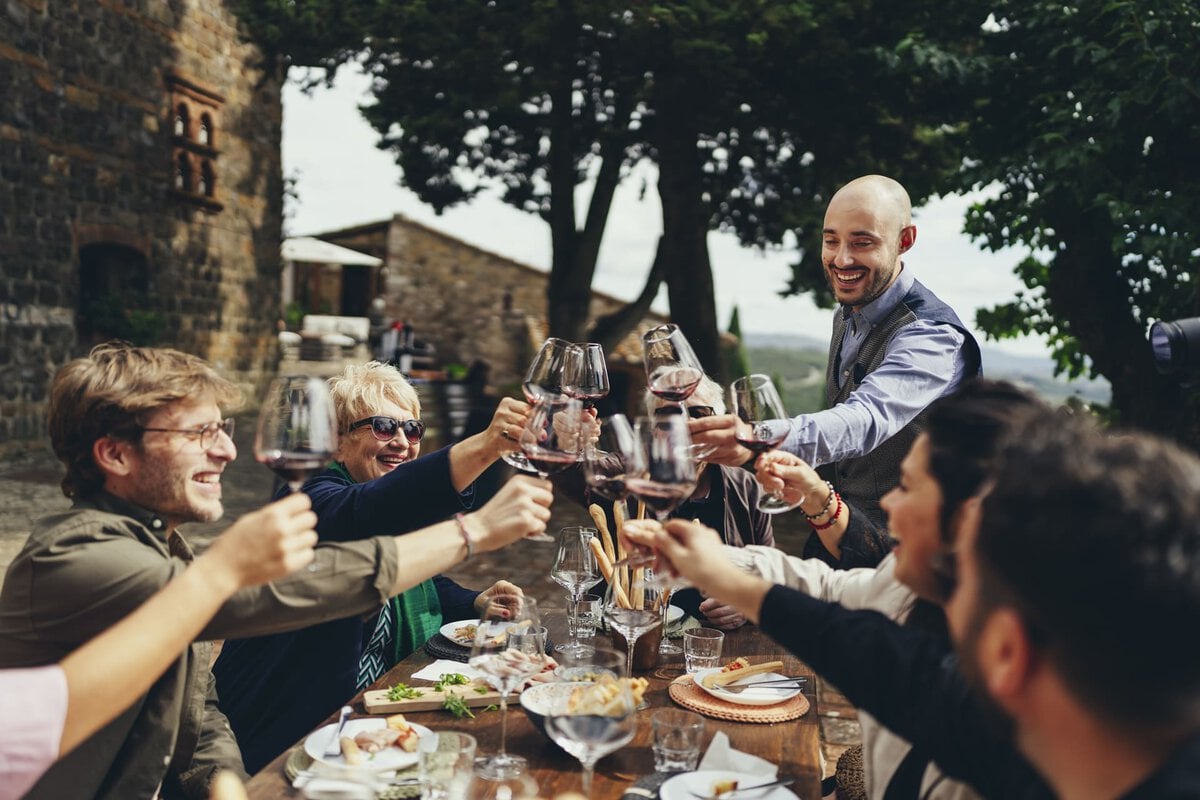
Lunch at the family table. The second winery is where most guests say the day becomes personal. You meet the whole family behind the wine, grandparents included. The grandmother cooks lunch. The grandfather talks about the territory: the land the family works and what it gives their wine. It’s a meal at someone’s own table, with the vines that made your glass a few steps outside.
The third winery. The day ends with a third small producer and another guided tasting. By now you’ve tasted enough side by side to notice differences you’d have missed that morning, and your sommelier helps you put words to them.
Watching the Wine Get Made
Something guests don’t expect: at these wineries, you can usually see people working on the wine. Small producers don’t stage the process for visitors. If there’s work to be done in the cellar or the vineyard that day, it happens while you’re there.
That’s one of the clearest differences from a commercial tour. You see the people and the daily work that go into the bottle, and the tasting afterward means more for it. Come during the harvest, usually September into October, and that work may be grapes arriving at the cellar door.
What You Carry Home
In my experience guiding visitors, the part that lasts longest is what people learn. Over a day with a sommelier and three producers, you pick up habits you’ll use long after Tuscany: how to taste with intention, what to look for in the glass, and what to ask the next time you choose a bottle.
One you can use right away: look for the black rooster on the label. It marks Chianti Classico, which must be at least 80 percent Sangiovese and comes only from the historic zone, not the wider Chianti area. And you’ll learn the word you hear at every table: salute, which means cheers.
Beyond the Tasting Day
The winery day is our core experience, but there are other ways to spend time here. Private tours suit couples or anyone who wants the day shaped around their own interests. We also run truffle hunting outings that finish in San Gimignano, for guests who want more of Tuscany alongside the wine. If you’d rather cover the vineyards under your own power, biking through the vineyards of Chianti is another way in.
Practical Information
When to go. The tour runs year-round. Much of the day is spent outdoors, between vineyards, courtyards, and cellars, so the weather shapes the experience. Spring and autumn are usually the most comfortable, and summer afternoons in the hills can be hot. The harvest, usually September into October, is the busiest time in the cellars.
Getting there. The day starts at a central meeting point in Florence, and the van handles every leg between wineries, so nobody in your group has to drive on a day built around tasting. You return to the Sant’Ambrogio area around 5:30 PM. Pickup from your accommodation is available on request for an extra fee. Still choosing a base? Our guide to budget hotels in Florence covers central options.
Effort and pace. Physical effort is low. Walking is limited to short stretches between the van, cellars, and the table, and much of lunch is seated. The bigger demand is the wine: at least four pours at each of three wineries adds up to around 12 glasses across eight hours.
Costs. Beyond the tour, budget for any bottles you want to take home, since small producers sell directly at the winery. If you’re flying, check your airline’s checked-bag rules before buying several bottles, and ask the winery whether it ships.
What to bring. Dress for the day’s weather, with flat shoes for gravel courtyards and uneven cellar floors. Bring a light layer, since cellars stay cool even in summer, an appetite for lunch, and the questions you’ve always wanted to ask a winemaker. For more on eating well in the country, see our where to eat and drink in Italy tips.
Related read: Things To Do in Monte Amiata in Tuscany
Frequently Asked Questions
How far is Chianti Classico from Florence?
The northern edge of the Chianti Classico zone starts just south of Florence’s outskirts. Greve in Chianti, the area’s main market town, is roughly 30 km away, about 40 minutes by road on the SR222 Chiantigiana. A full-day tour leaves time for three wineries without long stretches in the van.
Can you taste white wine on a Chianti winery tour?
Yes, though it won’t be labeled Chianti Classico. Since the 2006 vintage, Chianti Classico has not allowed white grapes, and it must be at least 80 percent Sangiovese. Whites made in the area are sold under other names, usually Toscana IGT, and many producers also make Vin Santo, a sweet wine from dried white grapes.
How much wine will I drink on a full-day Chianti tour?
Expect at least four tasting pours at each of the three wineries, around 12 glasses across eight hours, spread around a full lunch. You can skip or leave any glass, and it helps to ask for water at every stop.
Can I combine a Chianti winery visit with truffle hunting?
Yes, as a separate day. Our truffle outing pairs a truffle hunt with a truffle lunch and local wines, then finishes with a walk through San Gimignano in the afternoon. Book it as its own experience rather than an add-on to the three-winery tour.
What happens if it rains on a Chianti wine tour?
The tour still runs. Tastings move indoors into cellars and tasting rooms, and time outside gets shorter. Pack a compact umbrella and shoes that can handle a wet courtyard.
Is a small-group Chianti tour good for solo travelers and families?
Solo travelers fit in easily: the group is capped at eight, and lunch is at a shared family table, so conversation comes naturally. Children are welcome too, and the family lunch suits them. Ask in advance what non-alcoholic options the wineries offer younger guests.