Travel to Japan

The Shinkansen pulls out of Tokyo Station exactly on time. A little over two hours later, you step off in Kyoto. This kind of precision is part of what makes Japan appealing. The other half is the unexpected: a shrine festival you stumble upon, an izakaya with eight seats down a side street, or steam rising off an outdoor onsen in the snow.

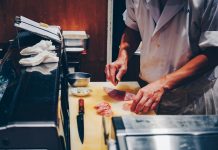
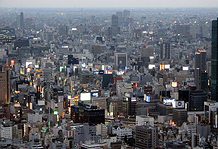
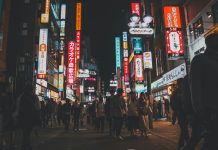
Most trips begin in Tokyo. Start with Senso-ji in Asakusa, followed by the calm of Meiji Jingu next to Yoyogi Park. Then, visit Shibuya and Shinjuku after dark and enjoy the sushi counters and the many free activities available in one of the world’s largest cities.

Kyoto and Osaka are only a short train ride apart, yet they feel like different countries. Kyoto has temples, the geisha district of Gion, and quiet neighborhoods where you can live like a local. Osaka is loud, friendly, and obsessed with food, from tonkatsu to department store food halls.

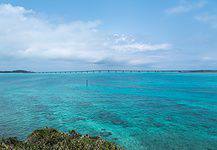
Beyond the big cities, Hokkaido offers powder snow, summer road trips, and autumn hiking. Okinawa and Ishigaki offer subtropical beaches and a unique culinary scene. Kyushu has hot spring towns like Beppu and Fukuoka’s famous tonkotsu ramen. In between are Hiroshima, the temple lodgings on Mount Koya, and the old post road from Magome to Tsumago.

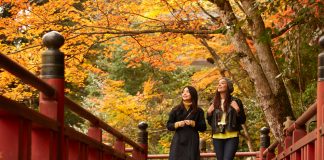
Japan is easy to get around by train, but make sure a JR Pass is worth it for your route before buying one. Learn some basic etiquette, especially for onsen and shrines. The most beautiful times to visit are cherry blossom season in spring and the autumn leaves, but these are also the busiest times.

Our travel tips below are sorted by place and by what you want to do: Tokyo, Kyoto, Osaka, Hokkaido, Okinawa, Kyushu, Things to Do and See, Food and Drinks, Culture, Outdoor and Nature, Nightlife, Where to Stay, Transport and General Travel Tips.

Take a look at our Japan subpages

Culture in Japan

Japanese culture for travellers: etiquette, praying at a Shinto shrine, geisha in Gion, temples from Sensoji to Koyasan, Gokayama's historic village, a kendo dojo and the famous high-tech toilets.

Food and Drinks in Japan

Eating and drinking in Japan: the most popular dishes, street food, restaurant etiquette, sushi in Tokyo, the top tables in Osaka, Fukuoka ramen, Okinawan food, vegetarian travel and supermarkets.

General Travel Tips for Japan

Before you go to Japan: etiquette and useful phrases, visas, internet access, costs, travelling with kids or as a vegetarian, winter travel, itineraries for Hokkaido and Kyushu, and budget tips.

Hokkaido

Hokkaido travel tips: a summer itinerary, autumn hiking, cycling and canoeing, powder skiing for beginners, the joy of driving, Kamikawa in the centre of the island and what to see around Chitose.

Kyoto

Kyoto travel tips: the sights not to miss, a complete travel guide, where to stay to live like a local, geisha and maiko in Gion, and how to combine Kyoto with a trip to Tokyo.

Kyushu

Kyushu travel tips: a road trip around the island, a short itinerary for a first visit, and where to find the best tonkotsu ramen in Fukuoka.

Nightlife in Japan

Nightlife in Japan: Shibuya and Shinjuku after dark, how to drink in Tokyo every night on a budget, an alternative guide to Osaka, plus nights out in Kyushu and Kanagawa.

Okinawa

Okinawa travel tips: the best things to do on the main island, the Okinawan food you should try, and Ishigaki, the southernmost island of the Okinawa chain.

Osaka

Osaka travel tips: ten restaurants worth the trip, a pork chop spot downtown, the Hankyu department store, an alternative guide to the city, a day in Osaka and the best day trips from it.

Outdoor and Nature in Japan

Japan's outdoors: Mount Fuji in or out of season, autumn leaves, hiking, cycling and canoeing in Hokkaido, beginner-friendly powder skiing, Kamikawa and the best of Okinawa's main island.

Things to Do and See in Japan

What to do in Japan: unmissable experiences, cherry blossoms and autumn leaves, onsen etiquette, Mount Fuji in or out of season, historic Gokayama, a Hiroshima Carp game and day trips from Osaka.

Tokyo

Tokyo travel tips: from Narita into the city and around by subway, sushi and food experiences, Shibuya nightlife, Sensoji and Meiji Jingu, a kendo dojo, a capsule hotel and free things to do.

Transport in Japan

Getting around Japan: the railway system and JR Pass, riding the Shinkansen, Narita to central Tokyo, the Tokyo subway, car rental, driving in Hokkaido and travelling with kids.

Where to Stay in Japan

Where to stay in Japan: the best neighbourhoods in Kyoto to live like a local, a night in a Tokyo capsule hotel, onsen ryokan in Kyushu and stays in Hokkaido and Kanagawa.

Visa Requirements for Japan

Citizens of 74 countries and regions, including the EU, the UK, the USA, Canada, Australia and New Zealand, can visit Japan without a visa for short stays of up to 90 days. All other visitors require a visa, which must be obtained before departure from a Japanese embassy or consulate. Several nationalities can now apply online via the Japan eVISA system.

Please check the current entry requirements for your passport on the website of the Japanese Ministry of Foreign Affairs. If you are planning to stay longer, to work or to study, you will require the relevant visa or residence status.

You should carry your passport with you at all times. Foreign visitors are legally required to carry it with them at all times, and it is also required for hotel check-in and tax-free shopping.

Planning several trips? Here’s how the multi-entry visa works.

Important Cultural Information

Japanese etiquette can feel complex, and most locals don’t expect visitors to know every rule. A few basics go a long way, though, and some rules are taken seriously.

However, there are some rules, that if broken, will not be widely tolerated. 

  • You should never step on to a tatami mat with shoes. Japanese abodes will have a ‘genkan’ or a transitional area, where it is usual to take off your shoes.
  • Never leave chopsticks facing upwards in a bowl as this is how rice is offered to the dead.
  • Wash and rinse your whole body before getting into an onsen or public bath.
  • It is not usual to physically contact someone in public.
  • Hugging and kissing in public are frowned upon in Japanese culture.
  • The Japanese bow their heads in greeting. Japanese men will bow with their hands to their sides. Women will bow with their hands held together at the chest.
  • When handing something over to someone it is customary to use both hands when handing it over.
  • The elderly are accorded special respect in Japan.
  • Rinse your hands and mouth at the water basin before visiting a Shinto shrine or Buddhist temple.
  • Don’t eat while walking in busy streets, and keep your voice down on trains.

Cultural tips for Japan

Mount Fiji with the shibazakura flowers, Japan

Unmissable Japanese Experiences

Five Japanese experiences for your trip: pink shibazakura below Mt Fuji, a ryokan night with an onsen, Harajuku's Takeshita Dori, temple tea and street food.
Tokyo, Japan

Top Travel Tips for Tokyo and Kyoto

Travel tips for Tokyo and Kyoto from a return trip after 22 years: Asakusa, Shibuya, shrine etiquette, yakiniku, kimono rental and Fushimi Inari at night.
- Category – Japan

Japan’s Boob Temple

Japan's boob temple, Mamma Kannon in Komaki, Aichi, is lined with breast statues and hundreds of ema prayer tablets. Here's what to expect when you visit.
- Category – Japan

Operating Guidelines for Using a Japanese High-tech Toilet

A first encounter with the Japanese toilet in a hotel: heated seat, washing and drying functions, music to mask sounds and a panel full of mystery buttons.
- Category – Japan

Geisha and Maiko in Gion

Hoping to see geisha and maiko in Gion? What it's really like on Kyoto's streets, why respect matters, and how to watch without crowding or chasing anyone.
Japanese etiquette - always sit down when you're eating.

Japanese Etiquette: How to Act Like You’re Japanese

Japanese etiquette made simple: where to eat, what to say before and after meals, chopstick rules, topping up drinks and the one word that works anywhere.

Banking & Money

Japan’s currency is the yen (¥). Coins come in denominations of 1, 5, 10, 50, 100, and 500 yen. Notes come in denominations of 1,000, 5,000, and 10,000 yen. New banknote designs entered circulation in July 2024, and older notes remain valid.

Japan used to be a cash-only country. That has changed considerably. Now, credit cards, Apple Pay, Google Pay, and IC cards, such as Suica or ICOCA, are accepted in most hotels, chain restaurants, department stores, convenience stores, and train stations. However, small family restaurants, market stalls, temples, and rural shops often still only accept cash, so it’s always a good idea to carry some yen.

Most Japanese bank ATMs don’t accept foreign cards. The ones that do are 7-Eleven ATMs (Seven Bank, open 24 hours), Japan Post Bank ATMs located in post offices, and AEON ATMs. All have an English menu. Withdrawal limits vary by ATM and by card, and your home bank may charge its own fee.

Medical Emergency Information

Japanese hospitals provide excellent care, but outside the big cities, not every doctor or nurse speaks English. Treatment is expensive without insurance, so make sure your travel insurance covers medical costs in Japan.

The Japan National Tourism Organization (JNTO) has an online tool that allows you to search for hospitals and clinics with English-speaking staff. Many pharmacies sell common medicines without a prescription.

  • For ambulances and fire, call 119. Ambulances are free, but you pay the hospital.
  • For police, call 110.
  • For the Japan Visitor Hotline (JNTO), which is available 24 hours a day in English, Chinese, and Korean, call 050-3816-2787 or +81-50-3816-2787 from abroad.

If you’re looking for travel insurance, we are an affiliate of SafetyWing, a travel medical insurance provider.

Wi-Fi and Internet in Japan

Japan’s 3G networks have now been switched off, so you need a phone that supports 4G or 5G. Most phones from the last few years work fine.

The easiest option is an eSIM. You buy it online before the trip and activate it when you land. Here are our tips about getting an eSIM before your next trip.
Prepaid data SIM cards are sold at the airports and in electronics stores like Bic Camera and Yodobashi Camera. Pocket Wi-Fi routers, which you pick up at the airport or have delivered to your hotel, are handy if you travel as a group or need to connect a laptop.

Free Wi-Fi exists in airports, many train stations, Starbucks and some convenience stores, but coverage is patchy. Don’t rely on it for maps and train times. Use a VPN on public hotspots. Make sure to use a VPN when traveling and using Wi-Fi hotspots, like ExpressVPN.

The country code for Japan is +81.

Exploring Japan - Navigate Internet Access

Navigating Internet Access in Japan: A Traveler’s Guide

Free WiFi is rare, so plan your internet access in Japan before you land. We compare pocket WiFi, local SIM cards and eSIMs, with the pros and cons of each.
A hassle-free travel experience.

The Benefits of an eSIM Card When Traveling

Stay connected with an eSIM card and enjoy a hassle-free travel experience! Here we list the benefits.

Arrival in Japan

Most international flights arrive in Tokyo at Narita Airport (NRT), about an hour from the city by train, or at Haneda Airport (HND), only 20 to 30 minutes from central Tokyo. In western Japan, Kansai International Airport (KIX) serves Osaka and Kyoto. Other international airports include Chubu Centrair (NGO) near Nagoya, Fukuoka (FUK), New Chitose (CTS) near Sapporo and Naha (OKA) in Okinawa.

Japan Airlines (JAL) and All Nippon Airways (ANA) fly from all major hubs, and low-cost carriers like Peach and Zipair connect Japan with the rest of Asia and beyond.

You can also arrive by sea. Ferries run from Busan in South Korea to Fukuoka and Shimonoseki, and from Shanghai to Osaka and Kobe.

Search for flights to Japan on Expedia or 12Go for flights in Japan (can also be used to search for trains, buses and ferries traveling to and around Japan).

Areas of Japan

From south to north, the regions of Japan can be broadly classified in to the following:

Okinawa

The southernmost tip of Japan formed part of an independent kingdom until it was annexed by Japan in 1879. As a result, Okinawa has a rather unique, indigenous culture.

Kyushu

Kyushu is the southernmost of the four main islands, with a warm climate and a typhoon season in late summer. Its largest cities are Fukuoka and Kitakyushu, and it’s also home to Nagasaki, the port city bombed at the end of the Second World War.

Shikoku

Shikoku is the smallest island of Japan’s ‘Big Four’. It is a region that promises good trekking opportunities- the hilly terrain, turbulent waters of the Yoshino River and an abundance of citrus crop and vegetables- make this a nature lover’s haven.

Chugoku

The Chugoku region forms the westernmost part of Honshu island and is home to three UNESCO World Heritage sites in Japan. These include the memorial site of Hiroshima, the Iwami Ginzan Silver Mine and Itsukushima Shrine on Miyajima, with its famous floating torii gate.

Kansai

Kansai, also known as ‘Kinki’, meaning ‘near the capital’, refers to Kansai’s proximity to the ancient capital of Nara and Kyoto. Today it is home to the three big Japanese cities of Osaka, Kyoto and Kobe. Kansai lies in the western part of Honshu.

Chubu

Chubu is the central part of Honshu, a border between East and West Japan, with lofty mountains like Mount Fuji and the Japanese Alps. Its cities are the historic city of Kanazawa, the port city of Niigata, Hida-Takayama, Nagoya (here’s a great day trip from Nagoya) and others.

Kanto

Honshu’s eastern, coastal region and home to the cities of Tokyo and Yokohama- Japan’s largest and second largest cities respectively.

Tohoku

The north-east part of Honshu, home to Miyako, Hirosaki, Sendai and Yamagata.

Hokkaido

Hokkaido is the northernmost and coldest of Japan’s main islands, famous for powder snow in winter and cool, green summers.

Transportation in Japan

Japan is renowned for its efficient and modern transportation networks- both by rail and the subway. Public transportation, although crowded, runs efficiently and is clean.

Travel is expensive so do enquire about affordable travel passes for foreign visitors.

Japanese rail has a number of overlapping networks that may seem confusing. Trains arrive and leave on time. The Japan Rail group also run the Shinkansen lines. You may find it useful to get hold of a Shinkansen timetable.  

The Japan Rail Pass gives unlimited travel on JR trains, including most Shinkansen, for 7, 14 or 21 days. Since the big price rise in October 2023 it costs ¥50,000 for 7 days (ordinary class), and the fastest Nozomi and Mizuho trains need an extra supplement ticket. Check the fares for your route first. For a simple Tokyo, Kyoto and Osaka trip, single tickets are often cheaper. Regional passes, such as the JR Hokkaido or JR Kyushu passes, can be better value.

For city travel, get an IC card like Suica, PASMO or ICOCA, or add one to your phone. You tap in and out on trains, subways and buses, and you can pay in convenience stores too.

Domestic flights are a good option for Hokkaido, Okinawa and Kyushu. Overnight highway buses, such as JR Highway Bus or Willer Express, are the budget way between Tokyo, Kyoto and Osaka. Ferries link the main islands and the smaller islands of Okinawa and the Seto Inland Sea.

To rent a car you need an International Driving Permit under the 1949 Geneva Convention. Licence holders from Germany, Switzerland, France, Belgium, Monaco and Taiwan need an official Japanese translation from JAF instead.

Taxis are clean and safe. Ride-hailing apps like GO and Uber work in the big cities.


Powered by 12Go Asia system

Accommodation in Japan

Japan has every kind of stay: minimalist capsule hotels, business hotels, international chains, traditional ryokan inns and budget guesthouses.

Hotels are required to see the passport of every foreign guest at check-in, so keep it at hand.

Business hotel chains like Toyoko Inn, APA, Dormy Inn and Super Hotel are clean, compact and good value. Japanese luxury brands include Okura, New Otani and the Prince hotels.

For a more traditional experience, stay at least one night in a ryokan. You sleep on futons on tatami floors, wear a yukata and usually get a multi-course dinner and breakfast, often with an onsen bath included. A minshuku is the simpler, family-run version, often in the countryside. Temple lodgings (shukubo), like those on Mount Koya, are another special experience.

Government run guest houses, hostels and even camping in campsites in rural areas, are other options.

Prices rise sharply during cherry blossom season, Golden Week (late April to early May), Obon in mid-August and New Year, so book early for those dates. Several cities, including Tokyo, Osaka and Kyoto, charge a small accommodation tax per person and night.

Where to stay in Japan

- Category – Japan

The Ultimate Road Trip Guide to Exploring the Kyushu Island, Japan

A one-week road trip around Kyushu Island from Oita to Fukuoka: Beppu's hells and sand baths, Yufuin, Mount Aso, Kumamoto Castle and Fukuoka's yatai stalls.
The source at the Daisetsuzan Gensui Park. ©Hendrik-Morkel

Exploring Kamikawa: Adventures in the Center of Hokkaido

Hike Daisetsuzan National Park, soak in a Sounkyo onsen, cycle to Higashikawa and eat your way through Asahikawa. Our route through central Hokkaido.
- Category – Japan

Exploring Around the Kanagawa Prefecture, Japan

Things to do in Kanagawa Prefecture: Yokohama's ramen and Cupnoodles museums, the Hakone loop with Owakudani and Lake Ashi, and Kamakura's shrines.
Where to stay in Kyoto

The Best Places to Stay in Kyoto to Live Like a Local

The best places to stay in Kyoto for a local feel: restored machiya and family houses in Gion, Higashiyama and Gojo, sorted by style, budget and group size.
Your luxury capsule at the Y's cabin hotel in Yokohama.

Encapsulated In Tokyo – A Night At The Capsule Hotel

What a night in a capsule hotel is really like: buying a ticket from a vending machine, a 4ft wide pod with TV and alarm clock, lockers and a ladies' floor.
Booking.com

Food & Dining Guide for Japan

Japanese food has taken the world by storm and many Japanese dishes have become part of the global gastronomic vocabulary.

Food varies from region to region, dependent on what is abundant and readily available. The main staple of the Japanese diet is white rice and a preference for fresh local ingredients has influenced the palate. Seafood is a ubiquitous, key ingredient. Soybeans serve as a source of protein and pickles complete a meal at any given time.

In Hokkaido try the crab and fresh sashimi. Osaka is famed for takoyaki (octopus balls), pork chops, okonomiyaki and kushikatsu skewers. Some popular Japanese dishes include curry rice, donburi (rice bowl), katsudon (pork cutlet with egg), gyudon and more. Some noodle based dishes use Chinese egg noodles or ramen, buckwheat soba or wheat udon.

Of course, no trip to Japan is complete without sampling the sushi and sashimi. For fried delights don’t skip on the tempura (deep fried, battered fish or veg), teppanyaki (meat and seafood grilled on an iron plate) or yakitori (grilled chicken skewers). Some comfort, cold weather dishes include shabu-shabu- a hotpot of thin slices of meat, fish, veg and broth, softly simmering at your table.

Delicious Japanese desserts include mochi, daifuku, dango, anmitsu and namagashi among others.

Eat like a local in Hiroshima and Okinawa.

Where to eat & drink in Japan

Kamaboko (fish cakes) in Japanese grocery stores

Supermarkets in Japan: Common Items Explained

Confused in supermarkets in Japan? Here are 8 everyday items explained, from mentaiko and shirasu to daikon, kamaboko, mochi and konnyaku, and how to eat them.
Best ramen shops in Fukuoka, Japan

Where to Find the Best Tonkotsu Ramen in Fukuoka

Where to eat tonkotsu ramen in Fukuoka: four shops in Tenjin, Daimyo and Gion, from a decades-old Hakata classic to a clear pork bone broth, with access tips.
Tokyo Treat - Japanese sweets from the surprise box.

Try These Japanese Sweets Surprise Boxes

We unboxed TokyoTreat and Sakuraco to see which brings Japanese sweets home best: KitKat flavors, truffle chips, wagashi, tea pairings and what we loved.
The source at the Daisetsuzan Gensui Park. ©Hendrik-Morkel

Exploring Kamikawa: Adventures in the Center of Hokkaido

Hike Daisetsuzan National Park, soak in a Sounkyo onsen, cycle to Higashikawa and eat your way through Asahikawa. Our route through central Hokkaido.
- Category – Japan

Complete Kyoto Travel Guide

A practical Kyoto travel guide: Haruka train from Kansai Airport, the subway and bus day pass, kaiseki and Nishiki Market, top temples and when to visit.
Grilled fish in restaurant in Japan

Japanese Pork Chop in Downtown Osaka

Where to eat tonkatsu in Osaka: katsu curry at New Daruni in Nipponbashi, Tonkatsu Daiki in Higashi-Shinsaibashi and Kirishima pork at Tazumura in Umeda.

Japan’s Attractions

There are a number of things to do in Japan that should be part of your Japan holidays. You might want to avail the help of a Japan trip planner or plan your own trip according to interest.

Of course there are a number of places to visit in Tokyo and you should also plan a Kyoto tour or as a good alternative visit the Kanagawa region. There are also enough free things to do in Tokyo if you know where to look.

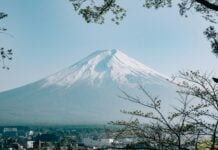
The iconic image of mighty, snow capped Mount Fuji, Japan’s highest mountain is visible from Tokyo on a clear day and located west of Tokyo on the island of Honshu. Mount Fuji can be viewed from the mountains, the lakes or even a cable car!

If you would like to view more mountains, head for the Japanese Alps- a ridge of mountains running down the spine of the island of Honshu. Takayama is a small, beautifully preserved town in the Japanese Alps.

Many tourists visit the island of Miyajima, near Hiroshima, to visit the iconic floating torii, the gateway to the Itsukushima Shrine. Since October 2023, visitors pay a ¥100 Miyajima visitor tax, usually collected with the ferry ticket.

Kanazawa is a less touristy but old city of Japan, steeped in quietude and history and is one of the best cities to visit in Japan.

Don’t miss the Higashi Chaya geisha district, with its preserved wooden teahouses.

Nikko is a temple town and UNESCO World Heritage Site in the mountains north of Tokyo. Its highlight is the richly decorated Toshogu Shrine.

Nara was Japan’s first and most ancient capital. The Great Buddha Hall of Todai-ji and the friendly deer in Nara Park are the highlights.

Visit the Peace Memorial at Hiroshima and be amazed at how this city has been resurrected after mass destruction.

As Japan is an island nation it is not surprising that there are nice beaches in Japan, although the best ones are to be found in Okinawa, to the south. Check out the other things to do in Okinawa.

Things to do & see in Japan

Osaka at night

A day in Osaka, Japan

How we spent a day in Osaka: the giant tanks at Kaiyukan aquarium, neon-lit Dotonbori, okonomiyaki and a late night in a tiny bar, plus which metro pass to buy.
- Category – Japan

Tokyo: A City of Ordered Chaos

First time in Tokyo? Tips on the metro, summer heat and ordering food, plus Senso-ji, the free Metropolitan Government Building view, Shibuya and Harajuku.
- Category – Japan

Yoyogi Park, Japan on Weekends

Yoyogi Park in Tokyo is at its best on weekends, with live bands, Rock'n'Roll dancers, street performers, yoga, picnics and food and beer stalls.
- Category – Japan

Itinerary of a short trip to Kyushu, Japan

A 4-day trip to Kyushu based in Hakata: a day at Huis Ten Bosch, onsen time in Yufuin and Beppu's Nine Hells, and a final view from Fukuoka Tower.
- Category – Japan

Tokyo – A City on the Fast Track of Development

Tokyo attractions in Ginza and Ikebukuro: shopping and dining in Ginza, Sunshine City's observatory, aquarium and planetarium, and an earthquake museum.
Carps baseball in Japan

Hiroshima Carps Baseball – An Experience You Will Not Soon Forget

What a Hiroshima Carp baseball game is really like: player songs with a live band, udon and dried squid, beer vendors and the noisy balloon release.

Shopping in Japan

There are many things to buy in Japan with regards to casual fashion purchases, electronics, video and PC games, merchandise related to anime and manga characters, stationery items and more.

While New York, Paris, Milan and London are thought to be the centres of high-end fashion, Tokyo doesn’t lag very far behind. The shopping districts of Tokyo and Osaka are sure to dazzle tourists with the wide range of latest fashionable clothing items, particularly for youth. Shibuya (Tokyo) and Shinsaibashi (Osaka) are the places to go.

Small electronic items and cameras are highly desirable items when shopping in Japan, although do try to obtain an English Users Manual with your purchase and electronics with universal or ‘overseas’ settings. Tokyo’s Akihabara is the place to go for these products. Discount stores like Yodobashi Camera, Sofmap, Yamada Denki and Bic Camera not only have English speaking staff but also accept foreign credit cards.

Cultured pearls are another desirable item, originally invented by Mikimoto Kokichi. Mikimoto’s flagship store in Tokyo’s Ginza district is the place to head for authentic pearls.

Beauty products, such as face masks and creams, and kimonos make great gifts.

Budget shopping deals are also available at a wide variety of 100 yen stores including names like Daiso, Can Do and Seria.

Convenience stores and supermarkets are good places to pick up budget friendly meals.

Many shops offer tax-free shopping for visitors on purchases over ¥5,000, so bring your passport. From 1 November 2026 the system changes: you pay the full price in the shop and get the tax refunded when you leave Japan, after customs checks your purchases.

Nightlife

If you are looking for good nightlife, you have come to the right place.

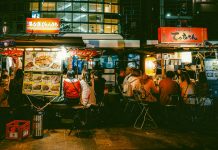
Tokyo’s nightlife is spread across many districts. Shibuya and Roppongi are known for clubs, Shinjuku for the tiny bars of Golden Gai and the yakitori alleys of Omoide Yokocho, and Ebisu and Ginza for cocktail bars. In Osaka, head to Dotonbori and Namba.

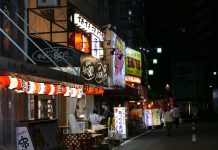
If you want to learn about the more historical, laidback nightlife of Tokyo head to Asakusa. Shinjuku, Asakusa and Shibuya are good places to go izakaya hopping (the Japanese pub crawl).

For alternative experiences, catch a traditional Japanese live show, a baseball game or a night cruise on Tokyo Bay. Visiting a Karaoke Bar is something you just have to do in Tokyo, whether you can sing or not! Tokyo and Osaka have a number of different bars to choose from- British style, DJ spinning houses and other types of music.

The Noge district in Yokohama is another good place for going out. Here you’ll find plenty of restaurants and bars.

Safety Tips for Japan

Japan is one of the safest countries in the world, with very low rates of theft and violent crime. Lost wallets and phones are often handed in to the police. Laws are strict, though, and that includes drugs. Some common medicines, like certain cold and ADHD medications, are restricted, so check before you pack.

Natural hazards are the bigger risk. Japan has frequent earthquakes, typhoons from roughly July to October, and hot, humid summers with heatstroke alerts. Download the free Safety tips app from the Japan Tourism Agency for earthquake, tsunami and weather warnings in English, and follow the instructions of local staff in an emergency.

Some onsen and public baths don’t allow guests with tattoos. Check before you go, or look for tattoo-friendly baths and private family baths. Make sure to follow the onsen etiquette.

Pickpocketing is rare but can happen in crowded trains, festivals and nightlife areas. In Kabukicho and Roppongi, avoid street touts who invite you into bars.

Conclusion

Japan is an archipelago of thousands of islands, and few destinations combine ancient tradition and modern city life so naturally.

Steeped in ancient tradition and culture, completely unique and wonderfully civilized, there is something to be learnt from Japan’s past.

However, the world traveler will be equally spellbound with the face of Japan’s present and future urban landscape. Towering cities, unparalleled, efficient public transport and infrastructure- modern Japan is a force to be reckoned with.

Whether you visit Japan to marvel at the urban cityscapes, the majesty of Mount Fuji, the innovation of pod hostels, the pretty cherry blossom during springtime, the orange colours of autumn, the icy cold winters, the architecture of Japanese temples, the lip-smacking, fresh food, witnessing the ritual of tea-drinking or enjoying the calm and relaxation of an onsen or forest-bathing – Japan has something for every kind of traveler.

Travel tips for Japan

- Category – Japan

Traveling by Rail in Japan with JR Pass

How the Japan Rail Pass works for train travel in Japan: train types from local to Shinkansen, where to buy the pass, and how non-reserved seats work.
Your luxury capsule at the Y's cabin hotel in Yokohama.

Encapsulated In Tokyo – A Night At The Capsule Hotel

What a night in a capsule hotel is really like: buying a ticket from a vending machine, a 4ft wide pod with TV and alarm clock, lockers and a ladies' floor.
The source at the Daisetsuzan Gensui Park. ©Hendrik-Morkel

Exploring Kamikawa: Adventures in the Center of Hokkaido

Hike Daisetsuzan National Park, soak in a Sounkyo onsen, cycle to Higashikawa and eat your way through Asahikawa. Our route through central Hokkaido.
- Category – Japan

Travelling Vegetarian in Japan

Being vegetarian in Japan takes some planning. Useful Japanese phrases, hidden ingredients like dashi and bonito flakes, and where to find meat-free meals.
- Category – Japan

Tokyo – A City on the Fast Track of Development

Tokyo attractions in Ginza and Ikebukuro: shopping and dining in Ginza, Sunshine City's observatory, aquarium and planetarium, and an earthquake museum.
- Category – Japan

Operating Guidelines for Using a Japanese High-tech Toilet

A first encounter with the Japanese toilet in a hotel: heated seat, washing and drying functions, music to mask sounds and a panel full of mystery buttons.
- Category – Japan

Complete Kyoto Travel Guide

A practical Kyoto travel guide: Haruka train from Kansai Airport, the subway and bus day pass, kaiseki and Nishiki Market, top temples and when to visit.
Getting to central Tokyo from Narita Airport

How to Get from Narita Airport to Central Tokyo: A Practical Guide

How to get from Narita Airport to Central Tokyo by Narita Express, Skyliner, Access Express, limousine bus or taxi, with travel times, fares and arrival tips.
- Category – Japan

Japan’s Boob Temple

Japan's boob temple, Mamma Kannon in Komaki, Aichi, is lined with breast statues and hundreds of ema prayer tablets. Here's what to expect when you visit.
- Category – Japan

Car Rental in Japan: All You Need to Know

Thinking about car rental in Japan? Here are the real pros and cons, from licence rules and Kei cars to narrow roads, satnavs and Japanese-only contracts.
Chitose Japan

What to Visit in the Vicinity of Chitose, Japan

Near New Chitose Airport: Lake Shikotsu's ice-free waters, Mount Eniwa, ten ramen shops at Hokkaido Ramen Dojo, Royce chocolate and the Rera outlet mall.
Best ramen shops in Fukuoka, Japan

Where to Find the Best Tonkotsu Ramen in Fukuoka

Where to eat tonkotsu ramen in Fukuoka: four shops in Tenjin, Daimyo and Gion, from a decades-old Hakata classic to a clear pork bone broth, with access tips.
Takoyaki balls in Japan.

The Ultimate Guide to Street Food in Japan

Takoyaki in Osaka, yakitori skewers, taiyaki and shaved ice kakigori: a guide to street food in Japan, what goes into each dish and food tours worth joining.
- Category – Japan

The Meiji Jingu Shrine in Tokyo

Meiji Jingu, built in 1920 for Emperor Meiji, is Tokyo's grandest shrine. Free entry, a giant torii gate, Shinto weddings, New Year crowds and Yoyogi Park.
- Category – Japan

The Joy of Driving in Hokkaido, Japan

Driving in Hokkaido is the easiest way to reach its hot springs, coastal roads and flower fields. Where to go, which documents you need and when to drive.
Entrance to the Izakayas Torinichisakaba in Yokohama, Japan.

Eating at Japanese Restaurants: What you Need to Know

How Japanese restaurants work: the irasshaimase welcome, plastic food displays, chopstick manners, tatami seating and where to eat well for less in Japan.
- Category – Japan

Tokyo: A City of Ordered Chaos

First time in Tokyo? Tips on the metro, summer heat and ordering food, plus Senso-ji, the free Metropolitan Government Building view, Shibuya and Harajuku.
- Category – Japan

Japan: Spiritual Sites and Serendipity

A route from Mt. Fuji and Lake Yamanakako to Nara's deer park and Todaiji, ending at Koyasan's Okunoin cemetery, with guesthouse and train tips.
- Category – Japan

Geisha and Maiko in Gion

Hoping to see geisha and maiko in Gion? What it's really like on Kyoto's streets, why respect matters, and how to watch without crowding or chasing anyone.
Grilled fish in restaurant in Japan

Japanese Pork Chop in Downtown Osaka

Where to eat tonkatsu in Osaka: katsu curry at New Daruni in Nipponbashi, Tonkatsu Daiki in Higashi-Shinsaibashi and Kirishima pork at Tazumura in Umeda.
- Category – Japan

Must Visit Sites in Kyoto

Kyoto in a day by bike and on foot: Fushimi Inari at 7am, Nishiki Market, Nijo Castle, Kinkaku-ji, Kiyomizu-dera and an evening walk through Gion.
MAP - Japan
View Larger Map

Check out & follow:

112,412FansLike
49,264FollowersFollow
0FollowersFollow
384,760FollowersFollow
2,390SubscribersSubscribe

Explorer Videos

More travel tips