
Travel to Spain
Spain is the second largest country in Europe after France, and it holds about 85% of the Iberian Peninsula, which it shares with Portugal. Within its borders, visitors can enjoy Mediterranean beaches, snow-capped mountains, coastal rice paddies, volcanic islands, dry plains and green hills.
However, most first-time visitors only see a narrow slice of the country, heading for Barcelona or the Costa del Sol. The regions below are where the rest of Spain is located.
Take a look at our Spain subpages
Adventures in Spain
Barcelona
Barcelona in detail: beaches and sunset spots, cheap tapas and chiringuitos, what works with kids, and how the city changes from January to September.
Culture in Spain
Eastern Spain
Valencia, Murcia and the Mediterranean coast. Rice paddies, Ruzafa's backstreets, and the cities people reach for when Barcelona and Madrid feel too busy.
Lifestyle in Spain
Museums in Spain
Outdoor & Nature in Spain
Practical Tips for Spain
Things to Do & See in Spain
Water Sports & Scuba Diving in Spain
Where to Eat & Drink in Spain
Where to stay in Spain
The Spanish are a strong-willed nation, with an interesting history and eclectic culture. The varied cultures of Spain include the Castilians, Catalonians, Lusitanians, Galicians, Basques, Romans, Arabs, Jews, and Roma (Gypsies) among others all contribute to the unique cuisines and customs found around the country.
Spain is most famous for its food (tapas and paella being the most famous), wine (including Sangria), La Siesta (two-hour afternoon naps), Flamenco (gypsy-style music), artists (Pablo Picasso and Antoni Gaudí), beautiful coastline and beaches, football, bullfighting, and cosmopolitan cities.
The beautiful places in Spain are endless! The best time to visit Spain would depend on what you are looking for – sunny beach days, skiing, hiking, or festival hopping? Most come to Spain for sunny summer holidays, flocking to Costa Brava and Costa del Sol where the holiday resorts are geared up to international travelers. Though, Spain is much more than a beach destination. The bustling cities of Barcelona, Madrid, Seville, Bilbao and Valencia offer a mix of culture, history, art, food, and nightlife.
For those more interested in the outdoors, there’s the snow-capped peaks of the Pyrenees to climb or the pilgrimage route of St James’s Way to explore. Spain also offers some exciting festivals to experience, such as the Running of the Bulls, La Tomatina, Carnival and The Fallas of Valencia.
Explore more of Spain
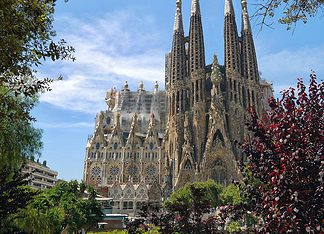
The Best Tourist Attractions in Barcelona



Visa Requirements for Spain
Spain is part of the Schengen agreement, which allows most of the EU citizens to enter the country only with their ID. When entering by air from a non-Schengen country, you will be expected to fill out a brief form which includes an address in Spain. You most probably won’t have a proper address, so you can take the one of your accommodation. It’s very unlikely that this will be checked, but you will have to enter an address if you want to enter the country.
A stay of longer than 90 days for non-EEA or Swiss citizens usually requires a visa, which you need to get before your trip. To make 100% sure what you need, please check with your government officials or on this website.
Important Cultural Information for Spain
Spain got many different and very interesting regions, not just traveling wise, but also politically.
Many of those regions have their own dialects and even languages, which might make conversations a bit harder, though you might be able to speak Spanish. Let you be told… Catalan, Basque, Asturian etc is not Spanish. 🙂
Around 70% of the people in Spain are Catholic, but only around 10% admit practicing and only 20% admit being believers. There are many Catholic churches and as well many festivals with religious backgrounds, which makes traveling through Spain even more special.
When you as a traveler meet locals, you would usually greet them with a firm handshake. It is customary to kiss friends, family and acquaintances on both cheeks when meeting each other and saying goodbye. Kisses male-to-male are limited to family members or to very close friends. Though you see that it’s more easy-going with the younger generation, for example when going out.
Talking about going out, let’s talk about meal times. Lunch is usually around 13:00 and 14:30. Be warned, many businesses have their doors closed between 14:30 and 17:00… It’s siesta time. dinner starts around 21:00. On special occasions, like celebrations, the dinner can last a long time.
And then we have the bullfights, which Spain is also known for. This is seen as a cultural heritage icon in some regions in Spain. It seems that more and more people are against it and that only elder people from the countryside and a few tourists still go to the bullfight arenas. You have to decide for yourself if it’s of interest for you, to see how a defenseless bull gets slaughtered in an arena. This includes the famous Pamplona bull-run, which can also be seen in smaller villages. In the end all the bulls end in the arena for their final minutes of their lives.
Several regions got strong self-independence movements and visitors should be respectful towards those, keeping in mind that there are always two sides and two stories. There is usually a long history to those and it’s wise not to engage in an argument, which you most probably will not win. 🙂
Culture in Spain

Madrid Landmarks – Which Ones Should you Visit?

Between the Tió and the Three Kings: Christmas and New Year in Barcelona

Visiting the Prado Museum in Madrid

Things to Do in Barcelona: Our Barcelona Activity Guide

Costa Brava, Spain: The Culture Guide
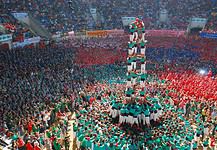
Crazy Catalan Traditions: A Fun Peek into the Unusual and Unique Customs of Barcelona
Banking & Money
In Spain you pay with the Euro(€), just like in other 24 European countries. 100 cents are 1 Euro. Each country can produce their own Euro coins, where one side of the coins have their own unique designs, while the other side got a European standard design. You can use the Euro in any of the eurozone countries. That makes Europe a great place to travel, as you don’t have to exchange money when crossing a border.
To exchange money, there are plenty of ATMs, where you can withdraw up to €500, usually for a fee, depending on your own bank conditions. Credit cards are well accepted all over. But it’s always useful to have a few Euro notes, especially on the countryside.
Medical Emergency Information
If there is an emergency, you can call for free 112 from any phone at no cost. This will get you in touch with the police, firefighters and ambulances.
If you’re looking for travel insurance, we are an affiliate of SafetyWing, a travel medical insurance provider.
Wi-Fi and Internet in Spain
The data coverage is good in urban areas, but not that good in rural areas. Usually the bars and cafeterias have their own Wi-Fi points and you can ask for access to those as a guest.
Also most hotels offer mostly for free Wi-Fi connections for their guests. Not all connections are secured, so that we recommend using a VPN service.
If you want to be connected more often, you can buy a pre-paid sim card at phone shops. Usually you only need an ID for this and maybe an address. That gives you your own number, which you would then have to top-up from time to time. If you’re tired of buying a new SIM card every time you travel, consider getting an eSIM before your next trip.
As a European traveler, you have the same data conditions like at home. Yay!
Arriving in Spain
Most probably you will land by plane in Madrid or Barcelona, which most international airlines offer flights to. Other major airports are Valencia, Palma de Mallorca, Malaga, Sevilla, Alicante, Bilbao, Gran Canaria, Tenerife and several smaller ones.
Then there is also the option to arrive by train, coming from France, which offers a connection between Paris and Barcelona (around 6 hours) and then goes all the way to Madrid. Another cross border connections is between San Sebastian and Bayonne. Or you take the regional train from Toulouse to Barcelona.
Search for flights to Spain on Expedia.
The different regions of Spain
The country is divided into autonomous regions and two independent cities (Ceuta & Melilla). The Basque Country, Galicia, Catalonia, the Valencian region, the Balearic Islands and Andalucia have their own unique historical tradition. Then there are the Canary Islands and the cities of Ceuta and Melilla which are part of the African continent.
- In the Northwestern part of Spain you’ll find Galicia, Asturias & Cantabria.
- In Northern Spain you’ll find the Basque Country, Navarre & La Rioja.
- In the Northeastern part is Catalonia & Aragon.
- Central Spain has the Community of Madrid, Castile-La Mancha, Castille-Leon & Extremadura.
- In Eastern Spain are Murcia & Valencia.
- In the South you’ll find Andalucia.
- And then we have the Balearic & Canary Islands and the two Autonomous Cities Ceuta & Melilla, this includes Menorca.
Travel Tips for Barcelona
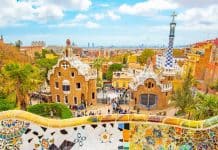
The Ultimate Guide to Exploring Barcelona With Kids

Where To Stay In Barcelona: Our Barcelona Accommodation Guide

5 Budget-Friendly Date Ideas in Barcelona

The Most Unusual Museums in Barcelona

Water Sports in Barcelona

Cycling Barcelona Without a Map
Getting around in Spain
A good way to get around Spain is by bus, as there are many regular routes from city to city. Usually each route has its own operator, which means that they also have their own prices and tickets. Another option is to use the train, but here you might go more for shorter distances, using the regional trains. That’s because the Spanish long-distance train (RENFE), require reservations which you often have to book quite ahead in advance. The positive side is, if you travel by RENFE, you will have a guaranteed seat for your journey. Also “Media Distancia” trains might need a reservation. It’s also popular to rent a car and go for a little road trip, which is a good option if you want to see a bit more of the country and not just the cities. The cities are usually quite busy and it might be nerve wracking to find a parking spot. So consider renting a car at the moment you leave a bigger city and return it on arrival in a big city. For long distances you might want to use the autopistas, which are toll roads, so keep your wallet close to you. Then there are autovias, which are generally free of charge. And stick to the speed limits, as fines are quite expensive and can be more than €500.
Where to stay in Spain
It’s up to you if you want to stay in a hotel, tent, guesthouse/pension, apartment, villa, camper van or even in a monastery. All can be found for different budgets. A special stay would be in a parador, which is a state-owned hotel in Spain, which is usually a historical building like a castle or hacienda. And you’ll find the casa rural, which is a bed and breakfast type and those can be found in the countryside, but also in the cities.
In tourist areas, cities and actually all over the country, you will also find different kinds of hotels, hostels and apartments. There are also many villas in Spain to rent. All for different prices and quality levels. There will be plenty of food and it plays an important role in the Spanish culture, as the locals are very passionate about their cuisine.
Check out our Barcelona accommodation guide for a complete list on where to stay in the city, as well as the best ski resorts near Barcelona.
Accommodations in Spain

4 Unforgettable Yoga Retreats in Spain

A Guide to Choosing the Best Surf Camps in Spain

The Best Ski Resorts Near Barcelona
Costa Brava, Spain: The Culture Guide
Where To Stay In Barcelona: Our Barcelona Accommodation Guide

Costa Brava, Spain: The Nature and Activity Guide
Foodie Tips for Spain
The day starts with a cup of coffee and/or an orange juice and maybe a sandwich or some pastries. Around noon you should enjoy a little snack, an “aperitivo”, which goes well with a glass of wine or beer. Around 13:30 – 14:30 you have two courses (primer plato & segundo plato) for lunch. Often this is followed by a siesta, a little off-time. In recent years this is not done that often anymore. Dinner time is usually around 21:00 and can take quite a while. And if you can’t wait till then, have a “la merienda” around 18:00, which would be another little snack. Most bars offer a bocadillo, which is a baguette sandwich, which is also good to take along on activities. Spain would not be Spain without their Tapas and Pintxos (Basque region). Both are quite similar and are a kind of starter/appetizer. They are so good, that you could try a few different ones & just have those. Check out our Costa Brava gastronomy experience!
Spain Foodie Tips

Affordable Wine Tasting in Barcelona and Surrounding Areas

The Best Ice Cream Shops in Central Barcelona to Cool Off This Summer

Inside Ruzafa: Valencia’s Best Kept Secret

Where to Find the Best Bravas in Barcelona
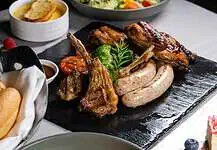
The 10 Best Menus in Barcelona for Less Than €20
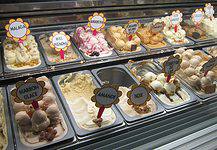
Where to Get the Best Ice Cream in Barcelona

Cheap Tapas Bars in Barcelona
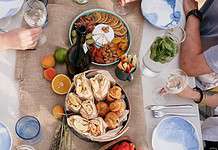
7 Affordable Brunches in Barcelona
Things to Do in Barcelona: Our Barcelona Activity Guide
Attractions, sights and things to do in Spain
There is plenty to explore, to see and things to do in Spain. Spain has dozens of historical cities, which you can find all over the country. Just to name a few, there is Granada with its Alhambra, Toledo with the Mezquita, Toledo, Burgos, Salamanca, Cordoba, Cadiz, Ronda and of course Barcelona. You can find some of the finest and worldwide known museums and artists in Spain, by visiting the Prado in Madrid, the work of art of Antoni Gaudi and Salvador Dali in Barcelona and the Costa Brava or by visiting the spectacular Guggenheim museum in Bilbao. Check out our Barcelona activity guide, along with the hidden gems in Barcelona. We’ve also covered the top Madrid landmarks, Valencia’s best kept secret, things to do in Puerto de la Cruz and tips for walking the Camino de Santiago. For the adrenalin junkies and for the ones who love to be active, you can enjoy all kind of outdoor activities, like hiking, skydiving, climbing, downhill, ski & snowboard, scuba diving, canyoning or wonderful nature walks and of course much more.
Things to see & do in Spain

Five Towns a Single Train Ticket Away From Barcelona

The Best Viewpoints in Barcelona
Things to Do in Barcelona: Our Barcelona Activity Guide

What It Takes to Throw Yourself Into La Tomatina From Valencia

Six Top Tenerife Adventure Shore Experiences with P&O Cruises Fly Canaries

The Best Tourist Attractions in Barcelona
Shopping in Spain
Most shops are not open the whole day and close their doors around 13:30 and open them in the afternoon around 17:00. That’s when the locals have their lunch and is also when it can get very hot in summer. Only bigger chains and malls are usually open the whole time.
Sunday is usually also when all the shops are closed. Restaurants, cafes, petrol stations and some supermarkets stay open.
Nightlife
Life is happening in the evening and usually outside. People meet on the plaza (square) and enjoy the good weather or in bars to drink a glass of beer or wine, while having some tapas.
People usually start going out to bars around 10/11 pm and not into the clubs before 2/3am.
Safety Tips
Spain is a safe country, but you should take some basic precautions, just like everywhere else. Crowded & popular places by tourists attract pickpockets. So watch out in buses, squares, trains, airports and flea markets and try not to show your wallet or purse. Some pickpockets work in groups, where one person will distract you, while another steals your belongings.
In general, do not carry large amounts of cash with you and use more often your credit card.
Typical scams are street games and taxi drivers offering fixed prices, though each should use the visible fare table. In some restaurants the staff might try to add meals or drinks to your bill, even though you haven’t had those. Just ask for the menu again and double check the prices. Note here, sometimes a tip is not included in the bill and tipping is optional in Spain. Usually you leave a few coins, 5-8% of the charged price.
Conclusion
Spain is an exciting destination to explore. A few weeks won’t be enough as every region has so much to offer and is also so different to each other. Many first time visitors stick to the bigger cities like Madrid, Barcelona, Sevilla and Valencia. We recommend to also explore the countryside. The Balearic and Canary Islands are known for beach holidays, but also here, there is so much more you should explore. The food is one of the finest you will find in Europe. Join in on the love the locals have for their cuisine. Adapt to the daily rhythm, lifestyle and tastes of Spain.
View Larger Map


