Most visitors give Panama City a night or two between flights. We tell them to use it as a base instead. A colonial quarter, a working canal, a protected rainforest, and a Pacific waterfront sit within a short drive of one another. You can walk Casco Viejo in the morning, watch a ship rise through the Miraflores Locks before lunch, hike in the afternoon, and eat seafood by the water that evening without changing hotels.
What follows is what we share with the visitors we host: which neighborhoods reward a walk, how locals spend their weekends, what to order at a fonda, and how to plan around the afternoon rain.
- Panama City Neighborhoods Worth Your Time
- Casco Antiguo (Casco Viejo)
- Vía Argentina
- Avenida Balboa and the Cinta Costera
- Albrook and San Francisco
- Ride the Metro
- How Locals Spend Their Free Time
- A Sunday on the Amador Causeway
- Gathering Around Food
- Leaving the City for a Few Hours
- The History Under the Skyline
- What to Eat in Panama City
- Breakfast at a Fonda
- Lunch: Sancocho and Arroz con Pollo
- Mercado de Mariscos
- Afro-Caribbean Cooking in Río Abajo
- Between Meals
- Rainforest and Coast Within Reach
- Practical Information
- Getting There
- When to Go
- What to Bring
- Costs at a Glance (checked November 2026)
- Money
- Frequently Asked Questions
- How many days do you need in Panama City?
- Which airport do I use for flights within Panama?
- Will the rainy season spoil my trip in Panama City?
- Where can you see monkeys and sloths near Panama City?
- Do I need a guide in Panama City, or can I explore on my own?
- Should I carry ID in Panama City?
Canal, Casco Viejo, and the Causeway in One Guided Day
If you’d rather have a local guide join the dots for you on your first day, this tour from Live Folks covers most of this article in a single loop, with hotel pickup.
Good to know
Price: From US$100 per person (checked November 2026)
Duration: About 8 hours
Stops: Avenida Balboa, the Panama Canal Administration Building, the Bridge of the Americas, the Amador Causeway with the Smithsonian’s Punta Culebra nature area and Flamenco Island, Casco Viejo, the Mercado de Mariscos, and the Miraflores Locks
Pickup: Hotels in Panama City and Playa Bonita, plus the cruise terminals in Panama City and Colón
Languages: English, Spanish, and French
Includes: Certified guide, transport, all entry fees, and bottled water
Booking: Up to 17 hours before departure, with instant confirmation
One honest limitation: This is an overview day, not a slow one. Casco Viejo and Miraflores each get about an hour, and the route includes a 30-minute duty-free shopping stop. If you want to sit in a plaza or wait for a ship to fill the locks, use the tour to get your bearings and come back on your own.
See the Panama Canal and City Sightseeing Tour
This section contains partner links. If you book through them, we may earn a commission at no extra cost to you. We only feature partners whose services we believe add genuine value for travelers.
Panama City Neighborhoods Worth Your Time
Casco Antiguo belongs at the top of any list. But the city’s character shows up in the contrasts between its districts, and each one shows a different side of how Panamanians live, work, and relax.
Casco Antiguo (Casco Viejo)
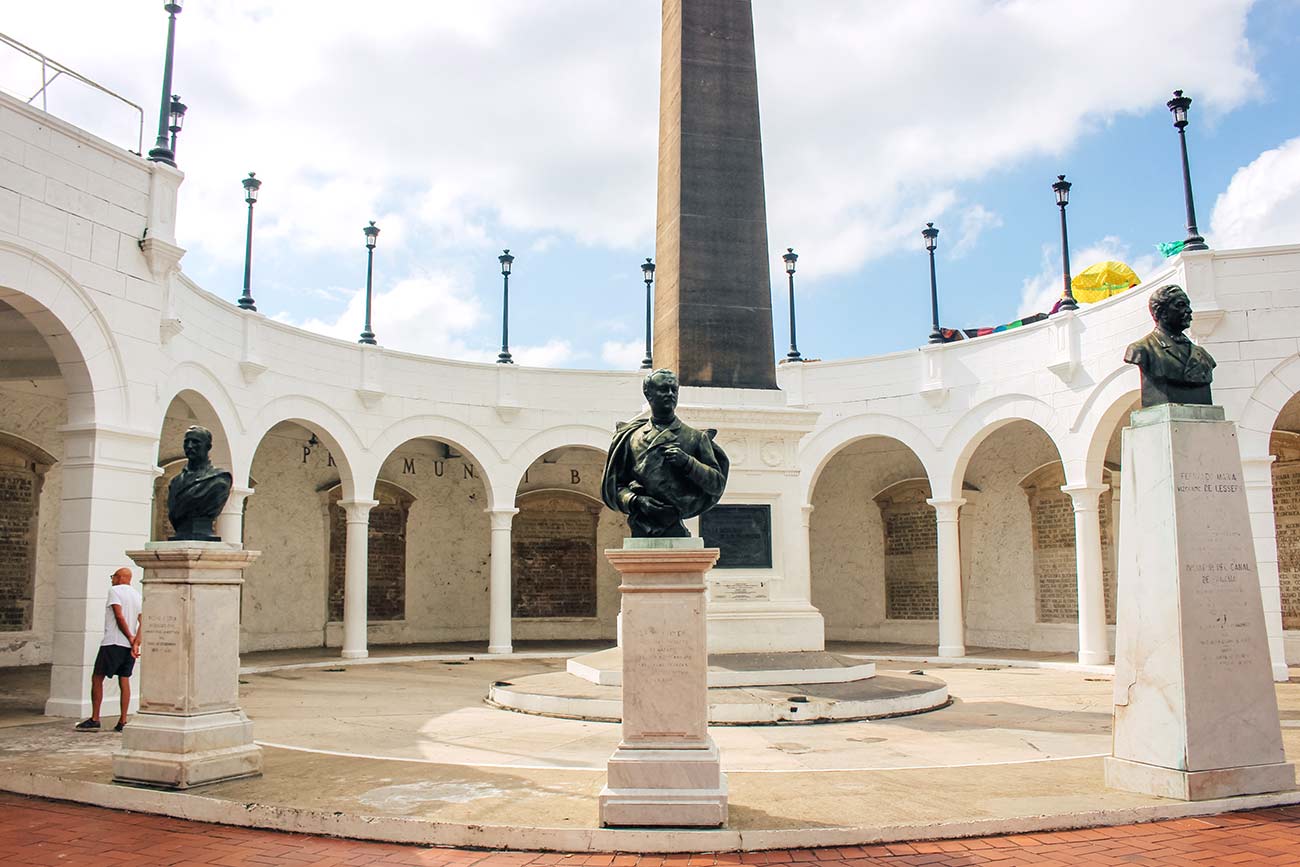
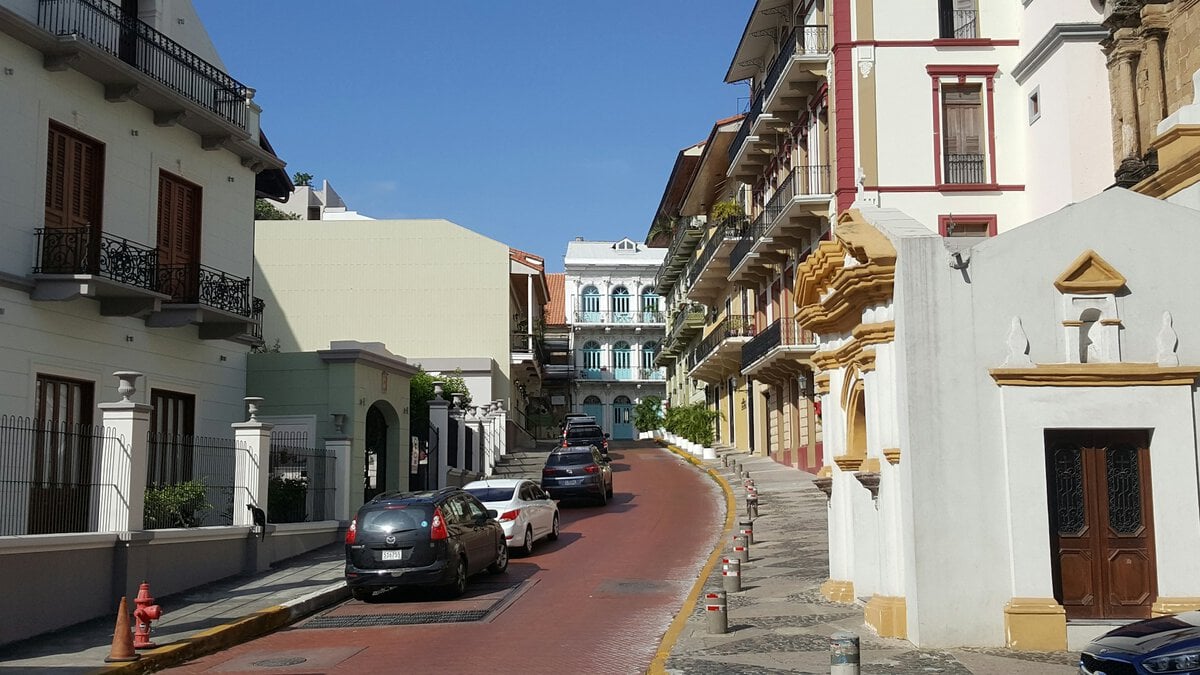
This is the place to understand Panama’s history, architecture, and food. Cobblestone streets, colorful balconies, historic churches, independent shops, galleries, cafés, and rooftop restaurants make it easy to explore on foot. Plan to spend hours here. Or skip the itinerary, sit in a plaza, and watch everyday life pass.
Vía Argentina
In the El Cangrejo area, Vía Argentina is the city’s everyday social life rather than its postcard. Restaurants, cafés, bars, and small businesses line the street, and locals use them as much as visitors do. Come here if you like to walk, try different cuisines, and see the city outside the main tourist districts.
Avenida Balboa and the Cinta Costera
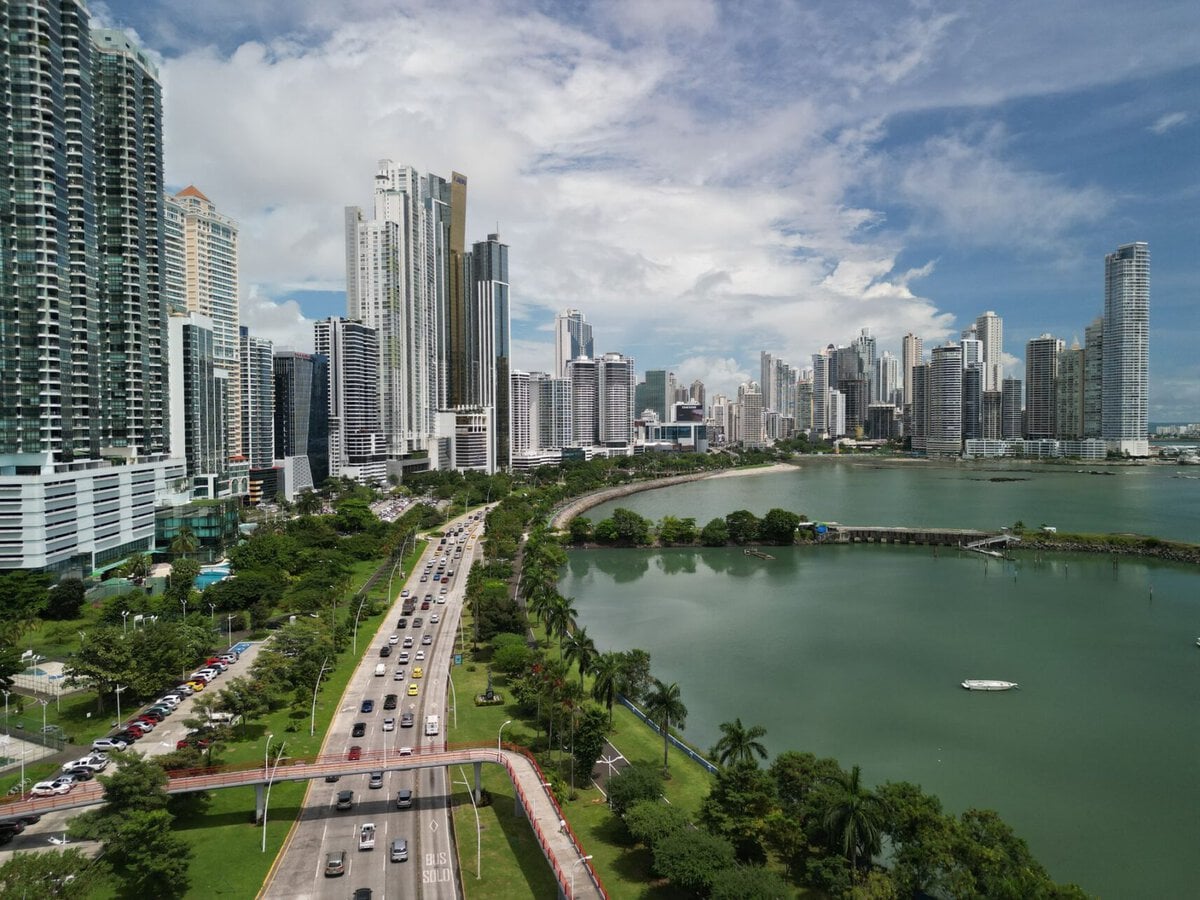
Skyscrapers rise on one side of this waterfront stretch, while the Pacific and the historic district sit on the other. The Cinta Costera has parks, walking and cycling paths, and sports facilities that link commercial and residential neighborhoods. Early in the morning you’ll find locals jogging before work. Toward sunset, families bring their children and friends meet for a walk. Most of it costs nothing, which is part of the point.
Albrook and San Francisco
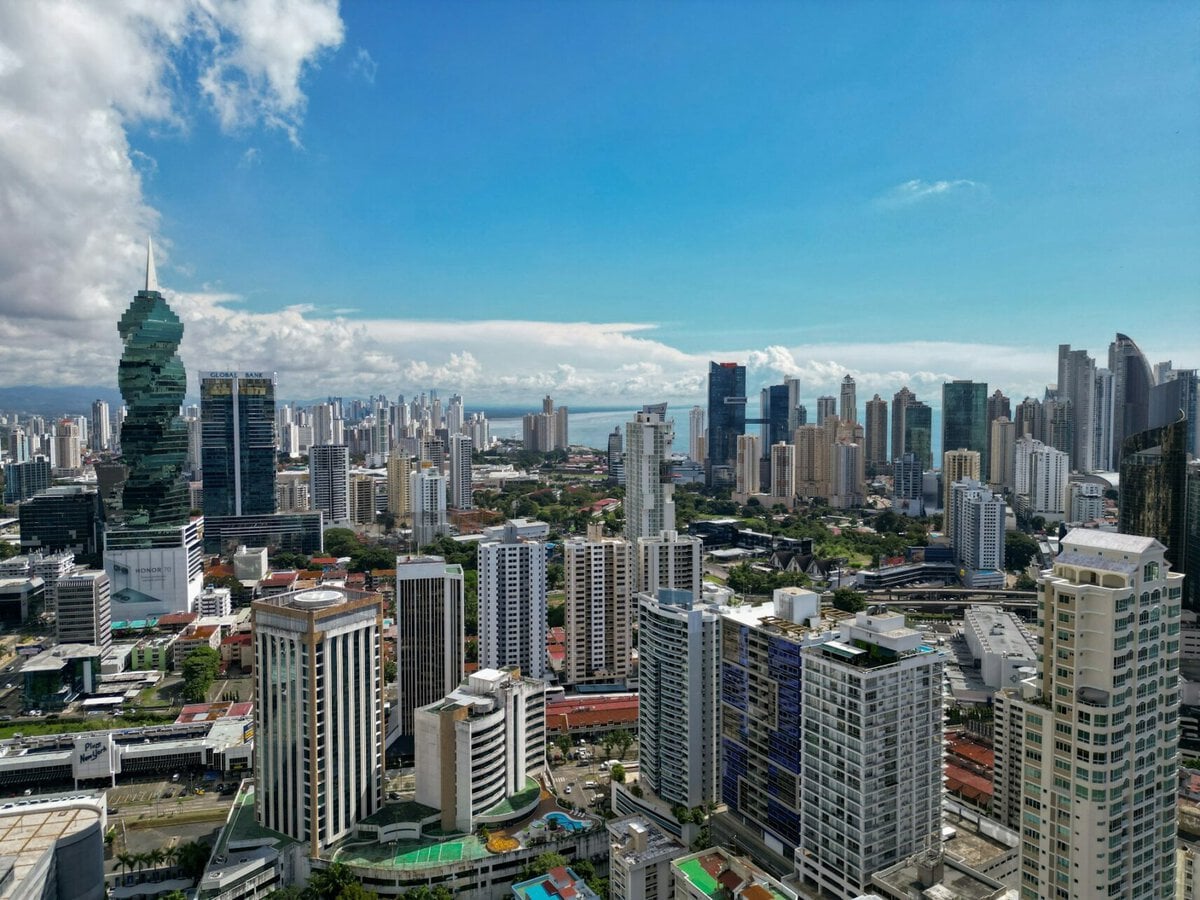
Albrook is home to Albrook Mall, one of the largest shopping malls in the region, with international and local retailers, restaurants, and entertainment. San Francisco is more residential and commercial, with shopping centers, cafés, supermarkets, and everyday businesses. Neither is a sightseeing stop. Both show you how people live beyond the traditional tourist areas.
Ride the Metro
We encourage every visitor to ride the Panama Metro at least once. Some sections run underground and others are elevated, so the view of the city keeps changing. A ride on Line 1 costs US$0.35 and a ride on Line 2 costs US$0.50. You pay with a rechargeable Metro card sold at station machines, and contactless Visa and Mastercard cards are also accepted. Trains are modern, clean, and air-conditioned, and they connect several neighborhoods while you watch the city the way residents see it.
How Locals Spend Their Free Time
Much of Panama City’s social life happens outdoors, especially in the late afternoon and on weekends. Tourists tend to concentrate on Casco Viejo, the Canal, and the main shopping districts. Locals have routines of their own.
A Sunday on the Amador Causeway
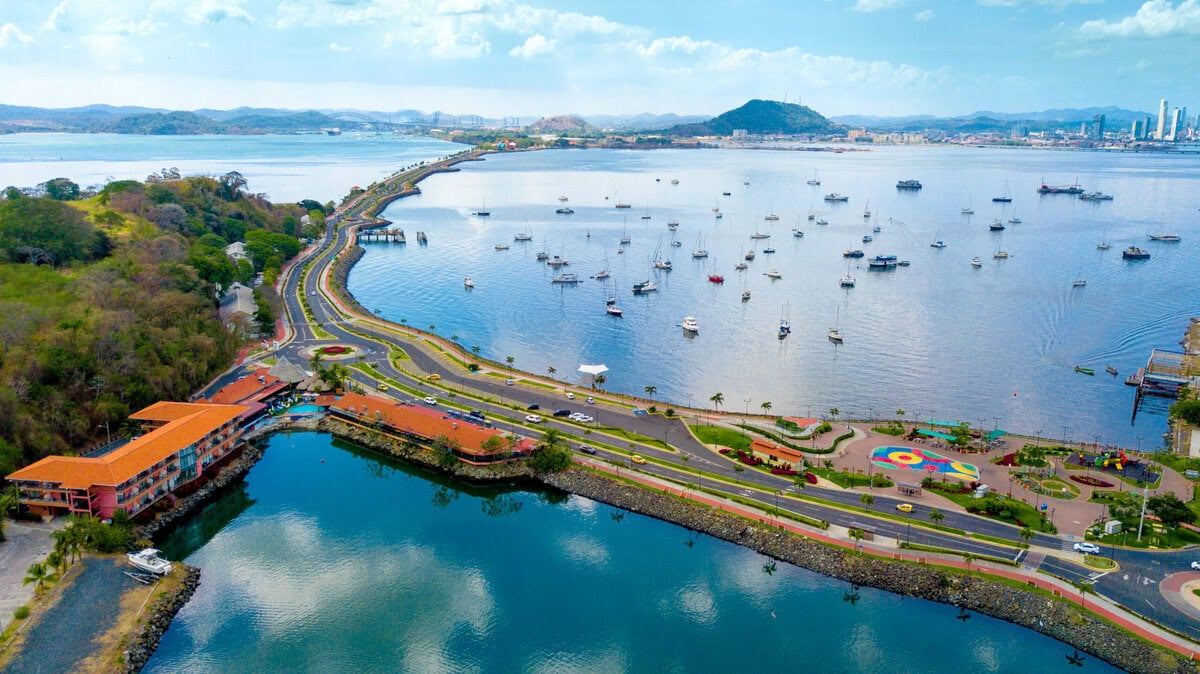
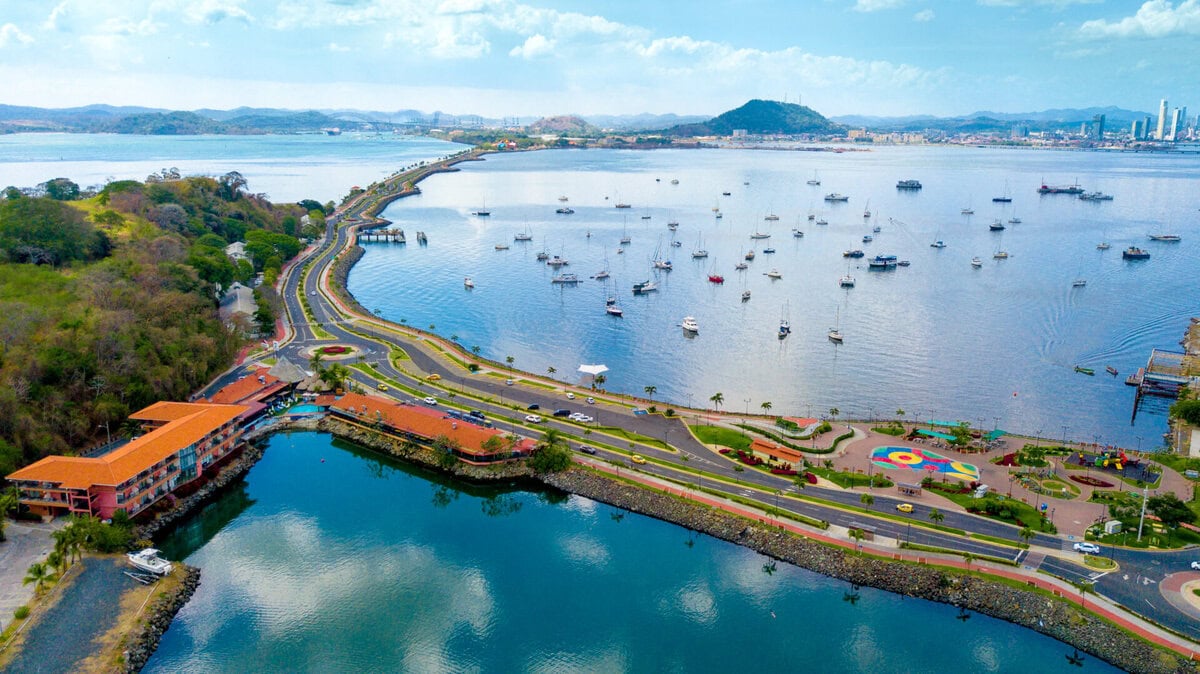
One ritual worth joining is a Sunday morning or late afternoon on the Amador Causeway. Families, couples, friends, and cyclists head out to walk, ride, exercise, and catch the sea breeze. Some stop for seafood or a drink overlooking the Pacific. Others continue toward Flamenco Island for views back at the skyline. Nobody is there to tick off an attraction. They’re spending time together.
The Causeway has a story of its own. It was built with rock excavated during the construction of the Panama Canal, and it connects the mainland to four small islands: Naos, Culebra, Perico, and Flamenco. As you walk or cycle its roughly 6 kilometers, the skyline recedes behind you and the Pacific opens on both sides.
Gathering Around Food
In Vía Argentina, San Francisco, and other residential areas, people meet friends for breakfast, coffee, lunch, or dinner. Weekend breakfasts matter most. A neighborhood fonda serving hojaldres, tortillas, carimañolas, or eggs with local cheese gives you a quick education in everyday Panamanian food culture.
Leaving the City for a Few Hours
Locals also escape without going far. A weekend trip to Veracruz for seafood by the water, or a drive toward Gamboa for the rainforest, changes the scenery without an overnight stay. With a full day, the road west climbs to the crater town of El Valle de Antón, where the La India Dormida hike looks back over the valley. Leave some room in your itinerary for days like these. They won’t appear on a tourist checklist, but they say a lot about what living in Panama City feels like.
The History Under the Skyline
Panama has always been a meeting point of continents and cultures. Its position between North and South America, connecting the Atlantic and Pacific, shaped its economy, its architecture, and the way people live today.
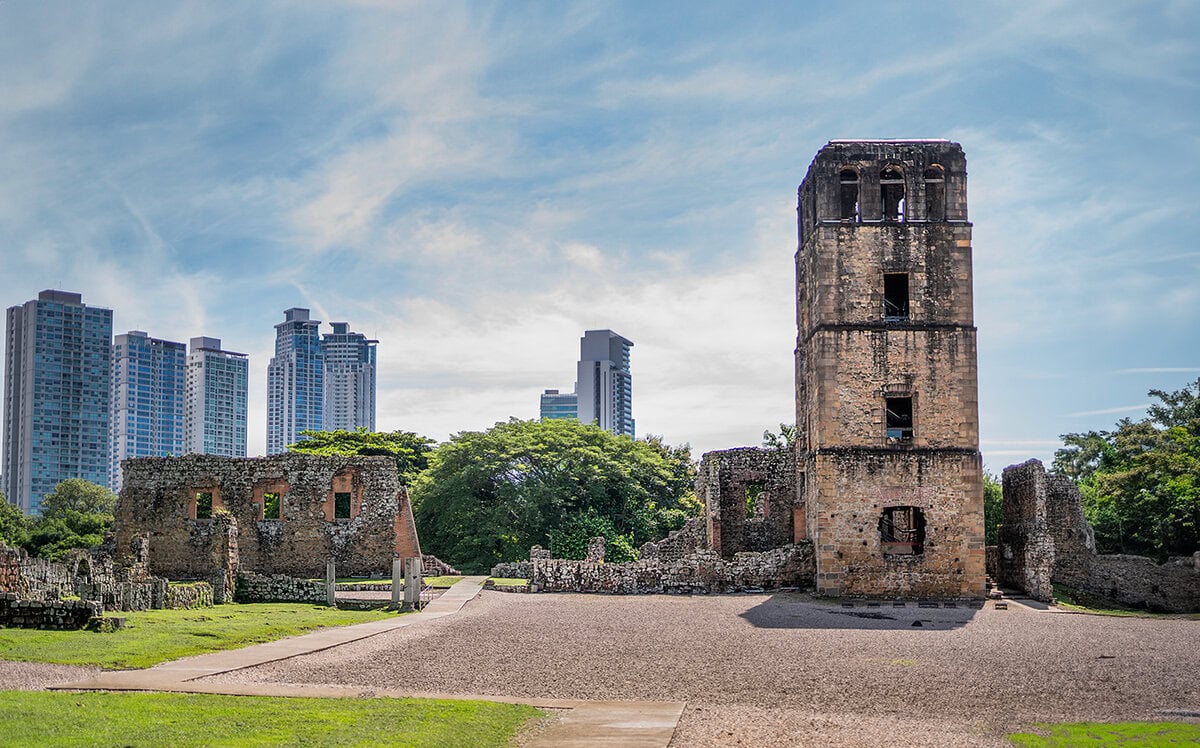
The ruins of Panamá Viejo, the original settlement founded in 1519, mark the city’s beginnings. The Panama Canal later brought workers, engineers, and families from the Caribbean, Europe, and the United States. Thousands of West Indian workers, many from Jamaica and Barbados, played an essential role in building it. Their descendants shaped Panama’s music, food, language, and architecture, and you can see that influence in neighborhoods such as Río Abajo and in the Afro-Antillean communities of Colón, an easy day trip to the Caribbean coast along with Portobelo.
The Canal Zone was once administered by the United States, which created a distinct social and geographic division within the country. Former military installations, residential areas, and hospitals still stand around the capital, including the former Gorgas Hospital. The struggle for sovereignty became a defining part of national identity, especially after the events of January 9, 1964, commemorated as Martyrs’ Day. Avenida de los Mártires, the former Canal Zone, and the Bridge of the Americas (inaugurated in 1962 as the first permanent road bridge across the Canal) mean much more once you know this.
Panama is also home to several Indigenous peoples, including the Guna, Emberá, Wounaan, Ngäbe, and Buglé. If you visit an Emberá community, remember that these are living communities, not cultural exhibitions.
A local guide helps here. Ask about the Canal’s history, the Caribbean workers who built it, and the communities that keep their traditions alive. Those conversations tell you more than any plaque.
What to Eat in Panama City
Panamanian food reflects Indigenous, African, Spanish, Caribbean, and international influences. It’s often best in neighborhood restaurants, traditional fondas, and local markets, not only in upscale dining rooms.
Breakfast at a Fonda
Skip the hotel breakfast at least once. At a local fonda, order hojaldres: lightly fried dough, golden and slightly crisp outside, soft inside. Panamanian tortillas aren’t the thin Mexican kind. They’re thick, fried corn cakes with a toasted corn flavor. Add eggs, local cheese, sausages, and a cup of Panamanian coffee.
Lunch: Sancocho and Arroz con Pollo
Order sancocho de gallina, a chicken soup made with culantro, onion, garlic, and ñame (a tropical root vegetable), usually served with white rice. Arroz con pollo is another solid choice, often served with potato salad or plantains.
Mercado de Mariscos
The seafood market is loved by locals and visitors alike. Start with ceviche of fish, shrimp, or octopus, marinated in lime juice with onion and cilantro and served with crispy plantain chips. Or order a whole fried corvina with patacones, the twice-fried green plantain slices. The restaurants here have adapted their menus, so less adventurous eaters will find something they like.
Afro-Caribbean Cooking in Río Abajo
This historic Afro-descendant neighborhood is the place for Afro-Caribbean cooking. Look for locally owned restaurants serving rondón, a coconut-milk fish or seafood stew, along with rice and beans cooked in coconut milk, fried fish, and plantains. Expect coconut, herbs, and local spices.
Between Meals
Carimañolas are deep-fried yucca rolls filled with seasoned ground beef or cheese. Raspao is shaved ice with flavored syrup and condensed milk, ideal on a hot afternoon. For drinks, try chicha de saril, a hibiscus drink with ginger and spices that’s popular at Christmas, or chicheme, a sweet, creamy corn drink traditionally associated with Colón. Coffee lovers should look for highland coffee from Boquete.
Rainforest and Coast Within Reach
Panama’s tourism authority describes Metropolitan Natural Park as the only tropical forest inside a capital city in Latin America. Its trails let you hike through real forest without leaving the city, and the best wildlife hours are the first ones after the gates open. Ancon Hill, the highest natural point in Panama City at about 199 meters, gives you a view of the skyline, the Canal, and the green around them.
Gamboa is about 45 minutes away, surrounded by Soberanía National Park and the Canal watershed. From there you can take a boat out to Monkey Island or visit a sloth sanctuary. Veracruz is roughly 15 to 20 minutes from the city, depending on traffic, and has beachfront restaurants serving fresh seafood. Excursions to Emberá communities in the Chagres River region and Chagres National Park can also be arranged from the area.
Picture a couple with two or three days before their next flight. They arrive with the Canal and Casco Viejo on their list. They watch a container ship pass through Miraflores, walk the old quarter, then take a boat out of Gamboa and spot monkeys in the trees. They end up in a local restaurant eating dishes they’d never heard of. By the end, they’re already talking about coming back for longer. We see that pattern over and over. When they do come back, the rest of Panama beyond the Canal is the natural next trip.
Practical Information
Getting There
Most international visitors land at Tocumen International Airport (PTY), roughly 20 to 25 kilometers east of the city center. The drive usually takes 25 to 45 minutes, longer at rush hour. Uber, official airport taxis, and shuttles arranged through your hotel are the simplest options after a long flight.
Travelers with light luggage can take the Metro. The airport station (Aeropuerto) is a short walk from Terminal 2, with a free shuttle from Terminal 1. Ride the airport branch one stop to Corredor Sur, change to Line 2 toward San Miguelito, then change to Line 1 for the city center. Expect to pay about US$0.85 in total. From your station, walk or take an Uber or taxi.
When to Go
Temperatures stay warm all year. The dry season runs from mid-December to mid-March and brings the most sun, along with peak crowds around Christmas, New Year’s, and Carnival. The rainy season runs from mid-March to mid-December. Mornings are often sunny, with showers building in the afternoon.
What to Bring
Pack lightweight, breathable clothing, comfortable walking shoes (Casco Viejo has cobblestones, uneven sidewalks, and steps), sunscreen, sunglasses, and a reusable water bottle. A compact umbrella or light rain jacket helps in the wet months. Bring a light layer for heavily air-conditioned malls and restaurants, and insect repellent for Gamboa and other natural areas. Panama City has pharmacies and supermarkets, so don’t overpack.
Costs at a Glance (checked November 2026)
| Item | Price |
|---|---|
| Metro Line 1 ride | US$0.35 |
| Metro Line 2 ride | US$0.50 |
| Rechargeable Metro card | About US$2 |
| Miraflores Visitor Center, non-resident adult | About US$17 to US$20 |
| Metropolitan Natural Park, foreign adult | About US$4 to US$5 |
| Cinta Costera and Amador Causeway | Free |
Money
The US dollar is used in Panama, alongside balboa coins. Cards are widely accepted in hotels, restaurants, and shopping centers, but carry a little cash for smaller establishments, markets, and some taxis.
Frequently Asked Questions
How many days do you need in Panama City?
Two full days covers the essentials if you split them well. Spend the first morning at the Miraflores Locks and the afternoon and evening in Casco Viejo and on the Cinta Costera. Use the second morning for Gamboa or Metropolitan Natural Park, then end with seafood on the Amador Causeway. A third day lets you add a slower neighborhood breakfast and a museum.
Which airport do I use for flights within Panama?
Marcos A. Gelabert International Airport (PAC) in Albrook is much closer to the city center than Tocumen and handles domestic flights to places such as David, Changuinola, and Bocas del Toro. Panamá Pacífico International Airport (BLB), west of the city, has a small number of regional routes, so check current schedules before you book. Long-distance buses arrive at the Albrook terminal, which connects to the Metro.
Will the rainy season spoil my trip in Panama City?
No. Schedule outdoor activities such as Ancon Hill, Metropolitan Natural Park, Gamboa, and the Amador Causeway for the morning. Keep the afternoon flexible for the Miraflores visitor center, museums, malls, historic churches, and restaurants. Rain is usually heaviest from September to November, with October among the wettest months. July and August can bring a drier spell known as the Veranillo de San Juan, though it isn’t guaranteed.
Where can you see monkeys and sloths near Panama City?
Inside the city, Metropolitan Natural Park is home to Geoffroy’s tamarins, the small monkeys locals call tití, and sloths are sometimes spotted in its trees. Go early, when the animals are most active and the trails are quiet. For more certain sightings, the boat trips out of Gamboa to Monkey Island and the sloth sanctuary there are your best bet.
Do I need a guide in Panama City, or can I explore on my own?
Explore on your own and leave room for spontaneous discoveries. But for places where context matters, such as Casco Viejo, the Canal, or an Emberá visit, a local guide can answer questions and connect the history to the people who lived it. A book can tell you a building is a church. A guide can tell you what happened there.
Should I carry ID in Panama City?
Yes. Keep a copy of your passport or another accepted form of identification, since some attractions and establishments ask for it. Travelers who qualify for resident or national admission rates should bring the appropriate Panamanian ID.