The Riviera Maya is one of the few places on earth where you can explore ancient Maya cities, swim in the Caribbean, and float in clear cenotes connected to some of the longest underwater cave systems in the world, all in the same day and in warm weather year-round. Of those three, the cenote is the one I’d keep if I had to choose.
After more than 14 years living here, I get asked constantly which cenote to visit. The answer starts with what kind you want. There are three types of cenotes in the Riviera Maya: open, semi-open, and cave, and each gives a different experience in the water. Here is how I think about choosing one, and what to know before you go.
- What a Cenote Is
- The Three Types: Open, Semi-Open and Cave
- Open Cenotes
- Semi-Open Cenotes
- Cave Cenotes
- Cenote Etiquette
- How to Find a Quieter Cenote
- Smaller and Privately Run Beats Famous
- A Proposal on a Stone Platform
- When to Go
- What to Bring
- Skin and Water Protection
- Footwear and Gear
- Clothing for the Jungle
- Practical Information
- Getting There
- Choosing Your Base
- Frequently Asked Questions
- Do I need to be a diver to enjoy a cenote?
- Is it better to visit a famous cenote or a small one?
- Can I visit a cenote in the rainy season?
- Which town should I stay in to reach the cenotes?
- Is Tulum airport better than Cancun for a cenote trip?
What a Cenote Is
There are no rivers on the surface here. These natural sinkholes have always been the region’s freshwater source. The Maya depended on them and considered them sacred, and many communities still rely on the same underground water today.
Imagine swimming in a river that has run clear for thousands of years, filtered through limestone, and that people still need to live. That’s a cenote. You’re surrounded by roots, rock, and light coming through the jungle canopy, often in places that are hard to find.
You don’t need to dive to feel what makes them special. I snorkel them, and as a diver I also explore them underwater, but a mask and a snorkel are plenty. Two of the systems beneath this coast, Sistema Sac Actun and Sistema Ox Bel Ha near Tulum, have traded the title of the world’s longest underwater cave for almost two decades. That’s a good thing to remember when you look down into the blue.
The Three Types: Open, Semi-Open and Cave
Open Cenotes
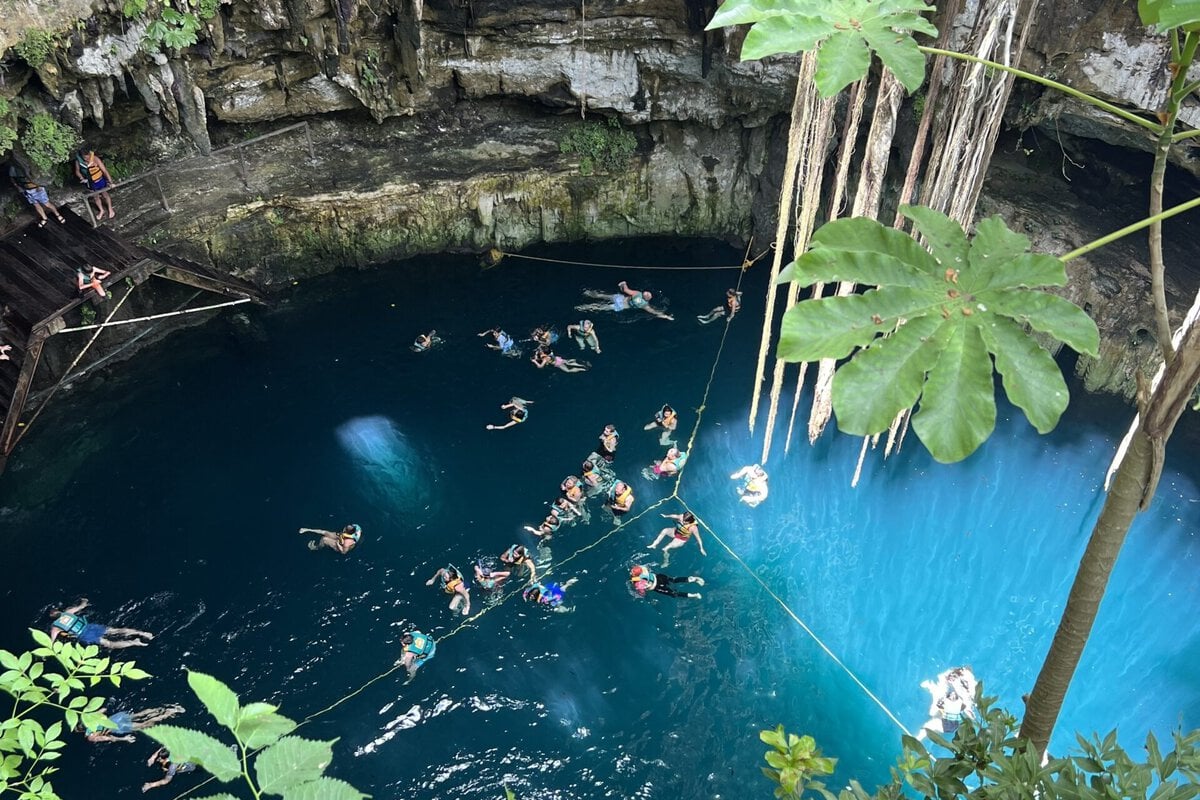
Open cenotes are exactly what the name says: open to the sky. They get full sunlight, so plants grow in and around them, and that usually gives the water a greener color. They’re comfortable and very family-friendly, especially the shallow ones: children can see the bottom, so they’re not afraid, and a shallow open cenote is the best choice for kids. Deeper open cenotes are a different story, so check the depth before you go with little ones.
Semi-Open Cenotes
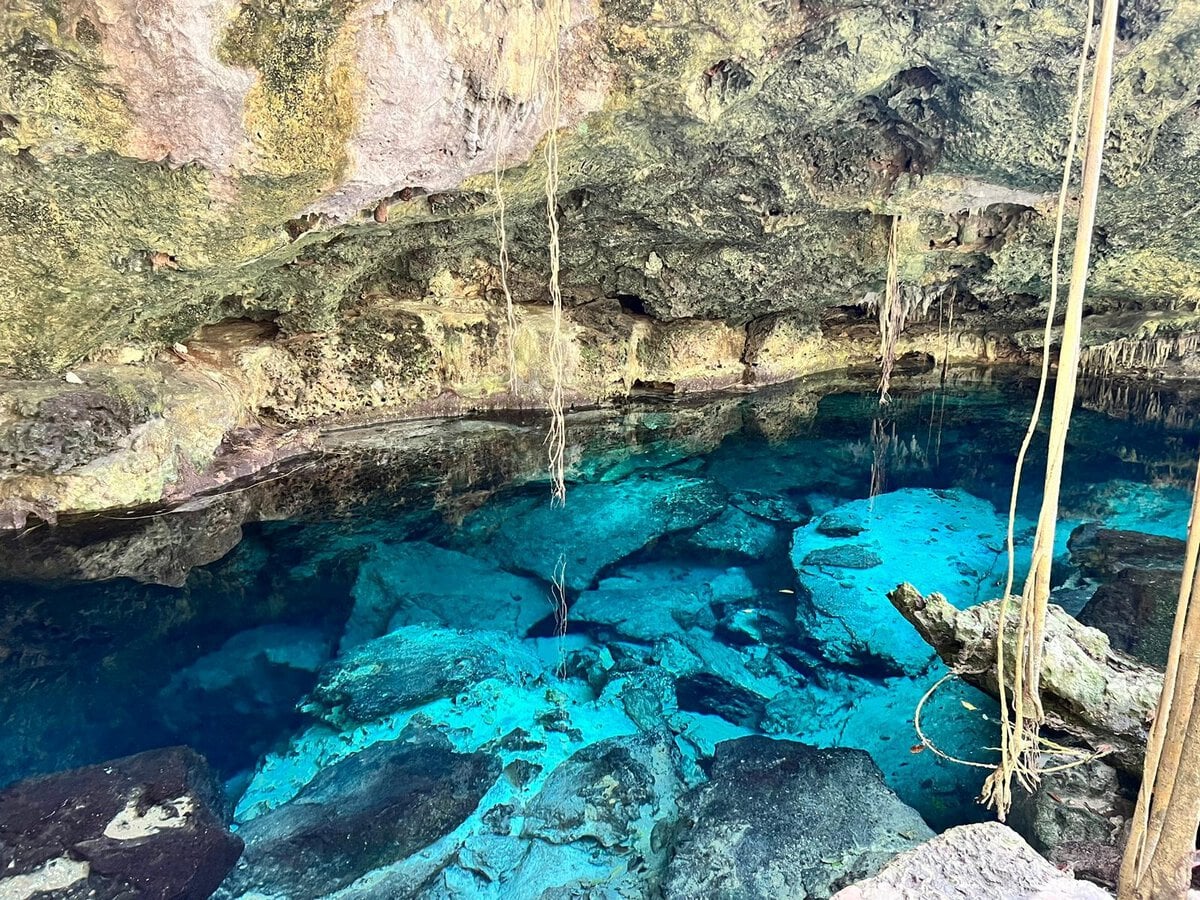
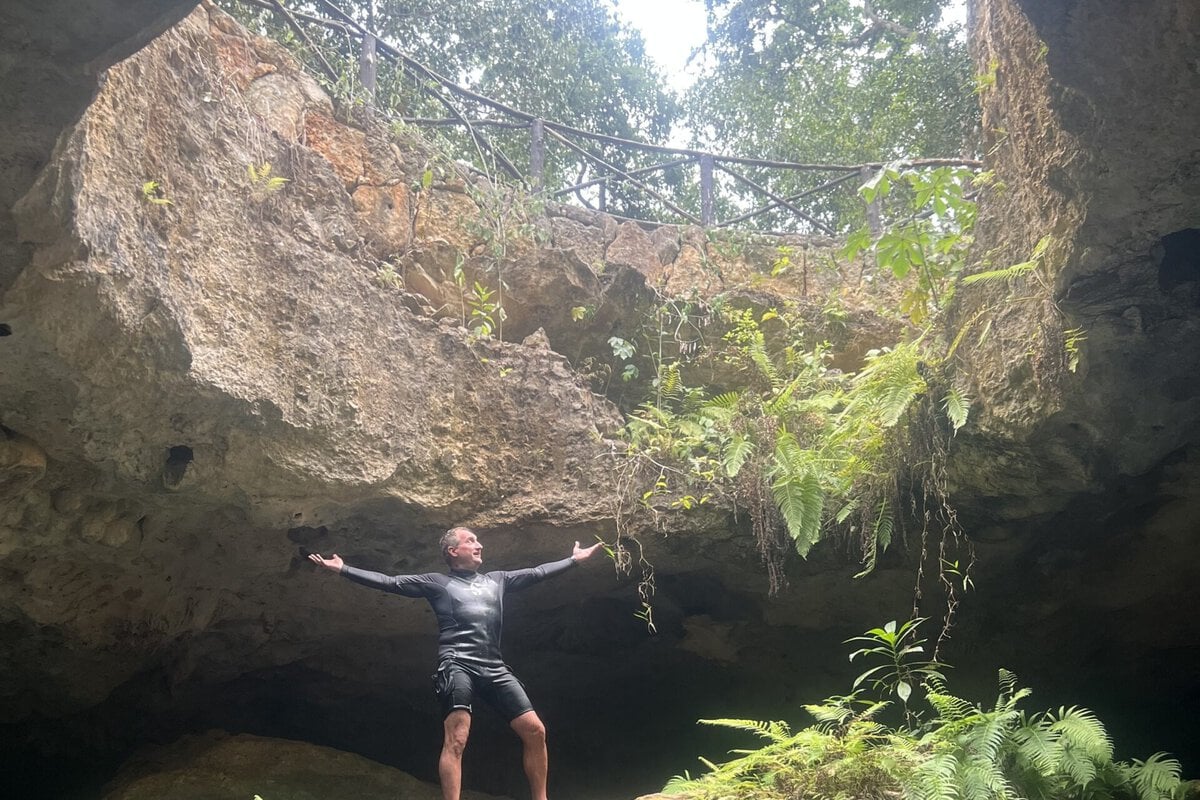
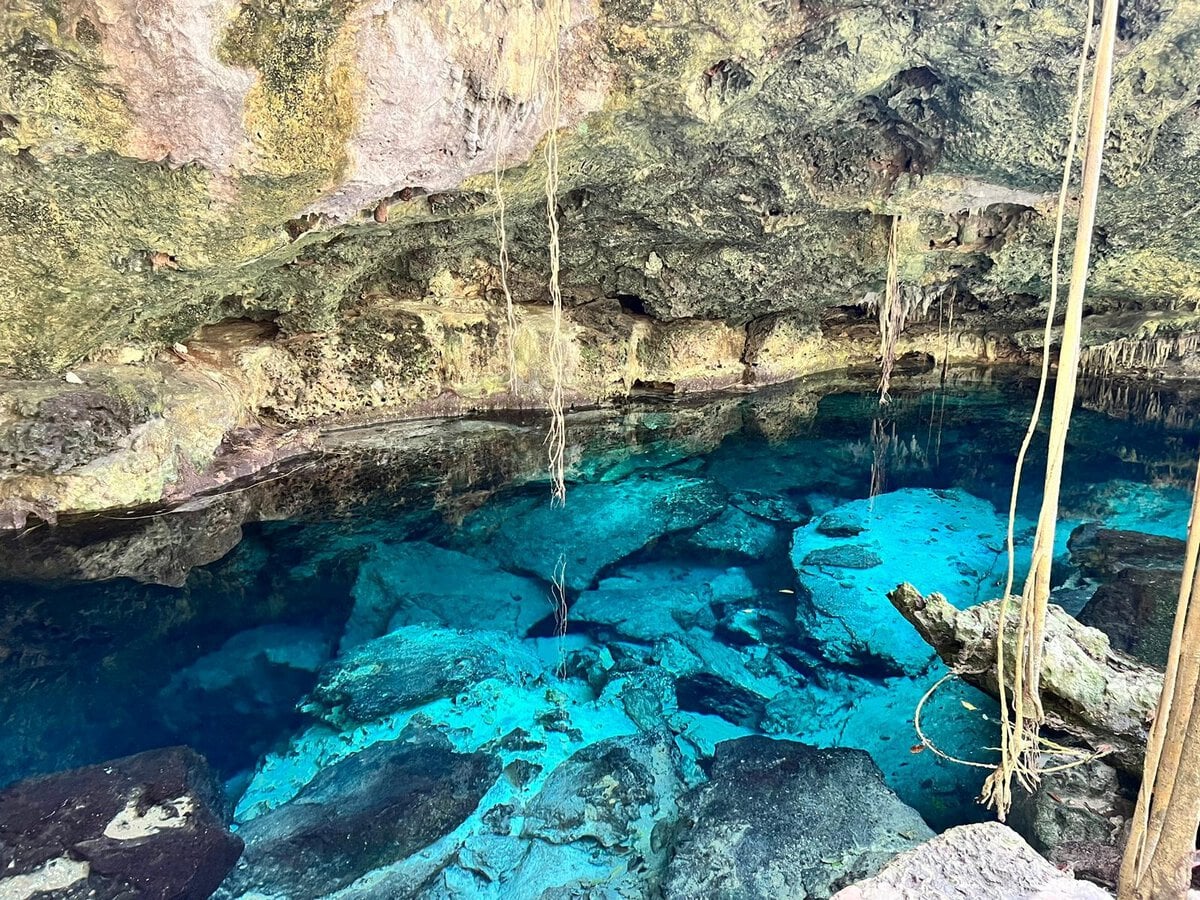
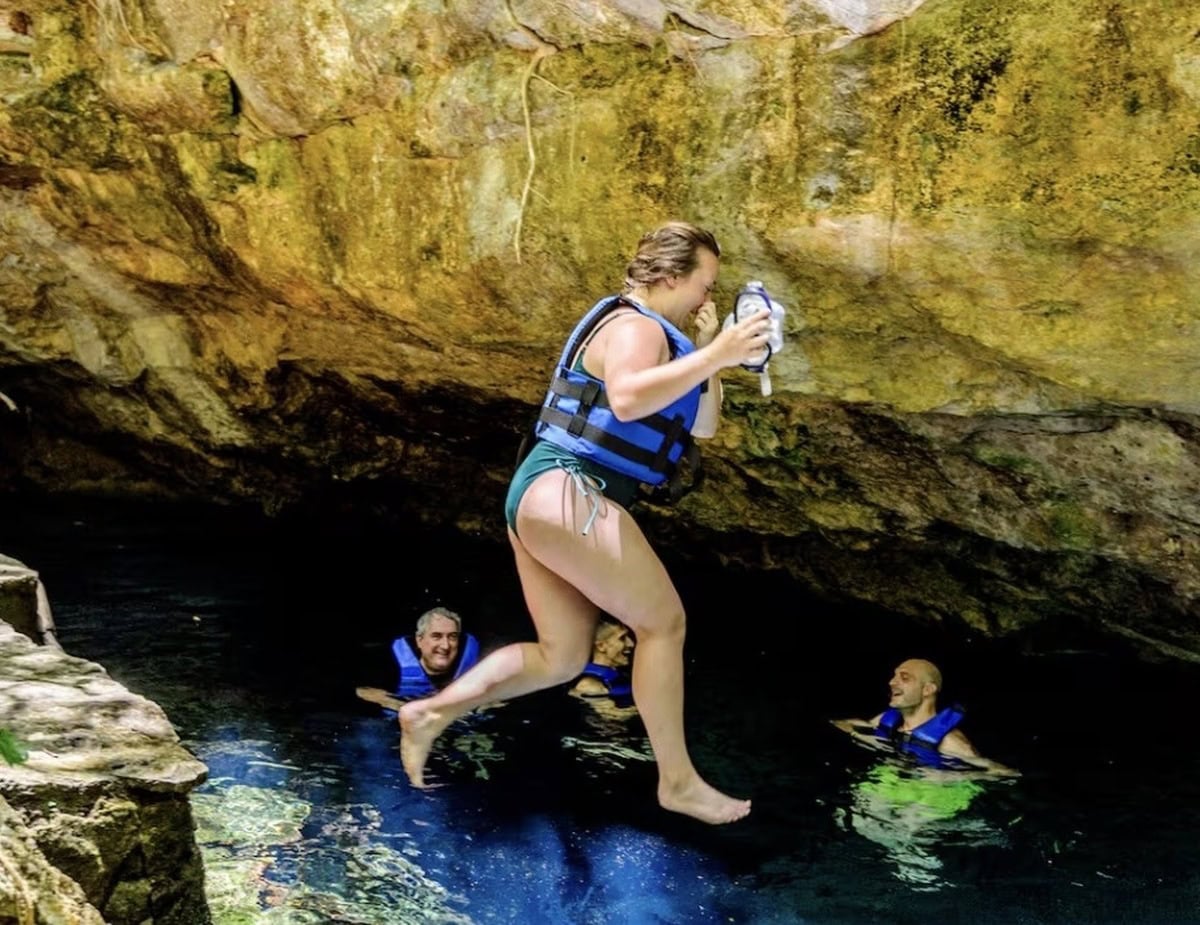
Semi-open cenotes are partly covered by rock, which protects them from strong direct sunlight. Because of that, plants don’t grow in the water itself, and the water stays completely blue and clear. These are my favorites, and they’re the kind I take my guests to. The water is so transparent that, in the shallower ones, you can see everything even without a mask.
Cave Cenotes
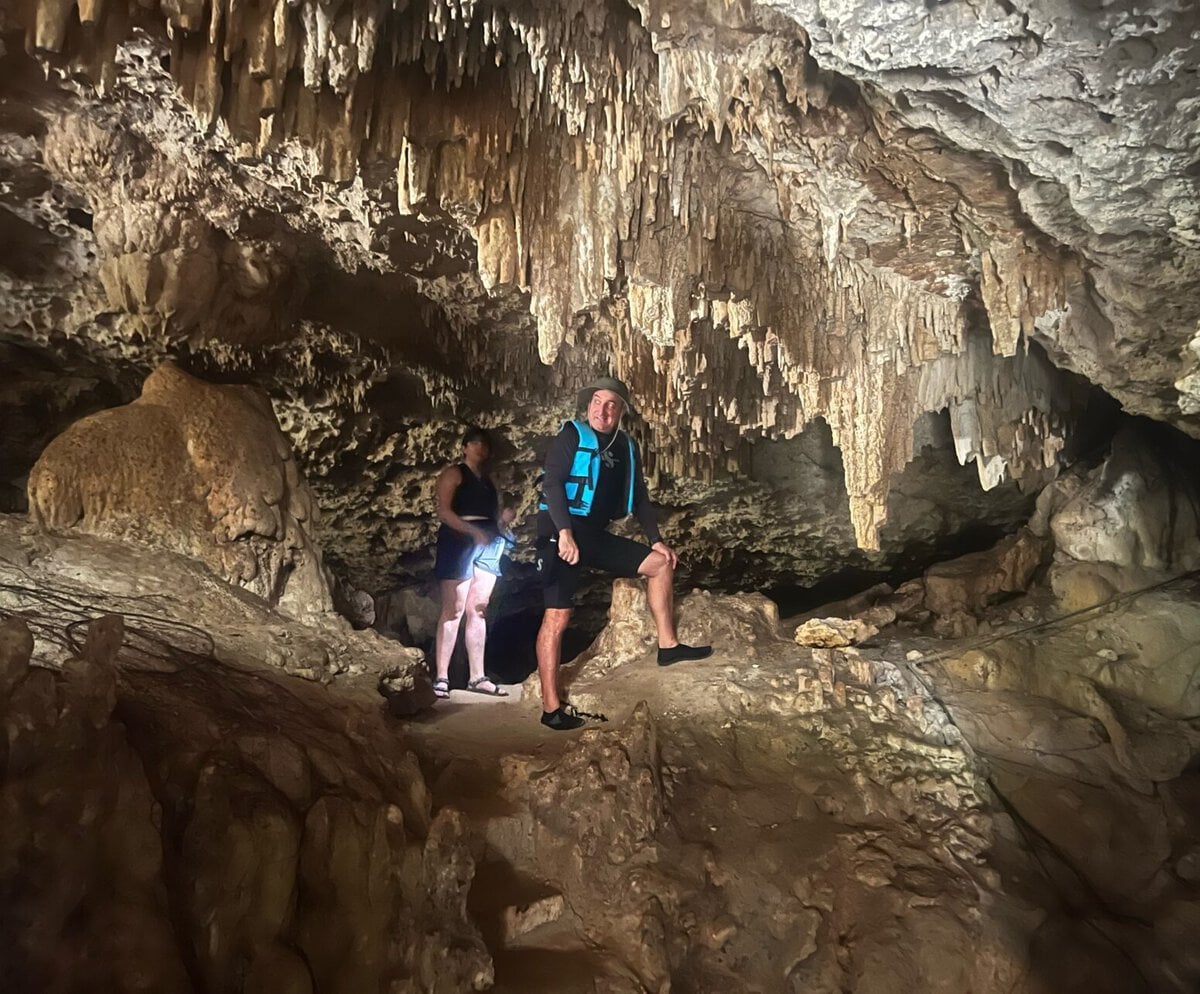
Cave cenotes are fully enclosed. Sometimes a little light enters through small openings in the rock or a narrow entrance, but most of the light has to be artificial. Some are set up so visitors can go in and swim safely. Others are reserved for cave divers, who need specialized training and full cave-diving equipment, including helmets with lights, powerful dive lights, and two tanks.
Cenote Etiquette
The first rule is simple: you’re a guest in nature, so act with respect. Look, but don’t touch. That goes for the rock formations and for the trees too. Some jungle plants, like the chechén tree, can irritate your skin, so it’s better to leave everything as you found it.
Wear a life jacket whenever it’s provided or required, and always shower before getting in, because it washes off anything on your skin that could harm the water. Skip sunscreen completely. In a semi-covered cenote you won’t need it anyway, since the rock protects you from the direct sun. If you use insect repellent, make sure it’s eco-friendly.
Leave food outside the cenote area. Water is always welcome, along with any non-alcoholic drinks, but alcohol doesn’t belong in a cenote. Respect everything you see around you, because that’s what keeps these places as beautiful as they are.
How to Find a Quieter Cenote
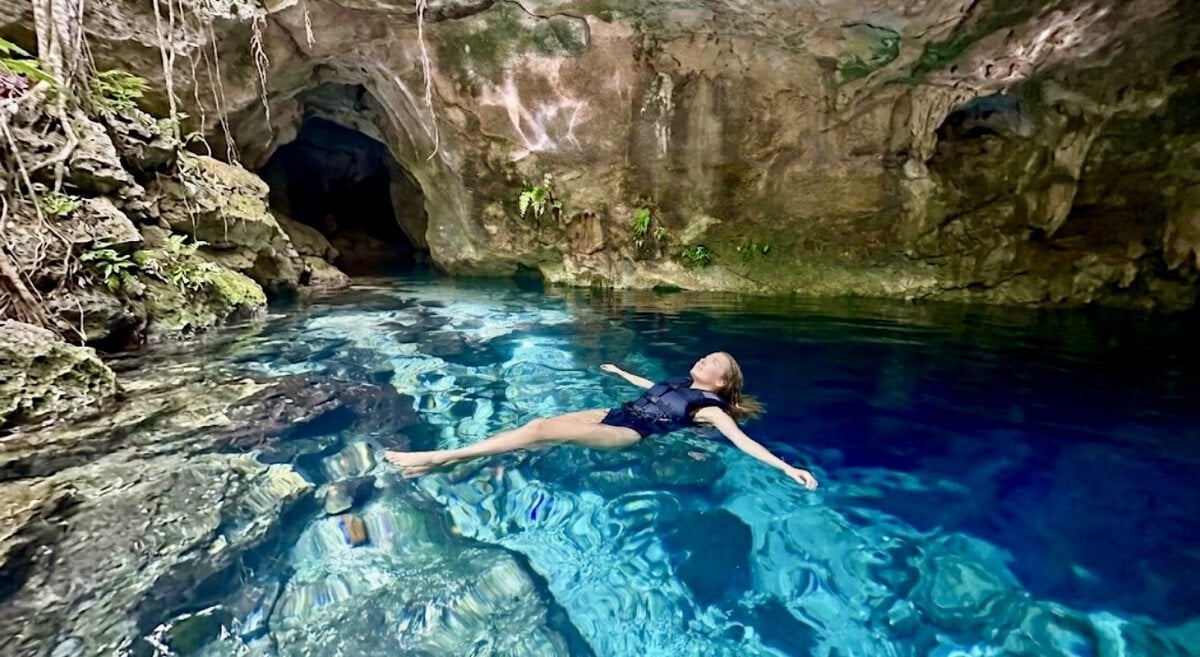
Do your research first, because the famous cenotes are where everyone goes. Look for local guides or small operators who specifically take you to less crowded cenotes.
Timing makes a big difference. Go on a weekday if you can, and arrive early in the morning. Most cenotes open by 9 a.m., some even earlier, while most visitors show up around midday and later, so those first hours are the best of the day. At well-known sites like Gran Cenote near Tulum, the crowds usually build by 10 or 11 a.m.
If you’re driving, look for cenotes that are a bit harder to reach. The ones right next to the main road are always busier, simply because they’re easier to get to.
Smaller and Privately Run Beats Famous
Here’s the rule I’d pass to any traveler: look for smaller, privately run cenotes instead of the famous ones. The famous names draw the crowds, and a crowd defeats the reason you came. A cenote is meant to be the opposite of the packed beaches you can find anywhere in the world.
Locals know their favorites, and those are rarely the ones on the billboards. Of all the places in this region, a cenote is the most private. Every beach in Mexico is public by law, so there’s no such thing as a truly private beach, but a small cenote with few visitors comes close.
My own favorites are a group of very private, semi-covered cenotes. I keep their names and locations to myself, because overcrowding is the quickest way to ruin them. If you want a similar feeling on a day trip inland, the community-run cenote on our Chichen Itza day tour works the same way.
A Proposal on a Stone Platform
One cenote visit still gives me goosebumps. I was leading a private tour for a couple, and as always I offered to take photos of them with their phone. We reached a cenote with a small stone platform in the middle of the water, and I asked them to stand there for the shot.
While I framed what I thought would be a nice picture, the man went down on one knee and pulled out a ring. I hadn’t been told a thing. My hands shook so hard I was terrified of dropping the phone into the water and missing the moment. I didn’t drop it, she said yes, and later they got married.
I’ve seen many people moved by their first cenote since then. That day reminded me why these places feel so special: they make people want to share something important.
When to Go
The cenotes are great all year round. Their water stays cool and clear in every season.
What changes is everything around them. December to April is the best time to visit the region: the humidity drops, there’s very little rain, and the wind blows from the north and keeps the beaches clean. It’s also the most popular season, especially around Christmas, New Year, and Easter, so you won’t have the area to yourself.
From May to November it’s warmer and more humid, with more rain. Showers are usually short, and it’s never cold here. You get fewer crowds and lower prices, which suits a quiet cenote visit well. This stretch overlaps with the Atlantic hurricane season, which officially runs from June 1 to November 30, so keep your plans flexible and check the forecast before you travel.
What to Bring
Most people pack swimwear and sunglasses. A few small things make a bigger difference in a cenote.
Skin and Water Protection
Sunscreen isn’t allowed in cenotes or on protected reefs because it damages the water and wildlife. A rashguard is the best way to protect your skin while swimming and snorkeling. Bring eco-friendly insect repellent too, especially for the jungle around the cenotes.
Footwear and Gear
Water shoes help on rocky entrances, cenote ladders and beaches with stones or coral. A waterproof pouch for your phone is worth having. Most phones are water-resistant, but few of us want to test that in a cenote.
Clothing for the Jungle
Light long-sleeved shirts and long pants protect you from the strong sun during the day and from mosquitoes in the evening.
Practical Information
Getting There
Many hotels and resorts include airport transfers from Cancun, so check that first. The public option is ADO, the red long-distance buses that run all day to Cancun, Playa del Carmen, Tulum, and other towns. Buses from the airport to Playa del Carmen run until close to midnight, but direct departures to Tulum are fewer and end earlier, so check the schedule before you fly. Playa del Carmen is roughly an hour from the airport, and Tulum about two. The Tren Maya also stops at Cancún Airport and Tulum, which we cover in our Mexico itinerary by bus and train.
Uber and InDrive also operate here, but check where they’re allowed to pick you up, since airports and some areas have rules about pickup points. Download the apps and book before you land, especially if you arrive late at night, when options are fewer and prices go up.
Choosing Your Base
The cenotes Riviera Maya isn’t one place, and each town has its own atmosphere. Puerto Morelos and Akumal are small and calm. Playa del Carmen suits families, couples, and more mature travelers. Tulum has parties, but also archaeological sites, wide beaches, and a strong spiritual side, especially in the jungle area away from the beach. If you’re watching your budget there, see our guide on where to stay in Tulum. For more ideas in the region, browse our Mexico travel guides.
Cenotes With Fabio and Soul Experiences Mexico
Fabio’s team runs small-group and private days to five cenotes on a private jungle property, linked by short forest trails, so you spend the day swimming instead of driving between stops.
Good to know
Pickup and drop-off are at Lara and Luca in Playa del Carmen, in an air-conditioned vehicle.
All entrance fees, a life jacket and goggles are included, so leave the sunscreen at home.
Children from 5 years can join.
5 Hidden Cenotes Jungle Experience
Price: from about €196 per adult, booked for two (checked November 2026)
Duration: about 5.5 hours
Main facts: You swim in four cenotes and visit a fifth that is kept as a sacred site, with a local guide who explains the geology, the wildlife and the Maya history along the way. The day ends with lunch back in Playa del Carmen. Tours run in English, Spanish and Italian.
One limitation: Canceling within two days of the tour costs 50% of the price, and within a day, the full price.
This section contains partner links. If you book through them, we may earn a commission at no extra cost to you. We only feature partners whose services we believe add genuine value for travelers.
Frequently Asked Questions
Do I need to be a diver to enjoy a cenote?
No. Swimming and snorkeling show you the roots, rock and light that make a cenote worth the trip. Diving adds the underwater cave systems, but it isn’t required to feel what’s special about them.
Is it better to visit a famous cenote or a small one?
I’d choose a small, privately run one. The famous cenotes draw the largest crowds, and a quiet cenote is about as private a place as you can find in the region.
Can I visit a cenote in the rainy season?
Yes. From May to November showers are usually short and the temperature stays pleasant. Cenote water stays cool and clear in every season.
Which town should I stay in to reach the cenotes?
The cenotes sit in the jungle just inland from the coast, so any of the coastal towns works as a base. Choose the town by the atmosphere you want: calm in Puerto Morelos or Akumal, family-friendly in Playa del Carmen, or a jungle retreat setting in Tulum.
Is Tulum airport better than Cancun for a cenote trip?
It can be closer, depending on where you’re staying. Compare the full cost before booking, though. Transport from Tulum airport to your hotel is often more expensive than from Cancun, so a cheaper flight can end up costing more overall.