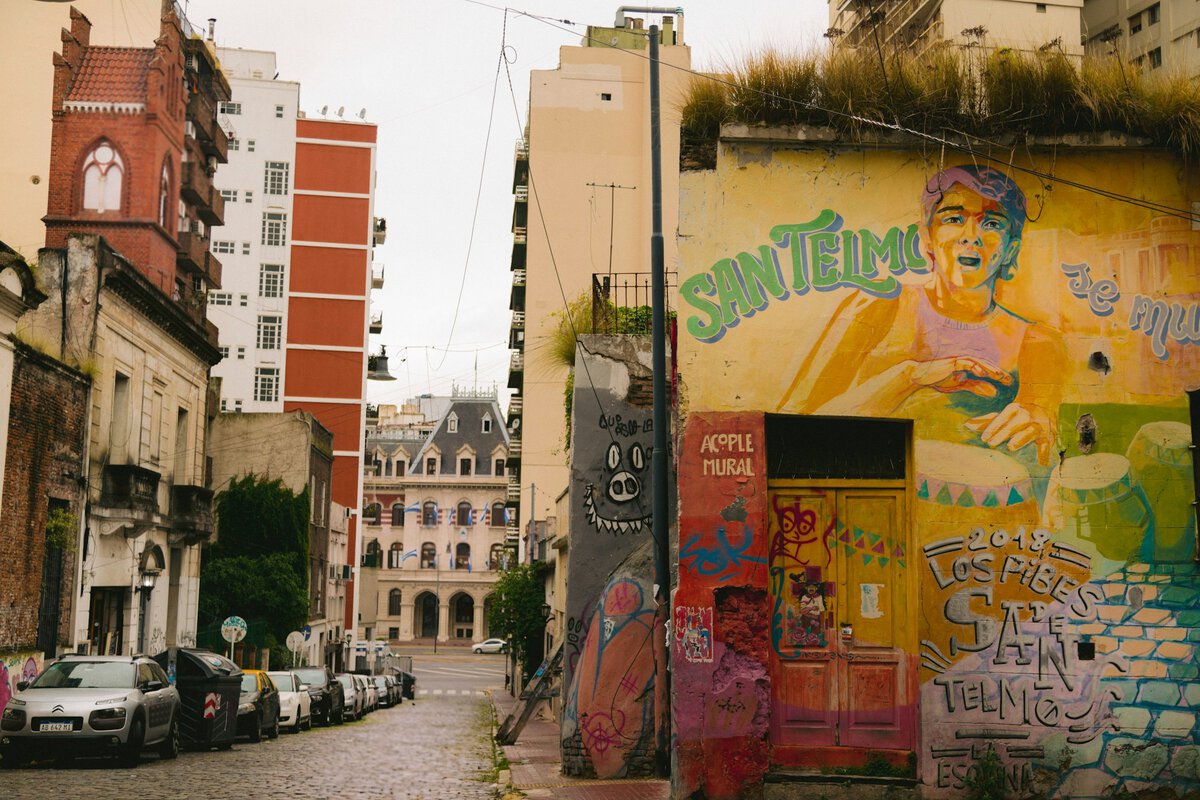
Most visitors to Buenos Aires leave with a photo of the Obelisco, a steak dinner and a line about the city looking like Paris. Chef Karl Wilder, who runs The Chef Tours, thinks that comparison misses the point. In his first weeks cooking his way into the city, the Buenos Aires that stuck was in a tiny San Telmo kitchen, where a parrillero handed a guest a strip of hot entraña and she forgot to be polite about it. This is Buenos Aires food culture as a chef reads it: a city of migrants who rewrote their recipes with whatever the port brought in that week.
Taste Buenos Aires With a Chef Who Is Still Discovering It
Karl Wilder of The Chef Tours turns the kitchens and stories in this piece into a small-group, chef-led evening called Buenos Aires Confidential. The route stays a mystery until you arrive, and the market stalls and cooks change from one night to the next.
Good to know
Group size: up to six guests
Exploration evenings: 17 to 30 November 2026, $99 per person, while the final route is still being shaped
Buenos Aires Confidential: launches 1 December 2026, listed at $179
Meeting point: confirmed by email or WhatsApp 24 hours before the evening
See dates for Buenos Aires Confidential with The Chef Tours
The City Before You Taste It
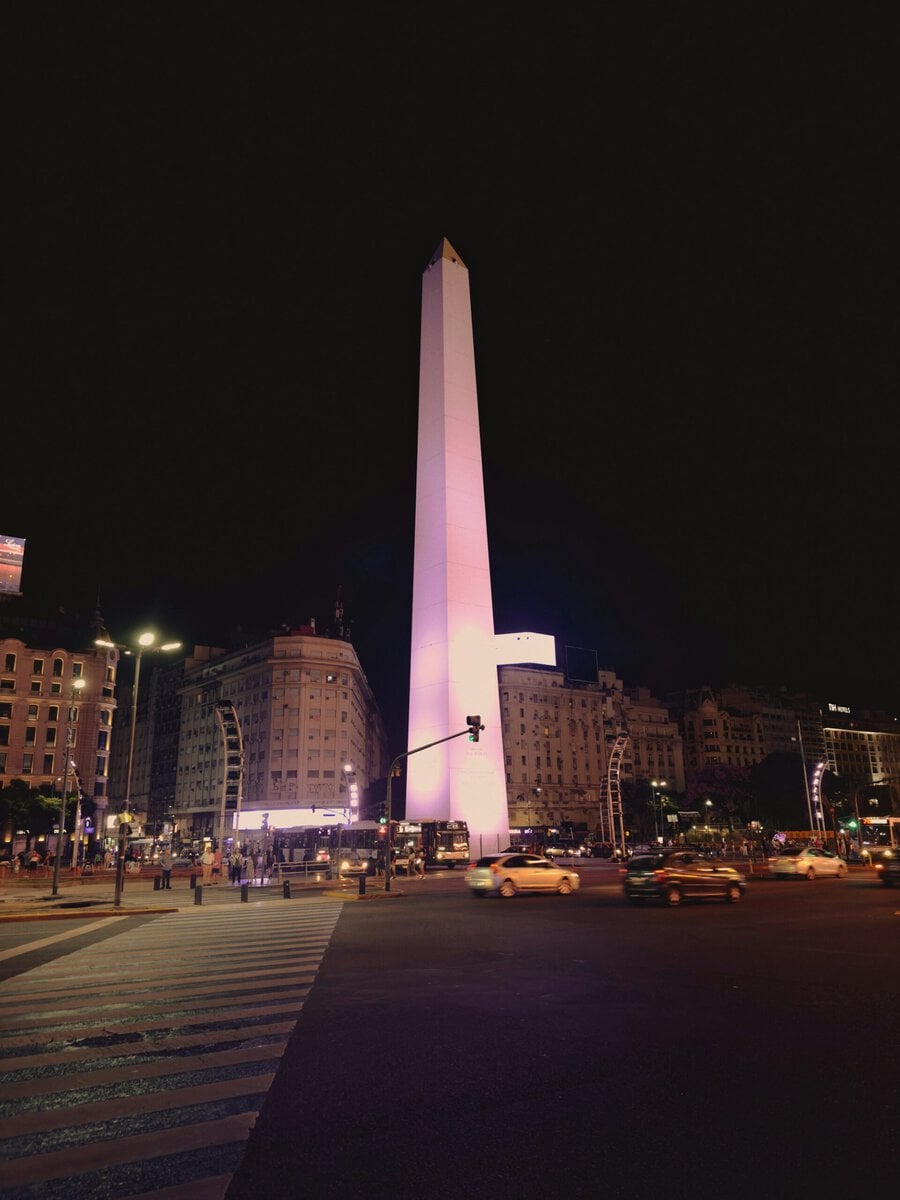
Before you get near a stove, Buenos Aires makes its case with noise and light. Stand at the Obelisco, where Avenida Corrientes meets the wide sweep of Avenida 9 de Julio, and the city seems to turn its volume all the way up. The monument rises 67.5 meters above Plaza de la República, white and needle thin, and it is almost beside the point. Buses rumble through the junction, taxis slip between them and people cross, rush, meet and disappear into the side streets.
At night the neon comes on. Theater marquees glow along Corrientes, headlights run in streams of white and red, and café chatter mixes with music from the bars. For generations of porteños, “meet me at the Obelisco” has been all the directions anyone needs. Most travel articles stop here. They photograph the intersection, eat the steak and call it a night, while the smell of grilled meat, warm bread and something sweet from a bakery a few blocks away tells you more about the city than the monument does.
Into the Kitchen
The Buenos Aires Karl wants people to meet starts somewhere much quieter. You step off cobblestones worn smooth by decades of footsteps, through a narrow doorway, and the air changes at once: wood smoke from a hidden courtyard, the earthy note of slow-roasted spices, something baking behind a closed door. The kitchen is compact and full of steam, lit by a single high window.
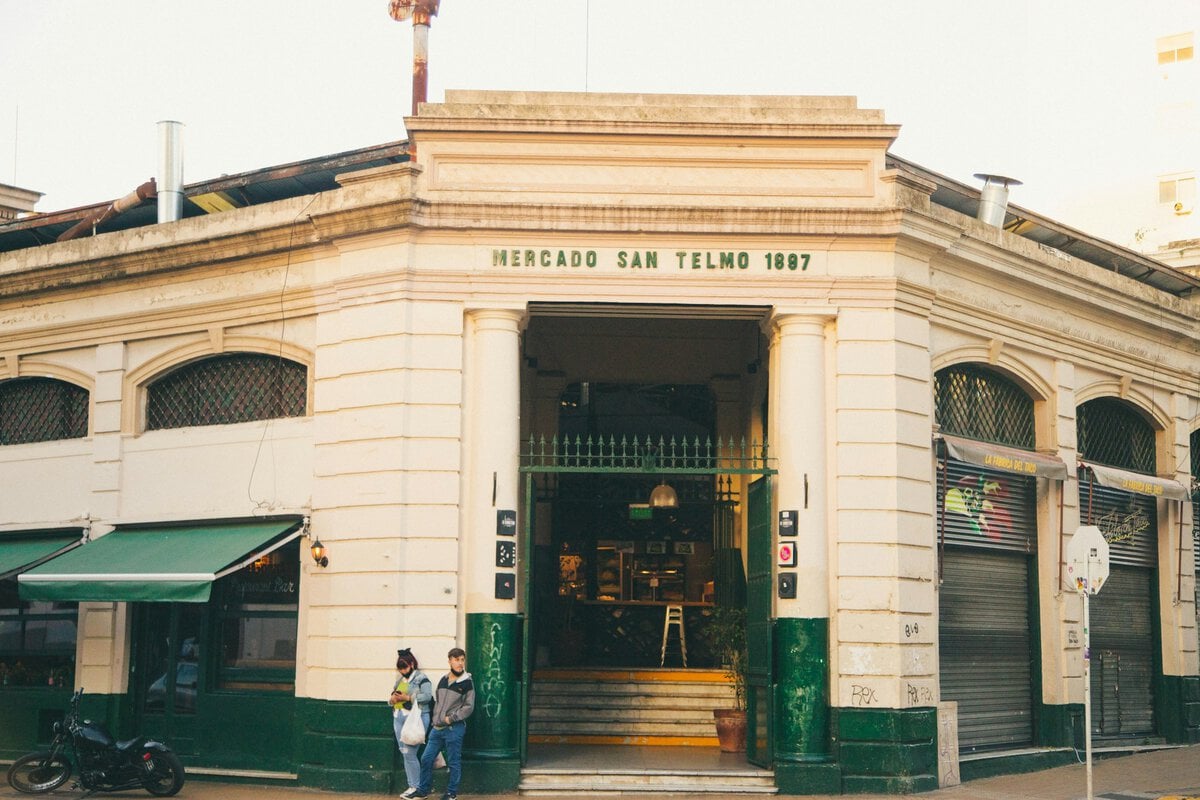
This is where the real conversation happens. A chef works with quiet precision and talks about the waves of people who crossed oceans and brought their kitchens with them. Every shared task turns into a small chapter of migration, a family rebuilding who it was one recipe at a time, and the room fills with more smoke and more story as the hours pass.
A Strip of Entraña, Straight Off the Grill
In those first weeks, Karl watched a guest stand in a tiny San Telmo kitchen, smiling politely through the market stops and the history lesson. Then the parrillero handed her a strip of hot entraña, skirt steak, straight off the grill. She tore into it with her fingers. Her face went still for a second, then lit up completely.
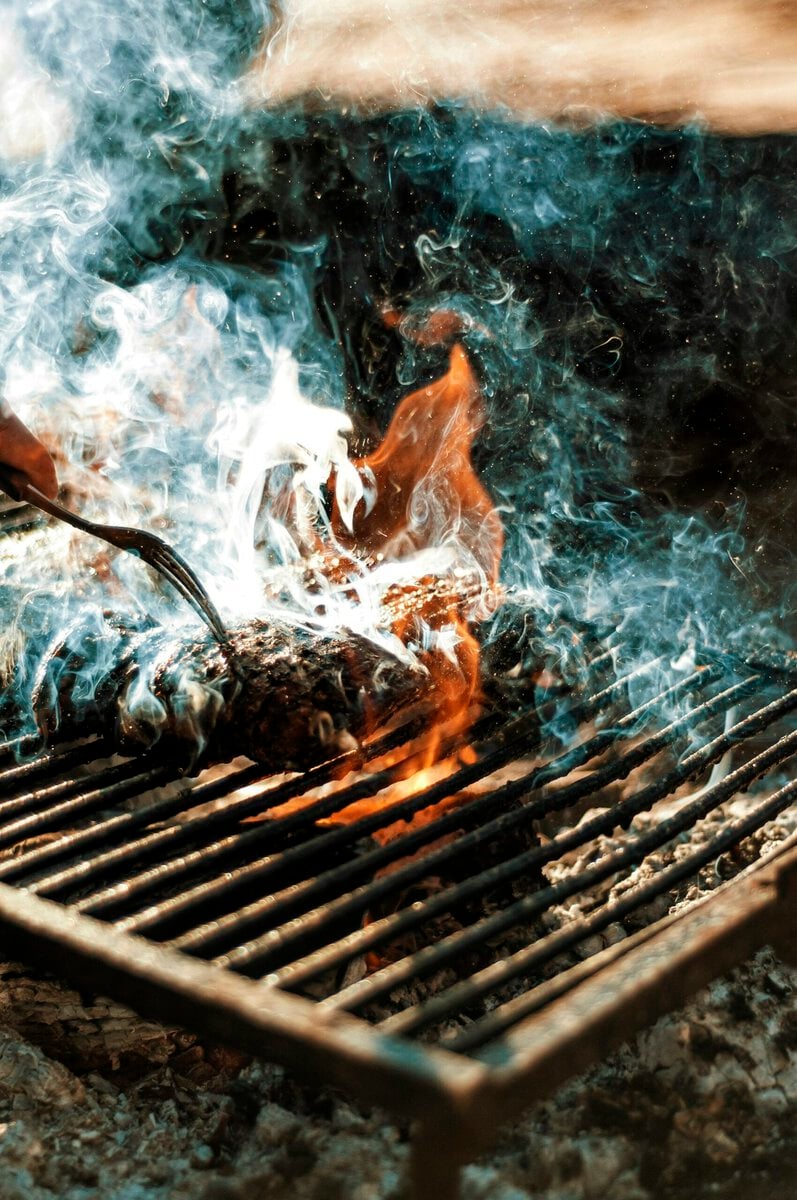
Karl’s reading of that moment is simple. Everything before it was still filtered through markets, stories and explanations. The entraña was direct contact: heat, fat, smoke and the taste of Buenos Aires with nothing in between. One bite, and the city stopped being something she was visiting and became something she felt.
The People Who Change Every Night
The cast of the evening is meant to change. Beyond Karl, guests meet local chefs and stallholders whose stories shift from night to night. One evening might bring a third-generation market vendor whose family arrived with one of the great waves of migration. The next might bring a quiet kitchen collaborator with a completely different family history. Each person adds a new thread, so no two groups walk the same route.
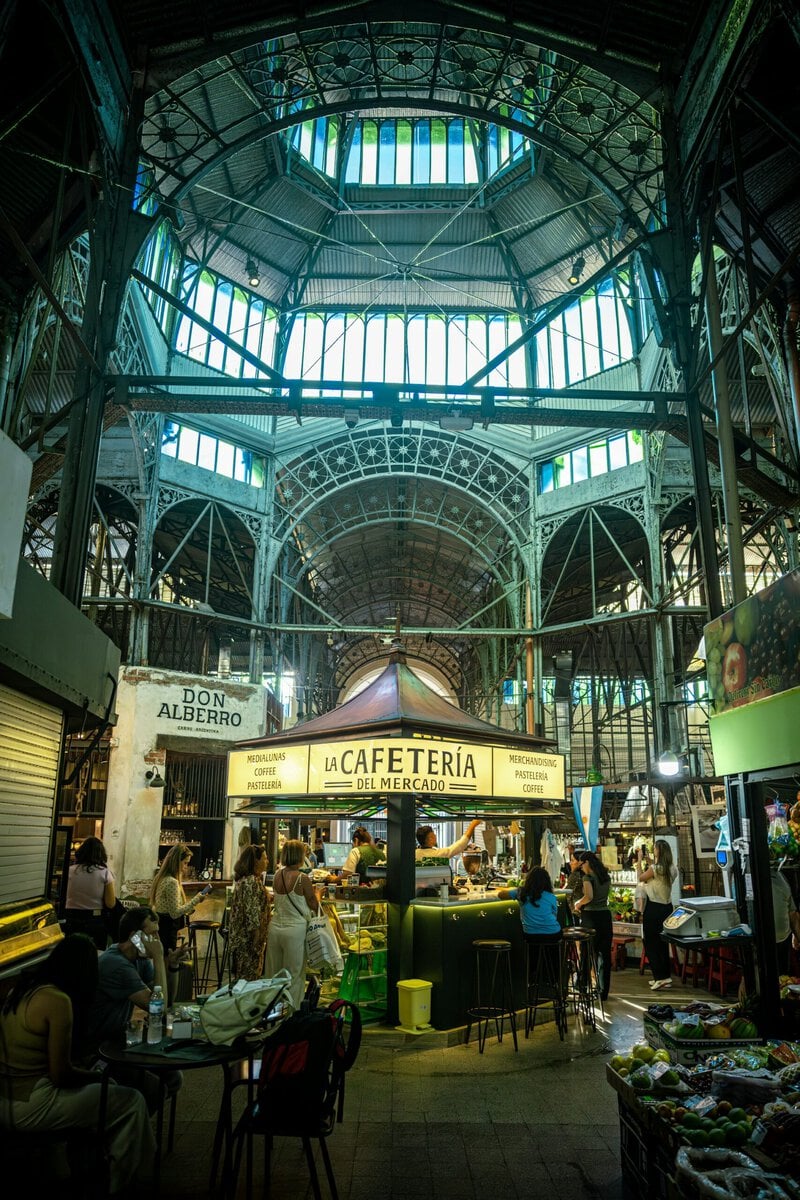
Sometimes a stallholder or a visiting chef opens a door, literal or figurative, and shares a fragment of their family’s story that nobody planned. It might come over shared work in the kitchen, or as a gesture that pulls the group into a corner of the neighborhood that was never on the route. Because the people change, that moment arrives from a different direction every time.
What Argentine Food Really Is
Karl wishes more travelers asked him one question: what is the quiet truth about Buenos Aires food that almost no visitor notices?
His answer is that most of what people call Argentine cooking was never meant to stay the same. It was invented on the move. Each wave of migrants took whatever the port and the land offered that week and rewrote the recipes they carried, so their children would still recognize home. National Geographic traces those waves, mostly Spanish and Italian, back to around 1830, and notes that more than half of Argentina’s population today has Italian heritage. The city’s own tourism board adds Arabic, Jewish, Armenian and French influences to the mix.
So the tradition here is reinvention, quiet and almost invisible. That’s why the deepest flavors in the city taste of arrival and belonging at the same time, and why sobremesa matters so much. It means the long, unhurried conversation that carries on after the plates are cleared. In Buenos Aires it is the reason people sit down together in the first place: the moment when stories of arrival, of families who crossed oceans and of kitchens rebuilt from memory finally come out.
The Moment the Evening Is Built Around
The moment Karl designs for comes late, when the kitchen light has gone soft and the family stories have been told without hurry. A guest stops moving for a second, as the weight of those journeys sinks in, and realizes the city they walked into is made of the same longing and resilience they carry themselves.
That is why he built Buenos Aires Confidential as a chef-led walk through the city’s food culture, with local characters and their stories doing as much of the work as the food. If you are planning a wider trip, our Argentina travel tips cover the rest of the country, and this traveler’s account of tango, mountains and Malbec in Argentina shows how much ground there is beyond the capital.
Practical Information
Timing
Dinner in Buenos Aires starts late. The city’s tourism board says most restaurants serve from around 8pm until after midnight, with prime time from 9:30pm on weekends. A chef-led evening runs for hours rather than a quick stop between sights, so plan nothing early the next morning. In the summer months, from December to February, the evening air stays warm and heavy long after dark.
What to Bring
Come hungry and ready to use your hands. Much of the food is torn and shared, not plated and photographed. Comfortable shoes help on the cobblestones of the older neighborhoods.
Getting Around
The Obelisco sits at the junction of Corrientes and 9 de Julio, with subway lines B, C and D stopping close by, which makes it the city’s default meeting point. The Chef Tours sends the exact meeting point the day before, and the evening moves on foot from there.
Frequently Asked Questions
Is Buenos Aires a good city for solo food travelers?
Yes. Late dinners, long tables and small-group food tours put solo travelers in the middle of the conversation. A shared kitchen is one of the easiest places to meet people in the city.
What is entraña in Argentina?
Entraña is skirt steak, a thin, well-marbled cut that cooks fast over high heat. It is a fixture of the parrilla, the Argentine grill, and is often eaten straight off the fire.
What does sobremesa mean in Argentina?
Sobremesa is the time spent talking at the table after the meal is over. In Buenos Aires it can last longer than the meal itself, and nobody rushes it.
What time do people eat dinner in Buenos Aires?
Most restaurants serve dinner from around 8pm, and the busiest hours on weekends start at 9:30pm or later. Many places stay open past midnight, so a 10pm table is normal.
Why does so much food in Buenos Aires taste Italian?
Waves of mostly Spanish and Italian immigrants arrived from around 1830 for more than a century, and more than half of Argentines today have Italian heritage. Dishes like milanesa, fugazzeta and pizza with fainá grew out of that history.
What if I have dietary restrictions on a food tour?
Tell the operator when you book. On a chef-led tour where stalls and kitchens change from night to night, the chef needs time to plan around allergies and preferences.