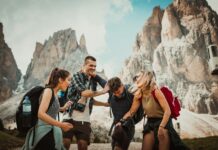
Ten years ago, a typical trip plan was flights, a hotel, and a list of things to see. That list now looks different. A growing share of travelers pack foam rollers, track their sleep across time zones, and weigh destinations partly on whether the hotel has a decent sauna.
The checklist hasn’t just expanded, it has changed shape. What follows is a look at how that shift is reshaping the way people research, book, and experience trips, and what it means if you want to plan one that actually leaves you feeling better.
Overview:
- Wellness Enters the Research Phase
- Slow Travel Replaces the Highlight Reel
- Why Wellness Tourism Keeps Growing
- The Smartphone as a Travel Wellness Tool
- Healthcare Access Has Become a Destination Factor
- What This Shift Means for Your Planning
- Practical Information
- Planning a wellness-focused trip
- Costs and access
- Frequently Asked Questions
Wellness Enters the Research Phase
Before a flight is booked, many travelers have already spent hours reading about recovery strategies, sleep support, and how to keep stress manageable on the road. Long-haul flights, jet lag, irregular eating, and the low-grade tension of moving through unfamiliar places push people to think about their bodies and minds differently than they would at home.
That research habit has expanded what travelers look up online. People exploring sleep quality and recovery routines often cross into wider health and wellbeing material, including educational resources on how various wellness approaches work in the body. Regulated platforms covering topics like what is thc and cannabinoid education sit alongside official sources such as the NHS guidance on medical cannabis, and travelers managing health conditions abroad increasingly consult both. The point isn’t any one topic. It’s the posture. Health is now something to actively support during a trip, not something to deal with only if it goes wrong.
Slow Travel Replaces the Highlight Reel
Slower, more intentional travel is one of the clearest behavioral shifts in tourism over the past few years. Where a trip once meant squeezing eight cities into ten days, many travelers now choose to stay longer in fewer places, and to actually rest while they are there.
Extended stays, nature retreats, and coastal escapes built around balance rather than constant movement are more common than they used to be. The appeal isn’t laziness. It’s the recognition that burnout is real, and that a trip structured to leave you exhausted often does exactly that. People come back from those trips needing a recovery week, which rather defeats the point.
Digital nomads have pushed this further. When your laptop comes with you, a destination’s quality of life matters as much as its attractions. Walkability, outdoor access, the pace of daily life. The result is a growing group of travelers who care more about feeling well in a place than about maximizing what they’ve technically seen.
Why Wellness Tourism Keeps Growing
Yoga retreats, thermal wellness centers, spa destinations, meditation resorts, and fitness-focused travel packages keep drawing larger audiences each year. That growth isn’t marketing-driven. It reflects real demand from people who want trips that support healthier living rather than temporarily suspend it.
Hiking, mobility classes, healthy dining, and structured recovery programs are now standard offerings at properties that would have called themselves plain resorts a decade ago. Travelers looking into restorative environments, whether coastal retreats, mountain escapes, or yoga retreats in Spain built around movement and mental reset, are choosing experiences that leave them feeling rebuilt rather than drained.
The shift also runs across demographics. It isn’t a niche interest for a particular age group or income bracket. It shows up wherever people are reassessing what they actually want out of time away.
The Smartphone as a Travel Wellness Tool
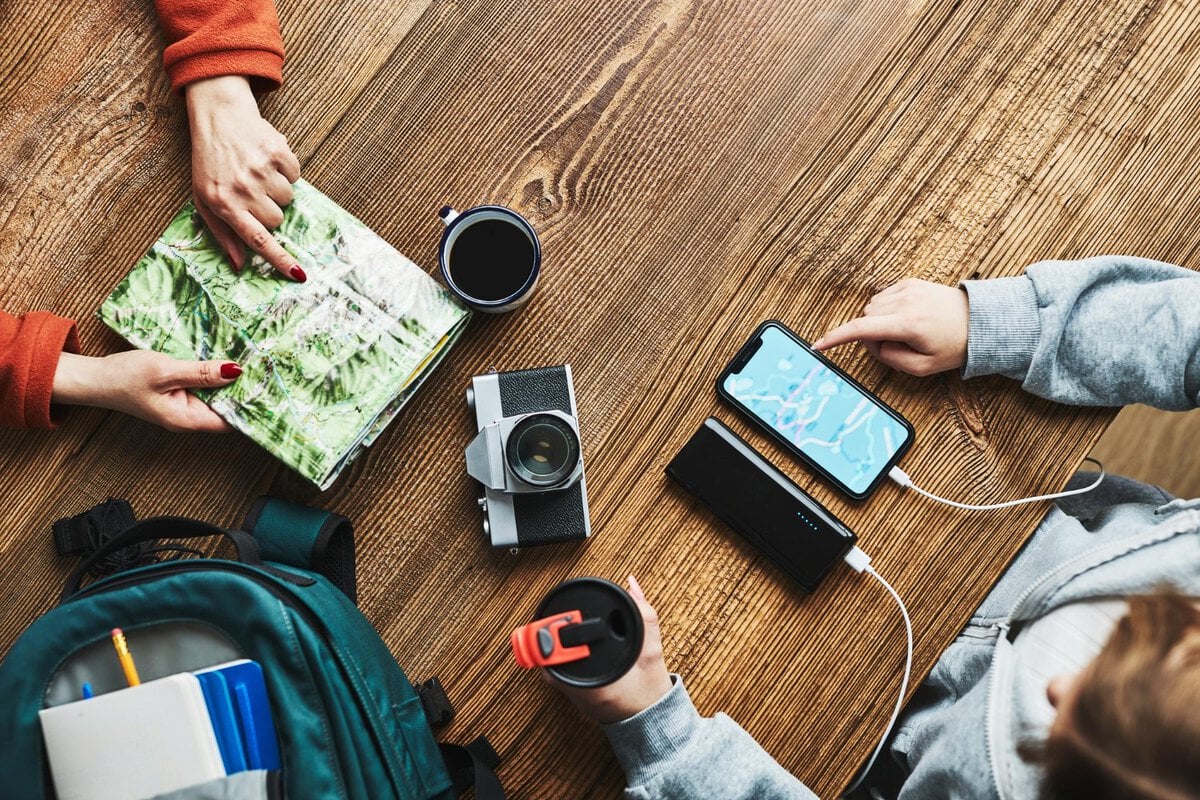
A phone is now a navigation tool, meditation guide, sleep tracker, healthy restaurant finder, and digital health resource, all at once, sitting in your pocket at the foot of a mountain or beside a pool in Lisbon. That capability is new, and travelers are using it.
Apps for hydration reminders, breathing exercises, fitness tracking, and mental wellness support have become part of how people manage their health on the road. Wearables add another layer, letting users monitor sleep quality, heart rate variability, and stress markers in real time. That kind of information used to require a clinical setting.
There’s a tension worth naming. Many of the same people who rely on these tools are also trying to reduce screen time during trips. The wish to disconnect, to leave the notification stream behind and simply be somewhere, sits alongside the real value of having health tools available. Neither pull is going away, and how people balance the two says a lot about what kind of traveler they are.
Healthcare Access Has Become a Destination Factor
Longer trips, remote destinations, and travelers managing chronic conditions or complex medication schedules have all pushed healthcare access up the planning list. Digital consultations, online pharmacies, travel insurance apps, and remote healthcare tools have moved from nice-to-have to genuinely important infrastructure for a meaningful share of travelers.
For people with ongoing health needs, whether a long-term condition, recovery from illness, or simply a wish to reach a healthcare professional reliably while abroad, this infrastructure directly shapes where they feel comfortable going and for how long.
It’s not a fringe concern. As more people travel for weeks or months rather than one or two-week holidays, and as older travelers spend more time abroad, the practical question of whether a destination offers reliable healthcare increasingly influences destination decisions.
What This Shift Means for Your Planning
The practical upshot is that the way you research and plan a trip has changed. Questions about a destination’s atmosphere, pace, outdoor access, and wellness infrastructure now compete with, and sometimes outrank, questions about landmarks and nightlife.
That doesn’t mean sightseeing is over, or that every trip needs to be a structured wellness retreat. It means that wanting to come back feeling better than when you left is a legitimate goal, and one that travel planning can actually serve, if you approach it that way from the start.
Practical Information
Planning a wellness-focused trip
- Look for destinations with easy access to outdoor space, walking routes, and nature, rather than only central tourist infrastructure.
- Stays of 10 days or longer typically allow a real shift in pace. Shorter trips can still be restorative if the itinerary isn’t overloaded.
- Accommodations with on-site wellness facilities, healthy dining options, and nearby healthcare access reduce friction considerably.
- Factor in time zones. Jet lag is a real recovery cost. If recovery is the goal, a closer destination may serve it better than a long-haul flight.
Costs and access
- Retreat pricing varies widely. More affordable options are common in Spain, Portugal, Bali, and parts of Central America. Premium spa destinations in Switzerland, the Maldives, or Japan sit at the higher end.
- Digital healthcare consultations and travel insurance with healthcare coverage are widely available, and usually reasonably priced relative to what they cover.
Frequently Asked Questions
What does wellness travel actually mean in practice?
Wellness travel is any trip structured, at least in part, around supporting physical or mental health rather than only visiting attractions. That can mean a slow-paced itinerary, staying near nature, booking a yoga or meditation retreat, or simply prioritizing sleep and downtime over packed sightseeing. There’s no minimum infrastructure required. The defining feature is intentionality about how you want to feel during and after the trip.
How is slow travel different from a regular vacation?
A regular vacation often replicates the pace of daily life in a new location, busy, full, and built around maximum output. Slow travel deliberately slows that pace, with fewer destinations, longer stays, and less scheduled activity. The goal is to spend enough time somewhere to settle into it rather than treat it as a backdrop for tourism. Travelers who try it often report lower stress and more memorable experiences than they get from destination-heavy itineraries.
What should I look for when booking a wellness retreat?
Focus on what the retreat actually delivers day to day, not how it markets itself. Look for a clear daily schedule, qualified instructors or practitioners, a manageable group size, and honest descriptions of the physical environment. Recent guest reviews help, especially the ones that say whether the experience matched the description. Some of the best-value options are small, independently run, and not heavily promoted.
How do I manage healthcare access on a longer trip?
Before you leave, check what your travel insurance covers and whether it includes digital consultations. If you manage a chronic condition or take regular medication, confirm the regulatory status of those medications in your destination country, and carry documentation from your prescribing doctor. For trips of a month or more, registering with a local general practice or identifying a nearby clinic in advance removes a lot of stress if something does come up.
Is wellness travel only for people who already have healthy habits?
No, and this is worth saying clearly. Many people choose wellness-focused travel precisely because their everyday habits have slipped and they want a reset. Being away from home, with fewer obligations and a different environment, often makes it easier to start healthier routines than trying to change them in place. You don’t need to already practice yoga or meditate to benefit from a retreat built around those things.
When is the best time to take a wellness-focused trip?
The honest answer is, before you’re fully burned out. Plan proactively rather than waiting for stress to peak. That said, shoulder seasons such as spring and autumn generally work well for wellness travel. You get fewer crowds, more temperate weather, and often better prices at retreat centers that see peak demand in summer.