
Somewhere between the security line and the third meltdown of the trip, most parents ask the same quiet question: what happens if my kid actually gets sick here? Children run fevers faster than adults, get carsick on roads that never seem to bother anyone else, and can go from fine to feverish in the time it takes to check into a hotel. Being far from your usual pediatrician makes even a small scrape feel bigger than it is.
The goal isn’t to worry before you leave. It’s to prepare well enough that if something happens, you already know what to do. The basics are the same for a city break, a beach week, a ski trip, or a two-month backpacking loop: get your health prep sorted before you go, and the rest of the trip takes care of itself.
- Start With a Pre-Travel Health Check
- Check Vaccines and Medical Requirements
- Pack a Child-Friendly Travel Health Kit
- Keep Important Medical Documents Handy
- Know When to Seek Medical Help
- Prepare for Common Travel Health Issues
- Watch Heat and Hydration Closely
- Think About Food Safety
- Know How to Find a Doctor Abroad
- Do Not Travel Without Insurance
- Final Family Travel Medical Checklist
- Frequently Asked Questions
- How far in advance should I book a pre-travel doctor’s visit for my child?
- Can babies get vaccinated before their first birthday for international travel?
- Do I need a doctor’s note to travel with my child’s medication?
- What’s different about a travel health kit for a baby versus an older child?
- Does my child need separate travel insurance if they have asthma or another ongoing condition?
Finding a Doctor while traveling in East Africa
If you need medical care and don’t know where to start, Air Doctor takes the guesswork out of finding a trusted local doctor abroad. The platform connects travelers to a vetted network of 20,000 doctors across 78 countries, with the option to book a clinic visit, home visit, or video consultation. Video appointments are available in over 21 languages, with 24/7 multilingual support if you need help navigating your options.
Travel Dudes partners with local operators and services to help you find practical support on the road.
→ Find a doctor with Air Doctor
Start With a Pre-Travel Health Check
Somewhere between the security line and the third meltdown of the trip, most parents ask the same quiet question: what happens if my kid actually gets sick here? Children run fevers faster than adults, get carsick on roads that never seem to bother anyone else, and can go from fine to feverish in the time it takes to check into a hotel. Being far from your usual pediatrician makes even a small scrape feel bigger than it is.
The goal isn’t to worry before you leave. It’s to prepare well enough that if something happens, you already know what to do. The basics are the same for a city break, a beach week, a ski trip, or a two-month backpacking loop: get your health prep sorted before you go, and the rest of the trip takes care of itself.
Ask about:
- Routine childhood vaccines
- Destination-specific vaccines
- Medication for travel sickness
- Managing allergies abroad
- What to do if your child gets a fever
- Safe dosing for common medications
- Food and water precautions
- Sun and heat protection
- Any destination-specific risks
Bring your itinerary, including countries, cities, rural areas, planned activities, and travel dates.
Check Vaccines and Medical Requirements
Kids should be up to date on routine vaccinations before international travel, and depending on where you’re headed, your doctor may recommend extras or an adjusted schedule.
Timing matters here. The CDC recommends scheduling that pre-travel visit at least a month before departure, since some vaccines need multiple doses spread out over time. If your baby is between 6 and 11 months old and you’re traveling internationally, the CDC also notes they can get one early dose of the MMR vaccine ahead of the routine 12-month schedule (Source: CDC Travelers’ Health, “Traveling with Children”).
If your child has a chronic condition or is immunocompromised, ask for guidance specific to them. Not every vaccine suits every child, and the right answer depends on age, medical history, and where you’re going.
Related read: A Traveler’s Health Guide to East Africa Safaris
Pack a Child-Friendly Travel Health Kit
A family medical kit doesn’t need to be a full pharmacy. Bring enough to handle the common minor stuff.
Consider including:
- Any regular prescription medication
- Copies of prescriptions
- Child-safe pain and fever medication
- A digital thermometer
- Oral rehydration solution
- Plasters and antiseptic wipes
- Motion sickness medication, if recommended
- Allergy medication, if recommended
- Insect repellent suitable for your child’s age
- Sunscreen
- After-sun care
- Saline spray
- Hand sanitizer
- Tweezers
- Any asthma, allergy, or eczema supplies your child uses
Keep everything in its original packaging and check the dosing instructions before you leave. If your child needs a specific medication, pack more than you think you’ll need. Flight delays and missed connections happen.

Keep Important Medical Documents Handy
When traveling abroad with kids, it’s smart to keep both digital and printed copies of key documents.
These may include:
- Travel insurance details
- Passport copies
- Vaccination records
- Prescription copies
- A list of medications and dosages
- Allergy information
- Pediatrician contact details
- A short medical summary for children with ongoing conditions
- Emergency contacts
If your child has a serious allergy, chronic illness, or specific medical need, consider carrying a doctor’s letter in English.
Related read: Healthcare in the USA: What International Tourists Need to Know Before They Go
Know When to Seek Medical Help
Parents often face the same question abroad: should we wait, visit a clinic, or go to the emergency room?
For minor issues like mild colds, small scrapes, or slight stomach discomfort, a pharmacy may be enough. Pharmacists can often help with over-the-counter products, although they cannot replace a doctor.
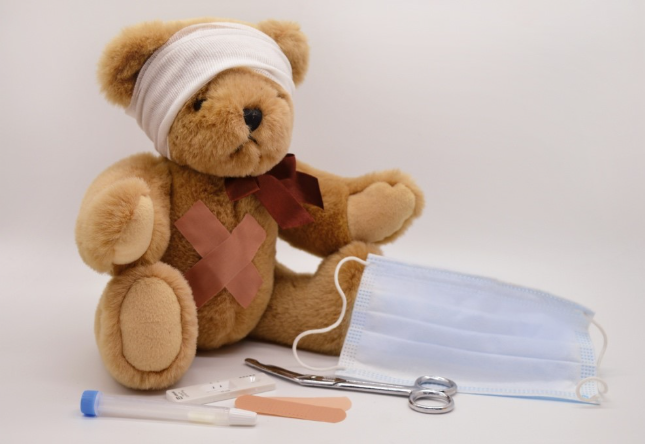
For non-emergency issues that need medical attention, such as ear pain, persistent fever, rashes, minor injuries, vomiting, diarrhea, or possible infections, a local doctor or urgent care clinic may be appropriate.
Some symptoms don’t leave room to wait and see. The CDC advises getting medical attention immediately if a child appears dehydrated, has a fever, or has bloody stools (Source: CDC Travelers’ Health, “Traveling with Children”). The same goes for:
- Trouble breathing
- Signs of dehydration
- A severe allergic reaction
- A seizure
- A serious head injury
- Blue lips or severe weakness
- Severe abdominal pain
- A high fever in a very young baby
- Confusion or extreme drowsiness
- A deep cut or heavy bleeding
Save the local emergency number before you travel. It’s different in almost every country, and it’s not something you want to be searching for mid-crisis.
Prepare for Common Travel Health Issues
Children are often more sensitive to the disruptions of travel. Long flights, unfamiliar food, time zone changes, heat, crowds, and disrupted sleep can all affect them.
Common travel health issues include:
- Jet lag
- Motion sickness
- Dehydration
- Constipation
- Diarrhea
- Ear pain during flights
- Insect bites
- Sunburn
- Minor injuries
- Fever or viral infections
Build rest time into your itinerary, especially during the first two days. Keep snacks, water, wipes, spare clothes, and basic medication easily accessible during travel days.
Watch Heat and Hydration Closely
Kids dehydrate faster than adults do, and it sneaks up fast in hot destinations, theme parks, beach days, and long walking tours.
Push water breaks even when your child insists they’re not thirsty. Watch for fewer wet diapers, a dry mouth, unusual tiredness, dizziness, a headache, or dark urine. Any one of those is a signal to stop and rehydrate.
Use shade, hats, sunscreen, and lightweight clothing, and skip the most intense outdoor plans during the hottest part of the day.
Think About Food Safety
Food-related illness can disrupt a family trip quickly. In destinations where food and water safety may be a concern, take extra care.
Helpful habits include:
- Washing hands before eating
- Using hand sanitizer when needed
- Drinking safe water
- Avoiding ice if the water source is uncertain
- Choosing food that is cooked and served hot
- Being cautious with raw foods
- Packing familiar snacks for young children
If your child has vomiting or diarrhea, focus on hydration and seek medical advice if symptoms are severe, persistent, or accompanied by fever, blood, or signs of dehydration.
Know How to Find a Doctor Abroad
For most parents, a child getting sick abroad is stressful mainly because they don’t know where to go. Check what your travel insurance recommends before you leave, and save the assistance number somewhere you’ll actually find it.
It’s also worth researching hospitals, pediatric clinics, and pharmacies near where you’re staying. For non-emergency situations, some services can connect travelers with medical professionals abroad through clinic, hotel, or video consultations, depending on where you are.
That kind of option can help if you want guidance quickly, prefer to speak with someone in a language you’re comfortable with, or would rather not spend a half-day in a waiting room for something minor.
Related read: How to Find a Doctor While Traveling Abroad
Finding a Doctor while traveling in East Africa
If you need medical care and don’t know where to start, Air Doctor takes the guesswork out of finding a trusted local doctor abroad. The platform connects travelers to a vetted network of 20,000 doctors across 78 countries, with the option to book a clinic visit, home visit, or video consultation. Video appointments are available in over 21 languages, with 24/7 multilingual support if you need help navigating your options.
Travel Dudes partners with local operators and services to help you find practical support on the road.
→ Find a doctor with Air Doctor
Do Not Travel Without Insurance
Travel medical insurance is especially important for families. Children may need care unexpectedly, and costs can vary widely from country to country.
Look for a policy that includes:
- Pediatric medical care
- Emergency treatment
- Hospitalization
- Prescription medication
- Medical evacuation
- Trip interruption
- Coverage for pre-existing conditions, if relevant
- 24/7 assistance
Save your policy number and emergency contact details on your phone and keep a printed copy with your travel documents.
Final Family Travel Medical Checklist
Before traveling abroad with kids, make sure you have:
- Checked vaccines and destination health advice
- Spoken with a pediatrician, if needed
- Packed regular medication
- Prepared a child-friendly medical kit
- Saved local emergency numbers
- Bought comprehensive travel insurance
- Saved your insurer’s assistance number
- Packed copies of prescriptions and medical documents
- Researched how to find a doctor near your destination
- Built rest time into your itinerary
Traveling with children takes extra planning, especially when it comes to health. The most important steps are simple: check vaccines, pack a practical medical kit, bring enough medication, understand when to seek medical help, and make sure you have travel insurance.
With a little preparation, you can travel with more confidence and focus on enjoying the experience together as a family.
Frequently Asked Questions
How far in advance should I book a pre-travel doctor’s visit for my child?
At least a month before you leave, according to CDC travel health guidance. Some vaccines need more than one dose spread out over several weeks, and a month gives enough room for that, or for an accelerated schedule if your trip came together fast.
Can babies get vaccinated before their first birthday for international travel?
Yes, in some cases. The CDC notes that infants between 6 and 11 months old can receive one early dose of the MMR vaccine ahead of international travel, then follow the routine schedule after their first birthday. Ask your pediatrician whether this applies to your destination.
Do I need a doctor’s note to travel with my child’s medication?
Requirements vary by country, but a short letter from your pediatrician listing the medication, dosage, and reason for it makes security screening and pharmacy visits abroad much easier, especially for anything injectable or classified as controlled.
What’s different about a travel health kit for a baby versus an older child?
For babies, prioritize oral rehydration solution, a reliable thermometer, and any prescribed medication over general supplies. Older kids can carry more of their own kit, and it’s worth adding motion sickness or allergy medication if either has been an issue before.
Does my child need separate travel insurance if they have asthma or another ongoing condition?
Not always a separate policy, but check the terms directly rather than assuming it’s covered. Many standard travel policies treat pre-existing conditions as an add-on or an exclusion, so it’s worth confirming before you buy, not after you need it.