To plan a Florida trip that feels worth the money, pick one region that matches the trip you want, travel outside the peak spring and holiday weeks, and budget for the extras that never show up in the headline price. Those are tolls, hotel taxes, resort fees and parking. Then give each day one main activity and room to breathe.
Florida is easy to get wrong. You book a cheap flight, assume the weather will cooperate and figure out the rest later. Then you hit peak pricing, packed attractions and drives that eat half a day. A smoother trip starts with knowing what kind of Florida you want before you book anything.
Start by Choosing Your Version of Florida
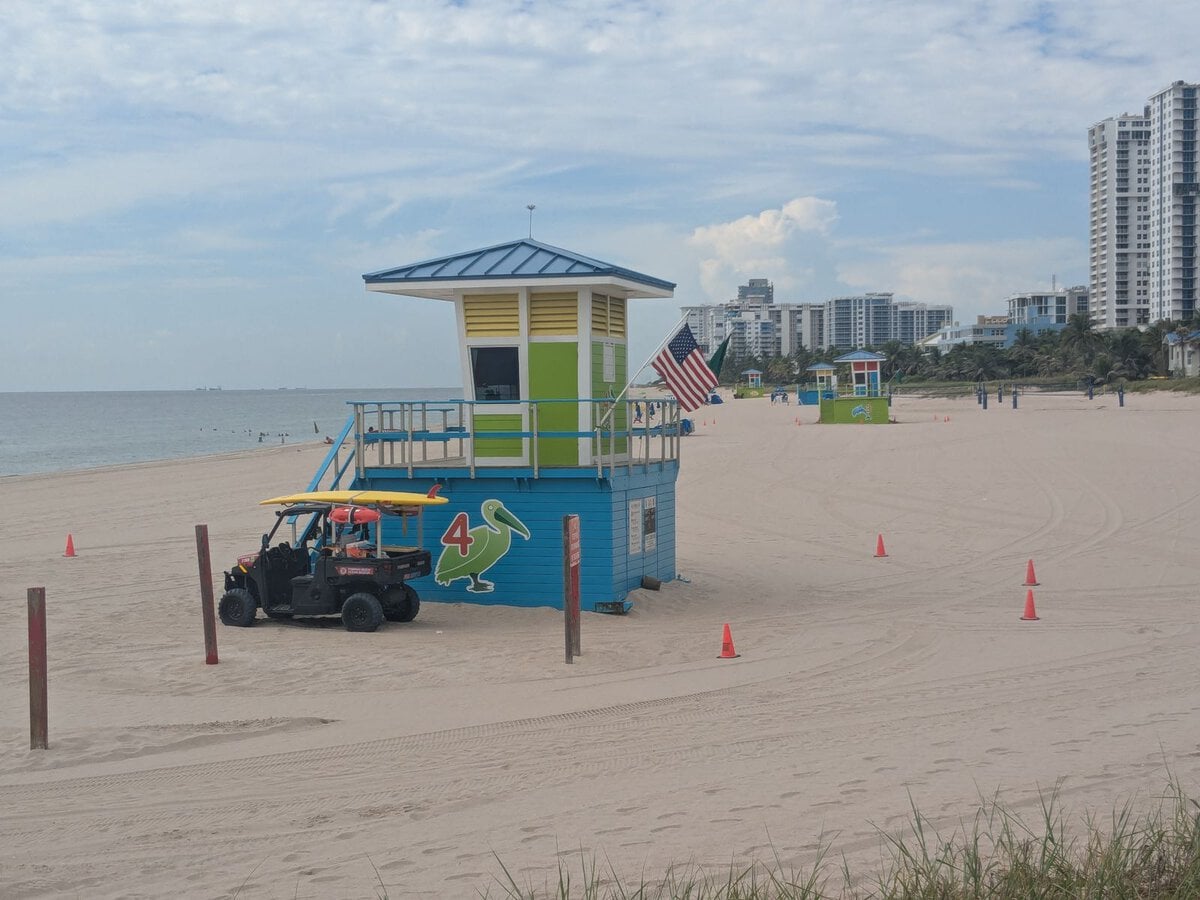
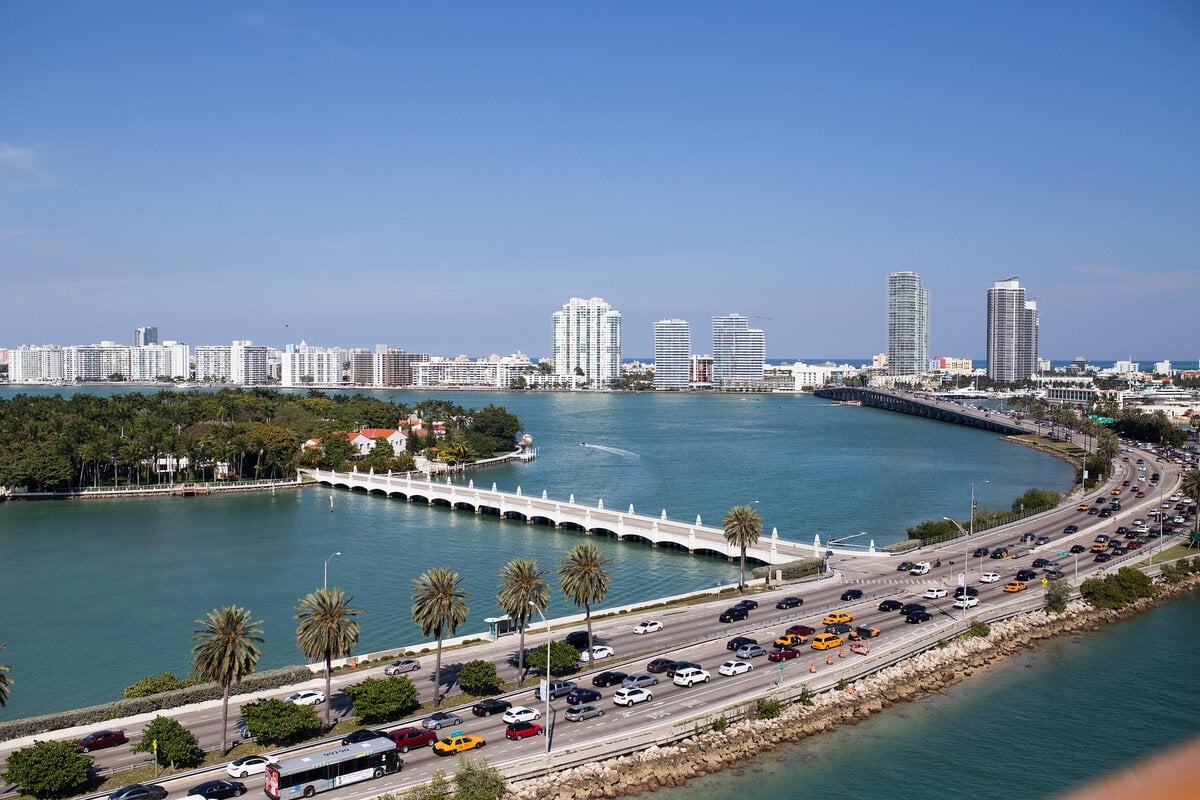
Florida is several very different trips packed into one state. Orlando means theme park logistics, resort stays and family itineraries. Miami leans into nightlife, beaches, Art Deco design and food. The Gulf Coast is slower, with soft white sand and a calmer pace. The Keys are a road trip, where the drive over the bridges is part of the point.
Start with the wrong base and your budget and mood shift fast. A beach-first trip needs different timing, transport and hotels than a week built around theme parks. Before you compare prices, decide what you won’t give up. If your main goal is downtime, don’t build the trip around a city that keeps you moving all day.

Time Your Trip Around Crowds, Storms and Price Swings
Timing decides whether a Florida trip feels efficient or chaotic. Spring break and the holiday weeks bring higher nightly rates, fuller beaches and longer waits at attractions. Summer looks tempting because school is out, but it is also the hottest, most humid stretch of the year.
Florida’s rainy season usually runs from late May to mid-October. On most days that means a short, heavy thunderstorm in the afternoon or early evening that clears within an hour or two, so plan beaches, parks and outdoor tours for the morning. Hurricane season runs from June 1 to November 30 and is most active from August through October. If you travel then, choose refundable bookings and look at travel insurance before you pay.
Late winter and the shoulder weeks of late April, early May and November usually give the best balance. It’s warm enough for the beach, with less crowding and lower rates than spring break. If you’re booking flights and accommodation together, compare package options for Florida vacations, since bundled pricing can soften those seasonal spikes.
Don’t Underestimate Travel Time Inside the State
Florida looks compact on a map, but the distances add up. Orlando to Miami is about 235 miles, three and a half to four hours by car without traffic. Miami to Key West is roughly 160 miles on a road with long two-lane stretches, so allow at least three and a half hours. Traffic around Orlando, Tampa and South Florida can turn a simple transfer into a draining half-day project.
There is a car-free option on the busiest route. Brightline’s high-speed train links Orlando International Airport with Miami in about three and a half hours, with stops in West Palm Beach, Boca Raton and Fort Lauderdale along the way. Standard fares start at $54, according to Visit Orlando.
Cluster your itinerary by region. If you’re staying in Central Florida, build around the parks, nearby freshwater springs and one or two easy day trips. If you want both Miami and the Gulf Coast, ask whether splitting the trip improves the experience or just adds a travel day. A tighter plan often feels more relaxed than an ambitious one.
Budget for the Hidden Costs
Flights and hotels get the attention, but Florida has a talent for small charges that pile up. Plan for these:
- Hotel taxes. In Orlando, a hotel room carries 12.5% in combined sales tax and Orange County’s tourist development tax. Miami-Dade comes to about 13%. Resort fees and parking usually come on top.
- Tolls. Most Florida toll roads are cashless. Rental companies bill tolls through their own programs, usually with a daily admin fee on top. A SunPass Mini transponder costs about $5 and can work out cheaper on longer trips if your rental company allows your own transponder. Check the policy at the counter.
- Parking. Theme parks, many beaches and city hotels charge for parking every day.
- Beach extras. Chair and umbrella rentals and paid beach access in some areas.
- Convenience spending. The coffee while you wait for a shuttle, a poncho during a storm, snacks bought because lunch ran late.
Build your budget in categories. Track transport, accommodation, tickets, food and convenience spending separately, because the last one grows faster than people expect. If your trip includes a resort stay, compare what’s built into the rate. Properties listed through Westgate Resorts often highlight on-site amenities that can reduce the need for constant paid outings.
Match Your Lodging to Your Daily Routine
A hotel can look great online and still be wrong for your trip. What matters is how it fits your days. If you’ll be out from morning to night, you may not need a premium room. If you’re traveling with family or friends, a suite or a villa with a kitchen can save more money than a lower nightly rate on a standard room.
How your day starts and ends matters as much as the location. On-site dining, easy parking and enough space to cool down change the feel of a Florida trip, where heat and walking fatigue stack up quickly. For a beach stay, check how close the room really is to the sand. For an Orlando stay, look past the mileage and check the actual drive or shuttle time to the parks you care about.
Plan Around One Anchor Activity per Day
Florida trips get overloaded because the options are endless. Beaches, airboat rides, outlet shopping, theme parks, wildlife tours, rooftop dinners, kayaking and live entertainment can all sit in the same region. Cramming several into one day usually means spending more, rushing more and enjoying less.
Give each day one anchor activity and keep the rest light. If your anchor is a theme park, keep dinner simple and close by. If it’s a beach day, leave room for an afternoon storm and traffic near sunset. The structure keeps the trip flexible without making it feel empty, and it protects your energy in the heat.
Treat Food Planning as Part of the Itinerary
Food in Florida ranges from forgettable convenience meals to regional cooking worth planning around. You’ll find Cuban sandwiches and cafecito in Miami, stone crab in season from mid-October to early May, fresh Gulf grouper on the west coast and polished resort dining in the main tourist areas. The problem is that hunger often hits far from the places you meant to try, which is when people overspend on mediocre food.
Map a few practical options near each day’s stops. One strong dinner plan and reliable casual choices for the rest of the day usually work better than a reservation for every meal. Eating lunch early helps you skip the lines in tourist areas. If your room has a kitchen or kitchenette, even simple breakfasts save money and protect your morning schedule.
Leave Room for Weather, Fatigue and Real-Life Changes
The best Florida itinerary is the one that still works after weather alerts, traffic and tired travel companions. Afternoon storms close pools. Heat drains motivation by midafternoon. Kids melt down, flights shift, and a beach that looked perfect online can be windy all day.
Keep one flexible block every day, even if it’s only two hours. That time lets you recover, change plans or stay longer somewhere that’s working. Florida rewards travelers who adapt, and a realistic plan is the best way to come home feeling the trip delivered what you paid for.

Frequently Asked Questions
What is the best time of year to visit Florida?
Late winter and the shoulder weeks of late April, early May and November usually give the best mix of warm weather, lower rates and smaller crowds. Spring break and the holidays are the most expensive and crowded. Summer is hot and humid, with near-daily afternoon storms.
When is hurricane season in Florida?
Hurricane season runs from June 1 to November 30, with the most activity from August through October. Most trips in that window go ahead without problems, but book refundable rates where you can and consider travel insurance.
Do I need a car in Florida?
For most trips, yes. Orlando’s theme park resorts have shuttles, and Miami Beach is walkable, but the Gulf Coast, the Keys and most day trips need a car. Between Orlando and Miami, the Brightline train is a car-free alternative.
How much is hotel tax in Orlando?
Orlando hotel stays carry 12.5% in combined tax, made up of 6.5% state and county sales tax and Orange County’s 6% tourist development tax. Resort fees and parking are charged on top by many properties.
How do I avoid high toll fees in a Florida rental car?
Check your rental company’s toll program before you drive away, since most charge a daily fee plus the tolls. On longer trips, your own SunPass transponder is often cheaper, if the rental company allows it. Planning routes that avoid toll roads also helps on shorter trips.
How many days do you need for a Florida vacation?
A week covers one region well, such as Orlando and its parks or Miami and the Keys. If you want two regions, plan for ten days or more, so you aren’t spending a large share of the trip in the car.