Standing at the edge of a Congo River expedition in Kinshasa, watching wooden pirogues disappear into what looks more like an inland ocean than a river, most travelers have no idea what they’re about to witness. The Congo is the world’s deepest river, the second-largest by discharge volume, and the spine of a rainforest that stretches almost without interruption to the horizon.
As a river operator who has guided expeditions here for years, I’ve watched the same realization cross people’s faces somewhere around the second day on the water: this is not what they expected, and it is significantly more.
- Understanding the Scale of the Congo Basin
- What the numbers mean before you get on the water
- What changes by the second day
- Life Along the River’s Edge
- The floating markets
- How the river connects rather than divides
- Wildlife Encounters in the Heart of Africa
- What you’ll see from the water
- Dawn and dusk on the water
- Navigating Rapids and Waterfalls
- The Sensory Experience of River Life
- Cultural Immersion and Human Connection
- The Emotional Impact of True Wilderness
- Practical Information
- Frequently Asked Questions
- How safe is traveling on the Congo River?
- How does a Congo River expedition compare to other African river journeys?
- Can families with children do this type of trip?
- What do meals and accommodation look like on a multi-day expedition?
- What wildlife can I realistically expect to see from the river?
- How physically demanding is a Congo River expedition?
Six Days of River, Forest, and Wildlife Outside Kinshasa
A private multi-day safari combining Congo River expeditions, Zongo and Vampa Falls, and guided wildlife drives through Nsele Valley Park and Bombo-Lumene Reserve.
➡ Private boat expedition on the Congo River with island exploration
➡ Guided wildlife safari: zebras, buffalo, ostriches, and birds across two reserves
➡ Zongo and Vampa Falls with overnight at Zongo Safari Eco-Lodges
➡ Kisantu Botanical Garden and cultural visits in Kinshasa
➡ Private 4×4 transport, English/French-speaking guide, and park entrance fees included
➡ Suitable for ages 8 and up; easy to moderate physical difficulty
Travel Dudes partners with local operators to help you book experiences mentioned in this article.
From $6,767 per person
Understanding the Scale of the Congo Basin
What the numbers mean before you get on the water
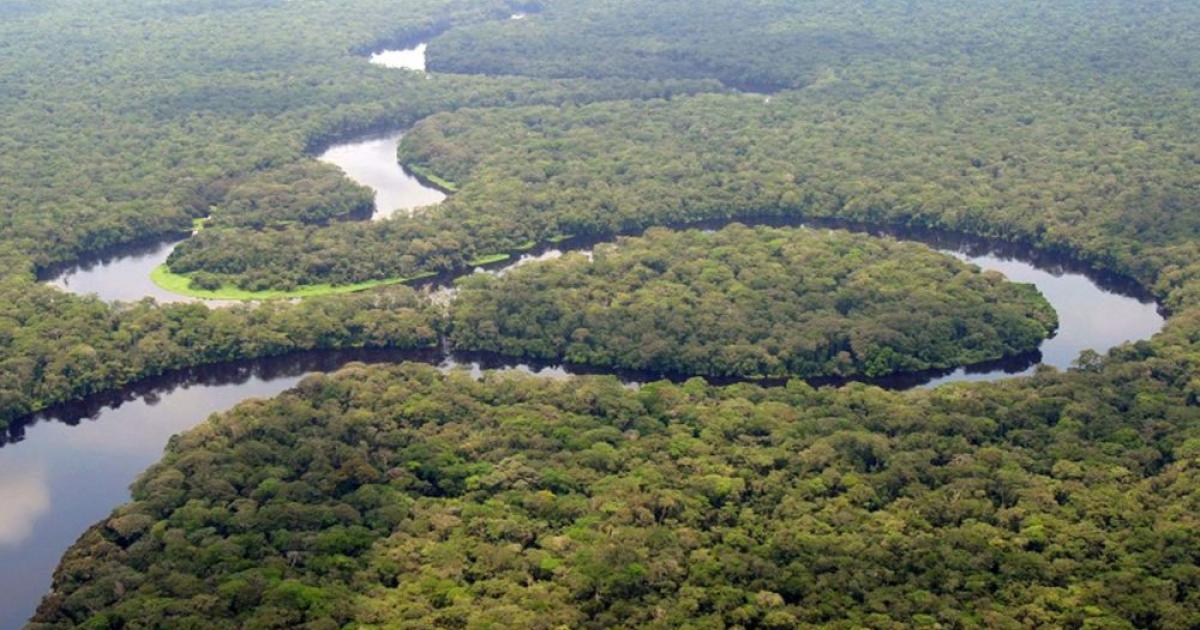
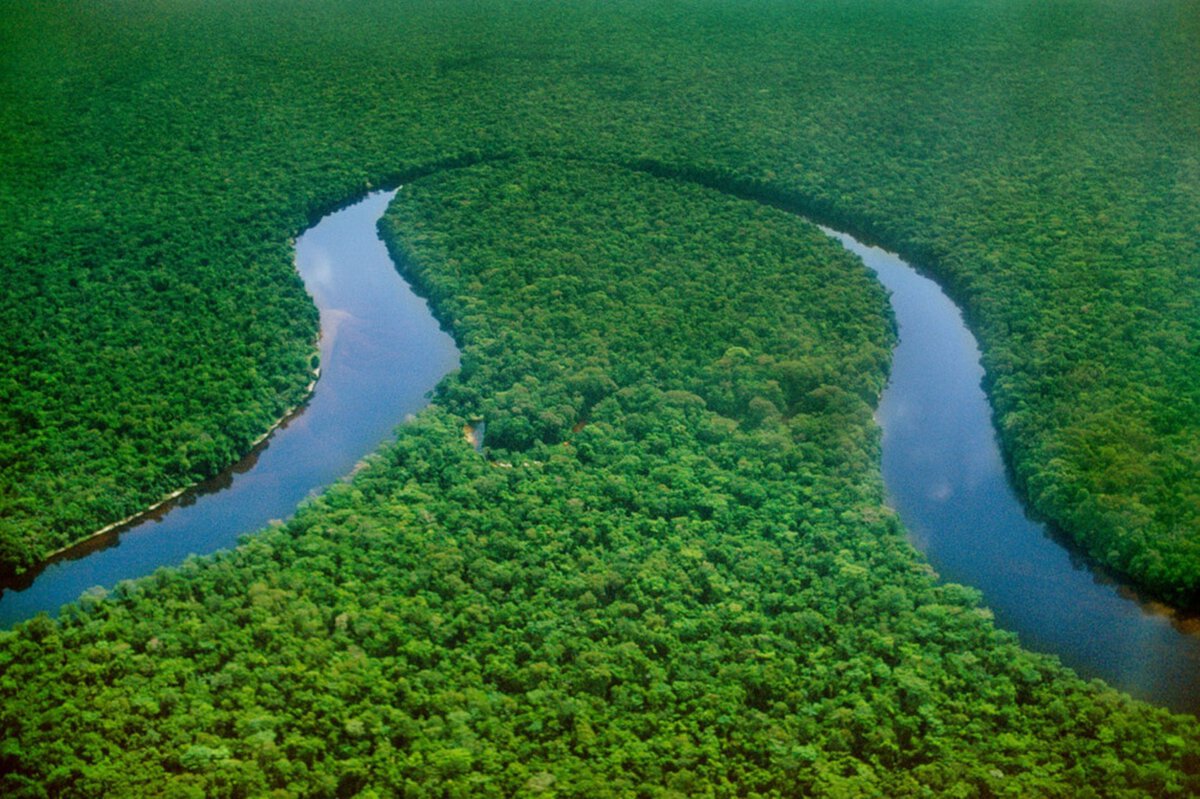
The Congo River runs over 220 meters deep in places. It moves more water to the Atlantic Ocean than any river except the Amazon. The rainforest lining its banks is the second-largest on Earth. These are facts most travelers have read before they arrive in Kinshasa. They don’t fully land until day two on the water.
What changes by the second day
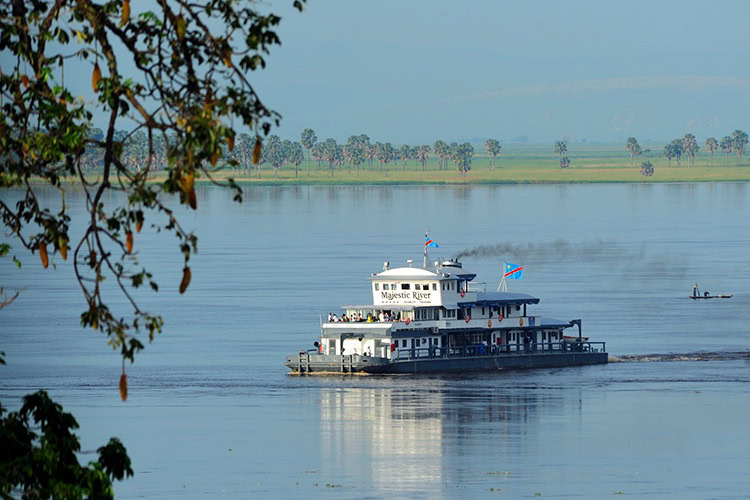
As the boat leaves Kinshasa and the city fades behind you, the river spreads so wide that the far bank disappears. Unbroken forest extends in every direction, broken only by the river’s channels and the occasional village set back between walls of green. By the second morning, the scale stops being a concept and becomes something closer to a physical condition. There is forest to the horizon, water beneath you running deeper than most buildings are tall, and no obvious end to either.
Life Along the River’s Edge
The floating markets
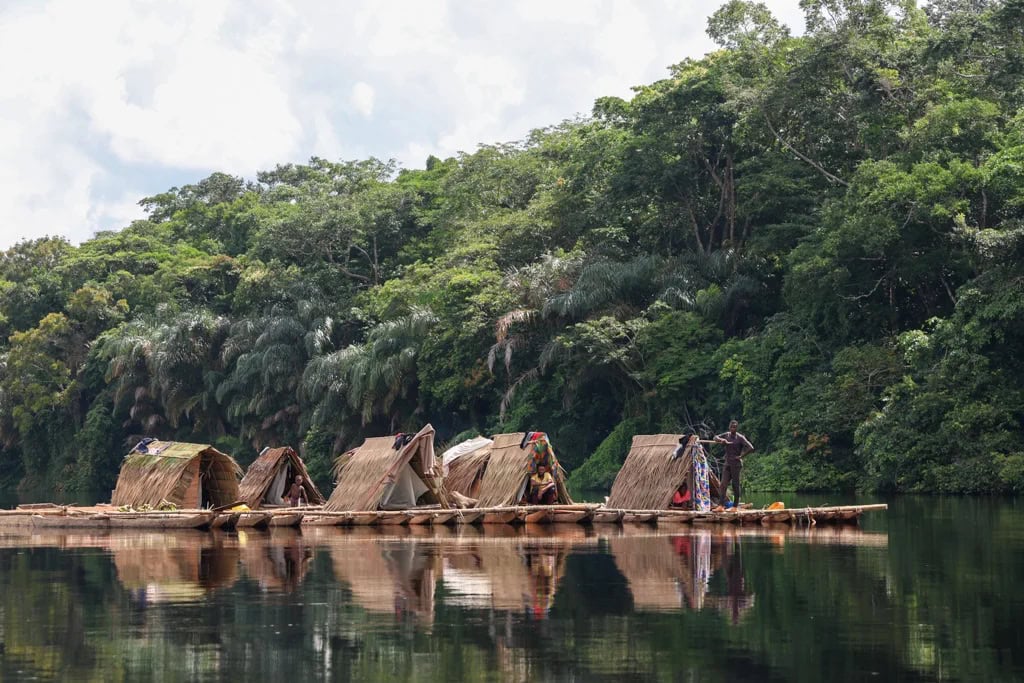
Floating markets appear at river bends without warning. Traders sell fresh fish and tropical fruits from boats lashed together mid-water, conducting commerce on the surface of a river moving millions of cubic meters per second. Children call out from riverside villages as you pass. Fishermen prepare nets and shout to one another across wide channels.
How the river connects rather than divides
A river captain I work with, who has spent decades on these waterways, describes the Congo not as a river people live near, but as one they live on. The Lingala phrase captures it precisely: Ebale ya Congo ezali lopango te, kasi ezali nzela — “The Congo River is not a border; it is a pathway.” For the communities along its banks, the water connects fishing villages to river ports, remote communities to the wider country, and generations of families to each other in ways that roads in this region rarely can.
Wildlife Encounters in the Heart of Africa
What you’ll see from the water
Wildlife appears without announcement. A quiet stretch of river fills suddenly with birds rising from the canopy. Kingfishers move fast and low across the surface. African grey parrots cross overhead. Monkeys track through riverside trees, often close enough to observe without binoculars. The Congo Basin supports species found nowhere else on Earth: forest elephants, bonobos, okapi. Most require dedicated forest excursions to encounter at close range, but even from the river, biodiversity signals itself constantly through sound and movement.
Dawn and dusk on the water
Both are worth staying on deck for. Mornings bring mist sitting on the water while the forest starts its loudest hour, birds building from a few calls to something that fills the air entirely. Evenings bring large flocks lifting from the treeline in the last light, the sky above the river briefly occupied by hundreds of birds moving together. Neither moment is reliably repeatable, which is part of what makes them register.
Navigating Rapids and Waterfalls
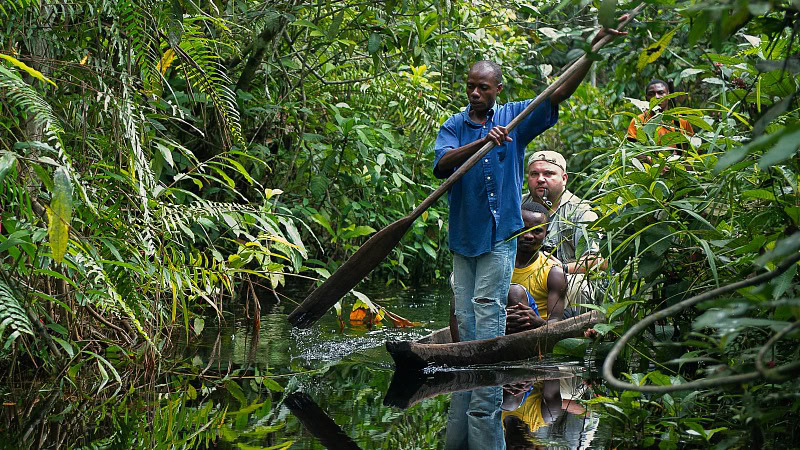
Near Boyoma Falls and the Wagenia fishing sites, the river’s force becomes physical. These are stretches where the water moves differently, where the sound changes, and where local fishermen demonstrate techniques that have been refined over generations to work with currents that would defeat modern equipment.
Watching a Wagenia fisherman navigate his position above the rapids, adjusting a suspended basket trap with the kind of precision that comes from a lifetime of reading moving water, is one of the more quietly instructive things the Congo offers. The relationship between the people and this river runs deep in both directions.
The Sensory Experience of River Life
Traveling the Congo River engages all your senses in ways few places can match. The air feels warm and humid, filled with the scent of tropical vegetation and the fresh smell of water stretching toward the horizon. Early mornings often bring coolness rising from the water, while river breezes provide comfort as temperatures reach 25°C to 32°C during the day.
The river has its own soundtrack: the rhythmic splash of wooden pirogues, fishermen calling across the water, children laughing along the banks, and birds filling the air with their calls. As evening falls, the sounds of Congolese rumba, distant drums, and conversations from riverside communities blend with the steady flow of the river.
Along the banks, you’ll smell freshly caught fish grilling over open fires, cassava leaves simmering with local spices, and tropical fruits being sold in riverside markets. Dining beside the Congo River, enjoying traditional dishes like liboké (fish steamed in banana leaves) and fresh tropical fruits, becomes an integral part of the journey.
Cultural Immersion and Human Connection
One of the most unexpected aspects of a Congo River expedition is the warmth of the people you encounter. Many travelers arrive expecting remote wilderness but are surprised by the genuine hospitality they receive from communities along the river. Spontaneous encounters, conversations, music, and invitations to share local traditions often become the most memorable parts of the journey.
Visiting remote communities accessible only by river offers glimpses into ways of life deeply connected to the water. Local guides share stories of how the Congo River has sustained their families for generations, serving as a source of food, transport, culture, and connection to the wider world.
The Emotional Impact of True Wilderness
The most profound moments often happen at sunset, when your boat drifts silently along the river and the world seems to slow down. As the sky turns shades of gold and crimson, you watch fishermen paddling home, children playing along the banks, and endless rainforest stretching beyond the horizon.
Our guests consistently tell us this is when they realize how vast, beautiful, and untouched this part of the world truly is. Standing on the world’s deepest river, surrounded by the heart of the Congo Basin, they understand they’re witnessing something increasingly rare: a place where wilderness, culture, and daily life still exist in remarkable harmony.
What stays with travelers isn’t a single attraction, but a profound sense of connection to nature, humanity, and history. Long after they return home, many remember their Congo River journey as the moment they felt both incredibly small and deeply connected to something much larger than themselves.
Practical Information
Best time to travel: The dry season, June to September, brings more comfortable temperatures and easier navigation. The Congo River runs year-round, but the rainy season (October to May) adds tropical storms and significantly higher water levels.
Getting there: Most Congo River expeditions begin in Kinshasa, reached via international flights to N’djili Airport. River journeys range from day trips to multi-week expeditions covering thousands of kilometers upstream.
What to bring: Lightweight, quick-dry clothing in neutral colors; rain gear; sun protection; insect repellent; waterproof bags for electronics; shoes that can get wet; a camera with extra batteries (charging opportunities become irregular on longer trips).
Rough costs: Day trips from Kinshasa start around $150–200 per person. Multi-day expeditions range from $300–800 per day depending on accommodation type and included activities. Local transport and meals are generally affordable once you’re on the water.
Health considerations: Yellow fever vaccination is required for entry to the DRC. Malaria prophylaxis is strongly recommended. Bring a first aid kit and any personal medications, as resupply options are limited on extended river routes.
Frequently Asked Questions
How safe is traveling on the Congo River?
River travel with experienced local operators is generally safe, though conditions on the Congo are more demanding than on most other African waterways. Captains who know the channels, currents, and seasonal weather patterns are the single most important factor. Standard safety equipment is required on all licensed river expeditions. That said, the DRC’s travel context warrants checking current government advisories before booking.
How does a Congo River expedition compare to other African river journeys?
The Zambezi, Nile, and Okavango each offer distinct experiences, but the Congo sits apart in scale. No other African river combines this depth, this volume, and this degree of intact rainforest along its banks. It’s also significantly less traveled, which shapes the character of the experience in ways that are hard to manufacture elsewhere.
DRCTourism runs a six-day private safari covering the Congo River, Zongo and Vampa Falls, and wildlife drives through Nsele Valley and Bombo-Lumene Reserve, departing from Kinshasa year-round.
Can families with children do this type of trip?
Shorter day trips from Kinshasa work well for families, and local communities along the river are welcoming to children. Multi-week expeditions are better suited to older children and teenagers given the physical conditions and variable facilities. The boat travel itself is generally gentle outside of rapids sections.
What do meals and accommodation look like on a multi-day expedition?
Meals draw on what’s available fresh: river fish, tropical fruits, and traditional Congolese dishes prepared on board. Accommodation ranges from boat cabins to camping on river islands, depending on route and itinerary. Sleeping to the sound of the river on a remote stretch is one of the things people consistently mention when they describe the trip afterward.
What wildlife can I realistically expect to see from the river?
Birdlife is reliable and varied: kingfishers, herons, African grey parrots, and larger wading birds are regular sightings. Monkeys are frequently visible in riverside trees, particularly at dawn. Forest elephants and bonobos exist in the basin but require forest excursions away from the main river to encounter at close range.
How physically demanding is a Congo River expedition?
Most of the time on a river expedition is spent on the boat. Walking through villages and visiting waterfalls requires moderate fitness, and some terrain is uneven. Longer trips can be physically tiring simply from days of heat, humidity, and variable sleeping conditions, but they don’t require athletic fitness.