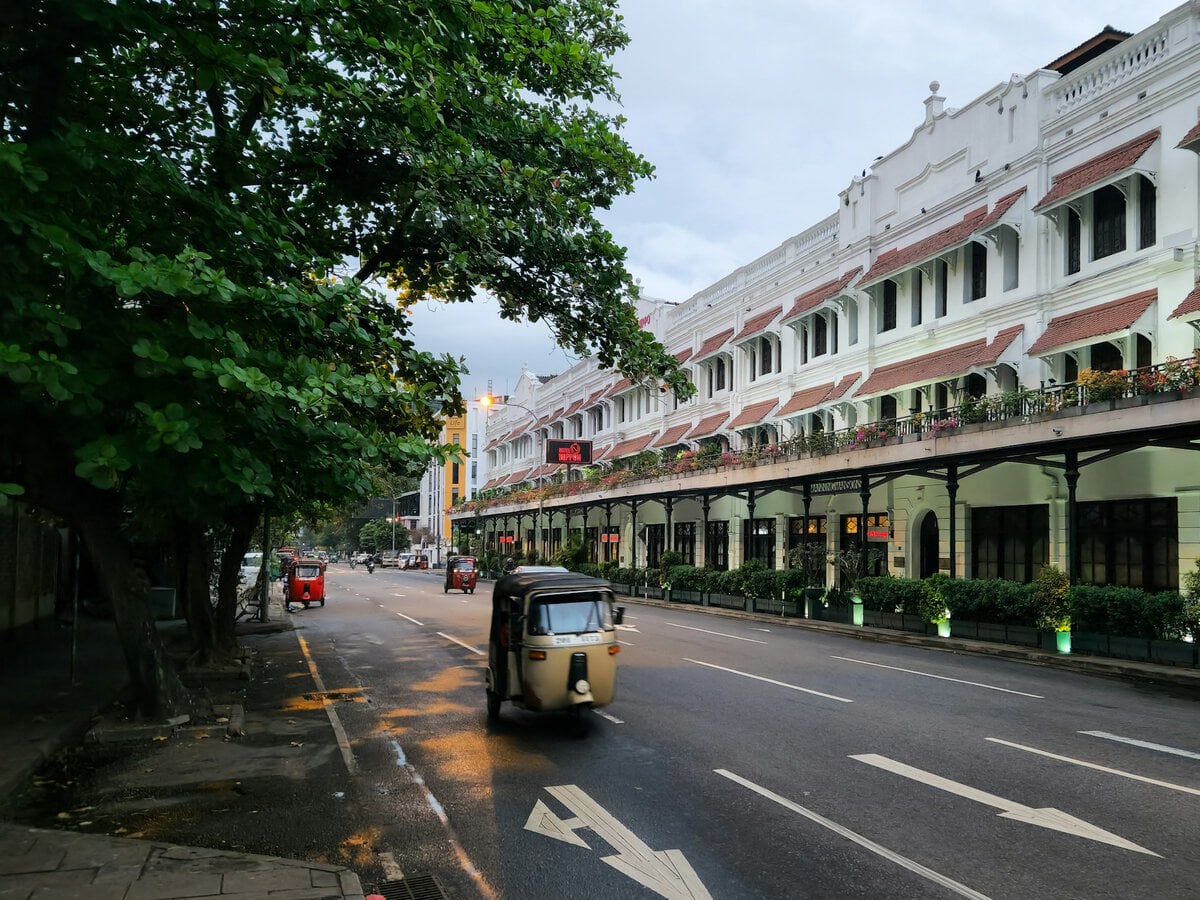
Colombo mixes street markets, colonial architecture, and coastline, and the city rarely sits still long enough to take in on foot alone. A private tuk tuk links all of it at a pace where you can stop whenever something catches your ear or your nose.
This article covers how we show Colombo by tuk tuk to our guests, with notes on reaching the city from the airport and timing your days. I stick to what I know firsthand, so check current local information on public routes before you travel.
- Why a Private Tuk Tuk Suits Colombo
- Pettah Market: Where to Start
- Galle Face Green and the Coast
- Sunday Mornings Before the Crowds
- Eating Along the Way
- Why Colombo Rewards More Than a Stopover
- Practical Information
- Getting There
- Best Time to Visit
- What to Bring
- Planning Your Days
- Frequently Asked Questions
- What’s the best way to get around Colombo?
- How long does it take to get from the airport to Colombo?
- When is the best time of year to visit Colombo?
- Is one day enough to see Colombo?
- What should I wear when visiting temples in Colombo?
- What should I eat while exploring?
Ride Colombo by Tuk Tuk: Four-Hour City Tour
The tour in this article’s spirit is a private four-hour ride with a local driver, who takes you through Pettah’s market streets, the seafront, and the temples in between, with time to stop where something catches your eye.
On the route
Pettah: Crowded market streets and the Colombo Red Mosque (Jami Ul-Alfar Masjid), built in 1908.
Lotus Tower: South Asia’s tallest self-supported structure, opened to the public on September 15, 2022.
Galle Face Green: A 5-hectare ocean-side park laid out in 1859, now a public promenade.
Temples and colonial landmarks: Buddhist and Hindu temples, plus a Dutch colonial-era church and the old Parliament building.
Travel Dudes partners with local operators to help you book experiences mentioned in this article.
CHECK AVAILABILITY
Why a Private Tuk Tuk Suits Colombo
The city’s best moments sit in different corners. A market is in one place, a stretch of seafront in another, and the temples somewhere between.
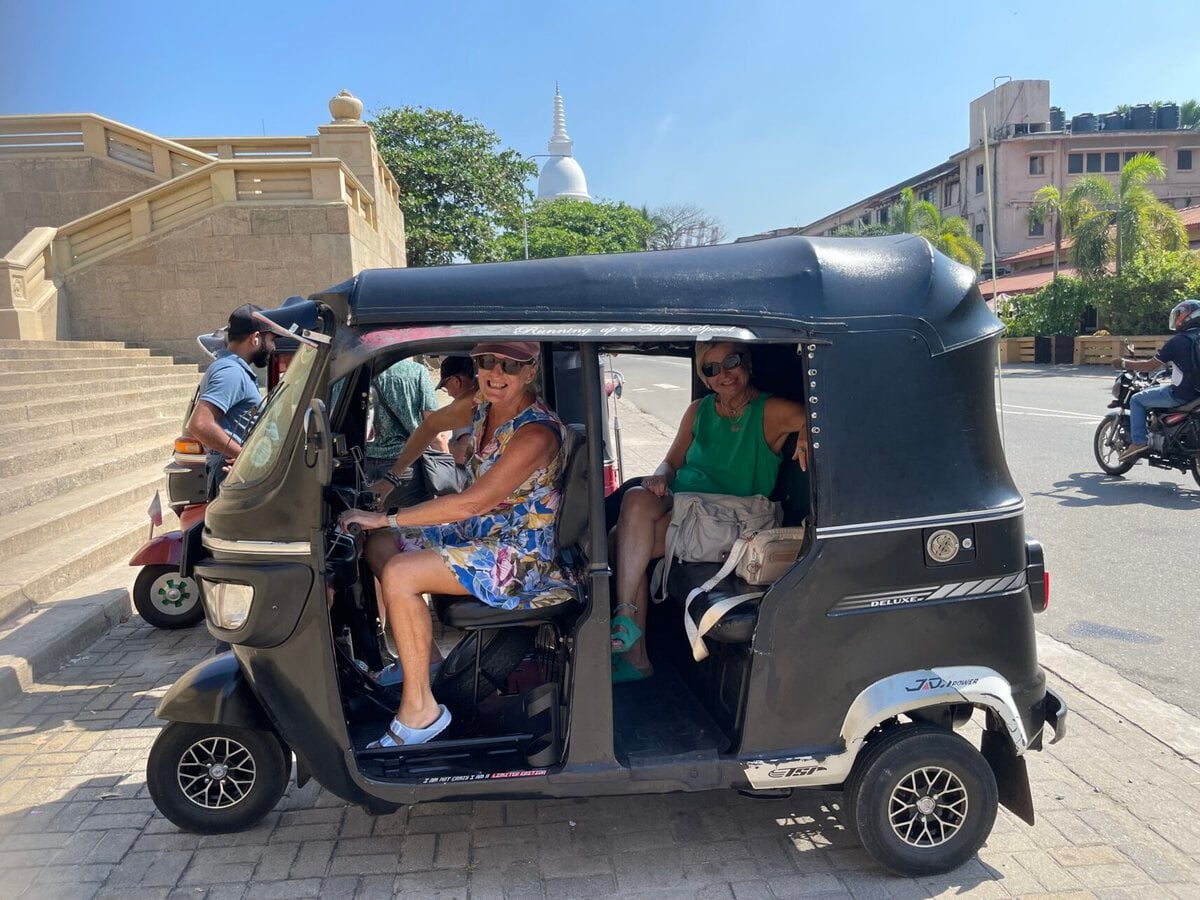
A private Colombo tuk tuk connects them without a fixed timetable, so you can linger where something holds your attention and move on when it doesn’t. It also changes who you meet. You’re not rushing for a connection, so a conversation with a vendor or a stop for food costs you nothing.
Pettah Market: Where to Start
If you only have time for one stop, make it Pettah Market. It’s an authentic slice of local life, and the best way to understand the city’s rich culture is to walk through it slowly.
Our guests often arrive with cameras out. A couple from Berlin joined us for a market walk and, by the second hour, they had stopped photographing and started talking to the vendors. Nobody planned that. It happened because they had time, and the market rewards time.
Galle Face Green and the Coast
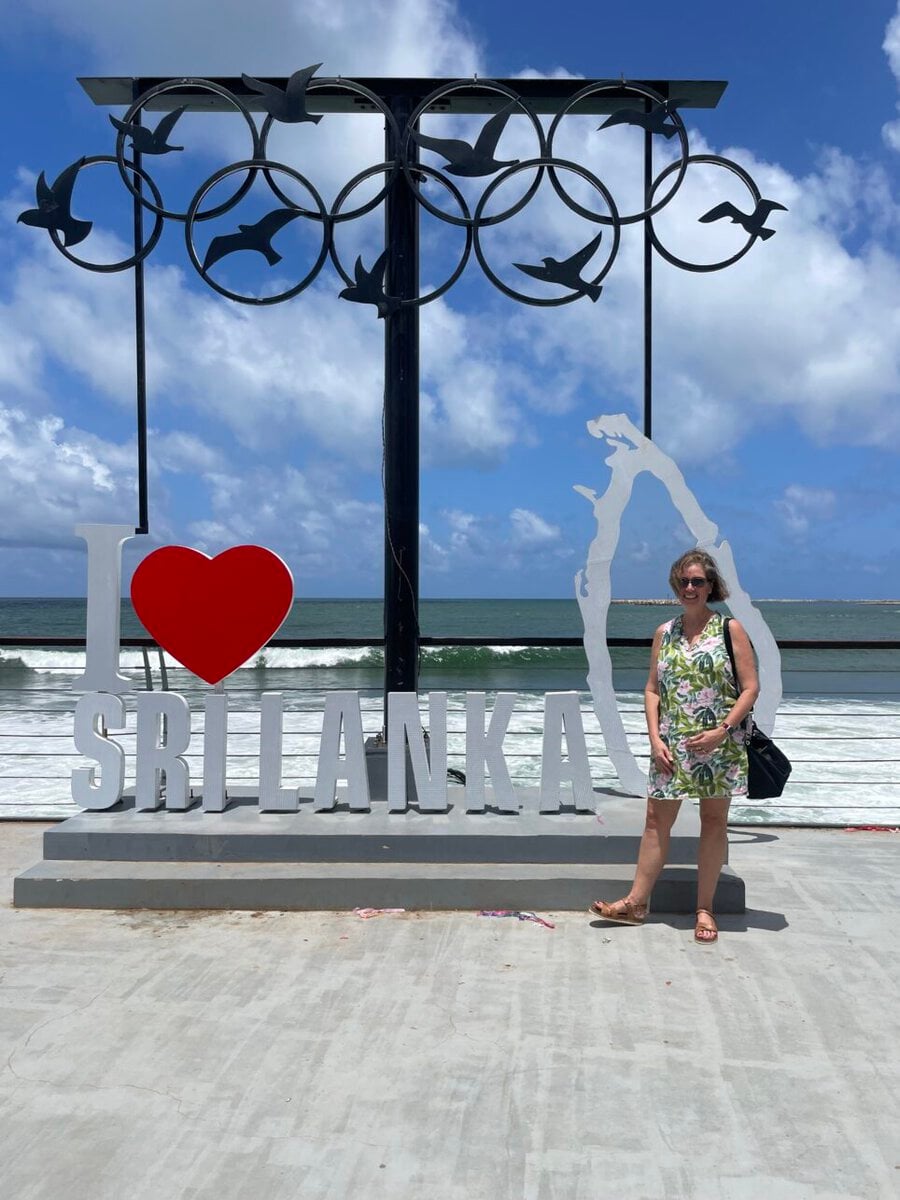
After the crowded lanes of the market, the sea side of the city opens up. Galle Face Green is the stop we recommend for this. Going from market lanes to open space by the sea shows you two sides of Colombo in one afternoon, and a tuk tuk makes the shift easy.
Sunday Mornings Before the Crowds
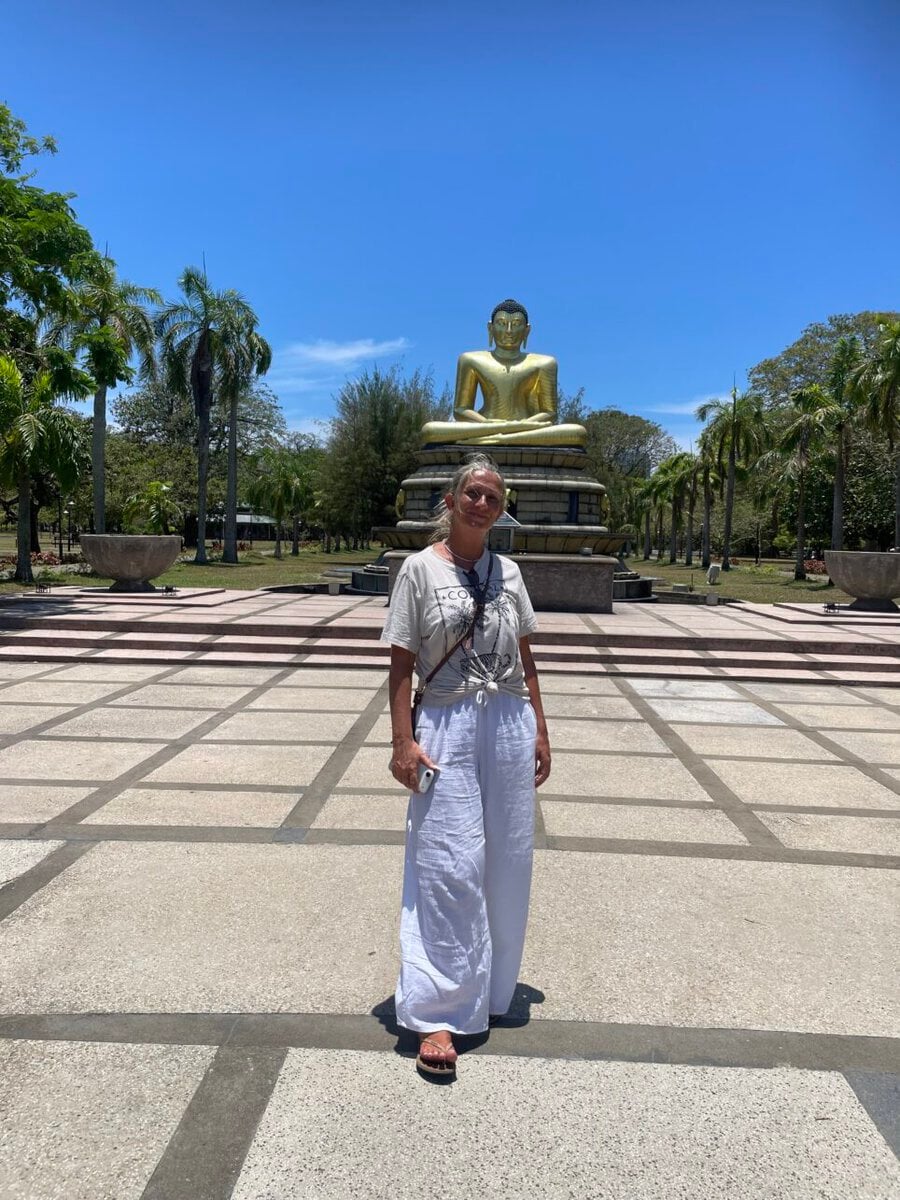
On Sunday mornings, the locals get there first. If your schedule allows, give one morning to it: people gather at the markets and temples before the tourist crowds arrive, and you see spiritual and daily life together at a quieter pitch than later in the day.
Temples and religious sites expect modest clothing, so pack for that.
Eating Along the Way
The sound of kottu being chopped on a griddle tells you where to stop before you see the stall. It’s a popular street food of chopped roti stirred with meat, egg, vegetables, and spices, spicy and savory, and best eaten at a local food stall.
Why Colombo Rewards More Than a Stopover
Colombo has diverse cultures and religions living side by side. Ride between neighborhoods by tuk tuk and the differences show up in what’s on the street and who is standing in it.
Many travel articles say a few hours is enough. In our experience, it isn’t. History and local culture take longer to absorb, and guests who give Colombo a few days leave with a very different picture than those who give it an afternoon.
Related read: Things To See and Do in Kollupitiya in Colombo
Practical Information
Getting There
Bandaranaike International Airport is the arrival point. You can reach Colombo by taxi or by bus, either a shuttle or a public one, and the journey takes approximately 45 minutes to an hour. Rates vary by option, so confirm with your hotel or driver before you set out.
Related read: Best Day Tours From Colombo
Best Time to Visit
January to March is the best window, when the weather is dry and pleasant.
What to Bring
- An umbrella or rain gear for sudden tropical showers
- Modest clothing for temples and religious sites
Planning Your Days
Give the city more than a stopover. Put the market on one day, the seafront on another, and keep a Sunday morning free if you can.
Frequently Asked Questions
What’s the best way to get around Colombo?
For sightseeing, we recommend a private tuk-tuk, because it lets you link the markets, colonial-era streets, and seafront without a rigid schedule. For the airport run, taxis, shuttle buses, and public buses are all options.
How long does it take to get from the airport to Colombo?
Plan on approximately 45 minutes to an hour, whether you take a taxi, shuttle bus, or public bus. Build in a little extra margin if you have somewhere to be on arrival.
When is the best time of year to visit Colombo?
January to March, when the weather is dry and pleasant. Sudden tropical showers can still happen, so keep rain gear in your bag.
Is one day enough to see Colombo?
We don’t think so. Colombo’s history and diverse culture reward a longer stay, and a rushed stopover tends to skip the conversations that make the city memorable.
What should I wear when visiting temples in Colombo?
Wear modest clothing. It’s a simple way to show respect at temples and other religious sites, and it matters most on Sunday mornings, when locals gather there.
What should I eat while exploring?
Try kottu at a local food stall. It’s chopped roti stirred with meat, egg, vegetables, and spices, and it makes a good break between a market walk and the seafront.