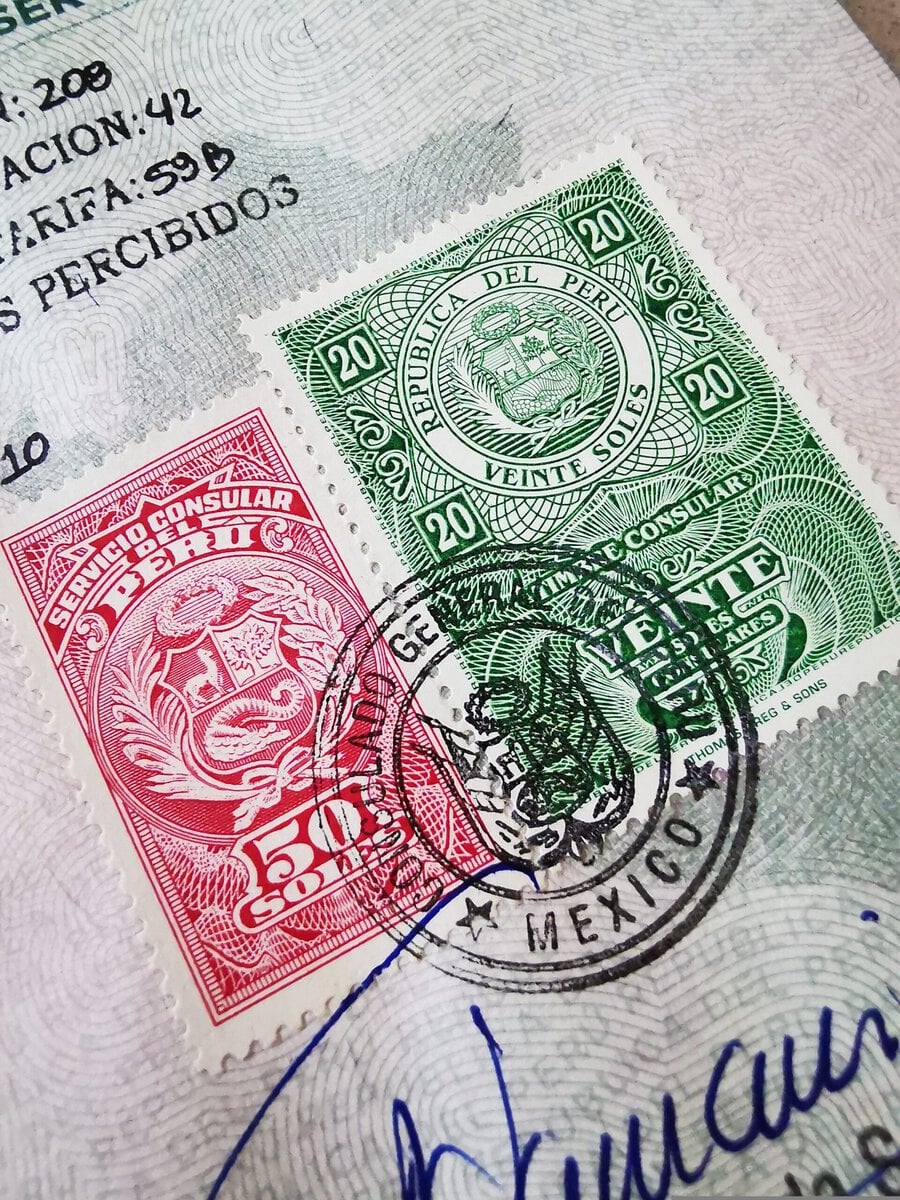
Passport stamps are disappearing fast. Since April 10, 2026, Schengen countries no longer stamp the passports of non-EU visitors and record each entry and exit digitally instead.
On October 1, 2026, U.S. Customs and Border Protection announced it would stop routinely stamping passports at primary inspection. The UK now screens most visitors online through its Electronic Travel Authorisation before they board. Your face, your passport chip and a database have replaced the ink.
I just traveled from Germany to London and return and was surprised how quickly the process was. I was surprised that we only needed to show our passport at the boarding gate once.
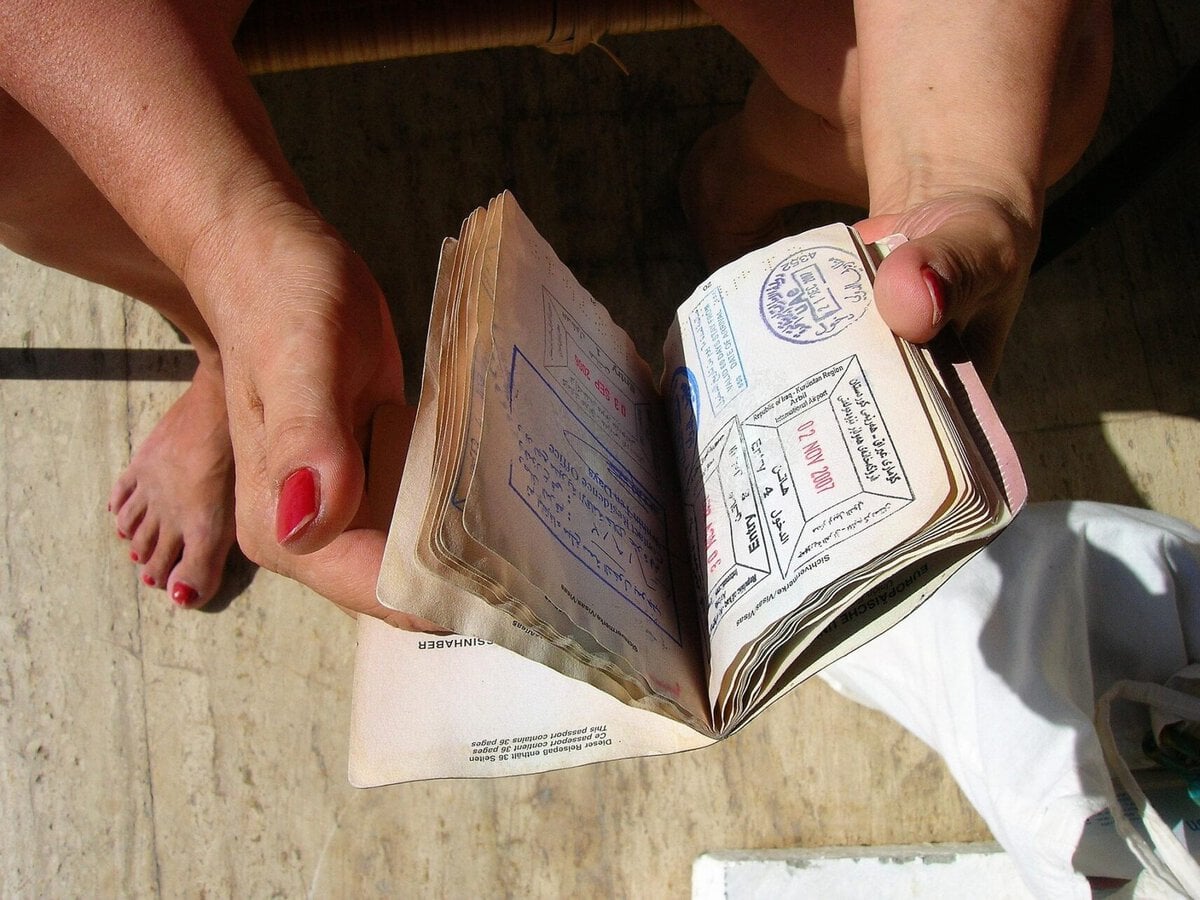
But plenty of travelers will tell you, without embarrassment, that they miss stamps, and the bureaucracy has little to do with it. A smudged mark from a border post in northern Laos. The thud of an officer’s hand on a page already crowded with other countries. Each stamp was small proof that you had actually been somewhere.
What We Lose When the Stamp Goes
Crossing a border used to feel like crossing something. You handed over a document, a person looked at your face and then at the photo, made a judgment and marked the moment in ink. It was a ritual, and rituals do work beyond their practical purpose.
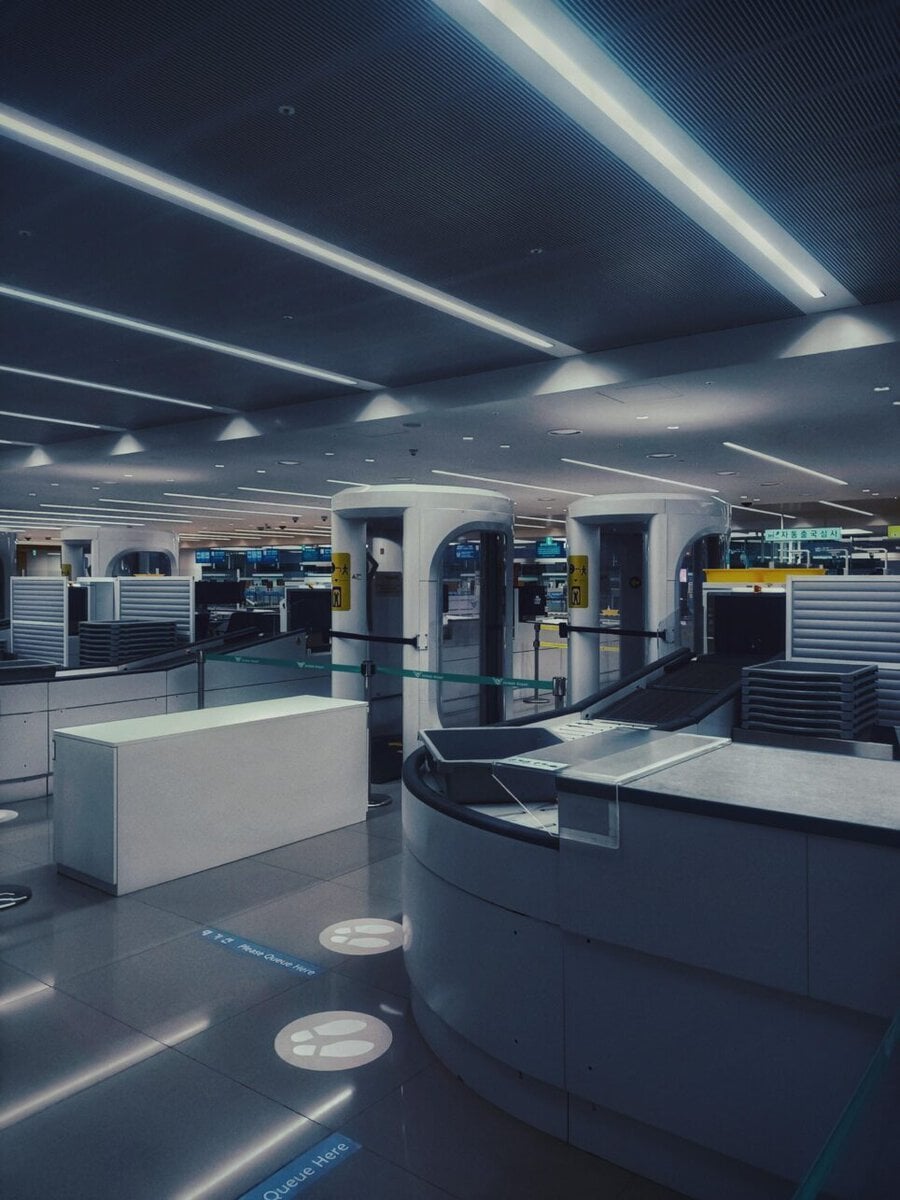
Biometric processing skips all of that. You look at a camera, the system matches your face to the photo stored in your passport chip, and a gate opens. It takes seconds and leaves no mark on anything you carry. You’ve entered a country, and the only evidence is a record you will probably never see.
The technology is faster, more accurate and copes with today’s passenger numbers in a way ink stamps and staffed booths never could. The practical case for it is overwhelming. The feeling it replaces still deserves a moment before it goes.
Where the Stamps Have Already Stopped
The Schengen Area. The EU’s Entry/Exit System (EES) started on October 12, 2025 and became fully operational at every external Schengen border on April 10, 2026. Non-EU visitors on short stays now register a facial image and four fingerprints on their first crossing. Every later entry and exit is logged automatically, which also means the system counts your 90 days in any 180 for you. More than 45 million border crossings had been recorded by the end of March 2026, before the system was even complete.
The United States. CBP announced on October 1, 2026 that it would stop routinely stamping passports at primary inspection. Your proof of entry is the electronic I-94 record, which you can check on the official I-94 website or in CBP’s app. If you want a stamp, you can still ask the officer at the booth. CBP’s facial comparison technology has been used to process more than 800 million travelers so far.
Singapore. Since September 2024, residents clear immigration at all four Changi terminals using only their face and iris, with no passport. Average clearance time dropped from 25 seconds to about 10. Foreign visitors still show a passport on arrival, but can leave using biometrics alone.
Australia. The orange paper incoming passenger card is on its way out. The digital Australia Travel Declaration, piloted on selected Qantas flights since October 2024, is being rolled out to all international airports and seaports by the end of 2027.
The Architecture of the Digital Border
The border used to be a place. Now it stretches backward into the weeks before your trip, through online pre-screening, and outward into data systems that connect immigration authorities across countries.
The pattern is the same in every major destination. Your eligibility is decided online before you board, and your identity is confirmed biometrically when you land. For a prepared traveler, the border has never been smoother. For an unprepared one, the friction has simply moved earlier in the journey, to the check-in desk or the departure gate, where it is harder to fix.
The UK’s ETA, the New Normal
The United Kingdom’s Electronic Travel Authorisation is among the clearest examples of how this transition plays out.
Until recently, visitors from visa-exempt countries such as the United States, Canada, Australia and the EU arrived with nothing more than a valid passport. No pre-registration, no advance screening. You booked your flight, landed at Heathrow and a border officer decided whether to let you in.
That system is gone. Visitors who don’t need a visa now need an ETA before they travel to the UK, and every traveler needs their own, babies and children included. The government fee is £20, and the authorization covers multiple trips of up to six months each over two years, or until your passport expires. The application is online, and for most applicants the approval arrives quickly and for a small fee. The ETA is linked electronically to your passport, invisible at the border itself, and checked automatically when the passport is scanned. Airlines, ferry operators and Eurostar check it before you board, so a missing ETA stops you at departure, long before you reach a UK officer.
We are trading ink-stained pages for digital pings. A computer screening has none of the romance of an old customs desk, but it is how you enter Britain today. If you’d like someone to check the details before your application goes in, a dedicated service like UK ETA VisaSyst reviews your form for errors and submits it for you, for a service fee on top of the government charge. Either way, the ETA has become the pre-border, a digital checkpoint you pass in your living room weeks before the trip.
Europe is building its own version. The European Travel Information and Authorisation System (ETIAS) will add a similar online step for visa-exempt visitors to the Schengen Area, but as of November 2026 it isn’t operating and no launch date has been set.
What Comes Next
Border technology points toward a future where the physical passport becomes optional for enrolled travelers. Several airports are already piloting single-token journeys where your face is your only credential from check-in through immigration. The boarding pass, the passport, the travel authorization all collapse into a facial scan.
The passport stamp, in that future, disappears from the concept of travel as well as from practice. There’s no document to stamp and no moment where a human hand makes a mark. The border becomes a camera, a database and a gate that opens or stays shut.
Whether that is better depends on what you valued about the old system. If you valued speed and accuracy, the answer is clear. If you valued the feeling of arriving, the weight of that threshold moment, something has been traded away that no algorithm will give back.
The stamps still sitting in older passports are starting to look like postcards from a way of moving through the world that is almost gone. If you have them, keep the passport when it expires. Many passport offices will cancel an old passport and hand it back to you on request, so ask when you renew.
Frequently Asked Questions
Do European countries still stamp passports?
Not for non-EU visitors on short stays. Since April 10, 2026, the 29 countries using the Entry/Exit System record entries and exits digitally instead of stamping passports. EU citizens moving within the Schengen Area were never stamped.
Can I still get a passport stamp as a souvenir?
Sometimes. In the U.S. you can ask the CBP officer for a stamp, and many countries outside Europe still stamp by default. Places like Machu Picchu and the Camino de Santiago also offer souvenir stamps. Collect those in a notebook or pilgrim credential, since some border officials treat unofficial stamps in a passport as damage.
How do I prove when I entered a country without a stamp?
In the U.S., download your electronic I-94 record from the official CBP I-94 website or app. In the Schengen Area, your entries and exits are stored in the EES, and the EU offers an online calculator to check your remaining days. Keep boarding passes and booking confirmations as backup.
Do I need an ETA to visit the UK in 2026?
You need one if you’re from a visa-exempt country such as the U.S., Canada, Australia or an EU member state. British and Irish citizens and people who already hold UK immigration permission don’t. Each traveler needs their own ETA, including children.
How long does the UK ETA take?
Most decisions arrive quickly, often within minutes, but the UK government advises allowing up to three working days. Apply as soon as your trip is booked so a referral for manual checks doesn’t put your flight at risk.
Is ETIAS required to visit Europe yet?
No. As of November 2026, ETIAS is not operating and is not collecting applications. The EU says it will announce the start date several months before launch.