
There are few things more frustrating than pulling out your card at a casino in Macau, a gaming lounge in Vegas, or an online platform mid-layover… only to get hit with a declined transaction, a foreign currency surcharge, or a four-day processing delay.
Crypto payments abroad are rapidly changing that experience, and a growing number of frequent travelers are making the switch not out of ideology, but out of practicality.
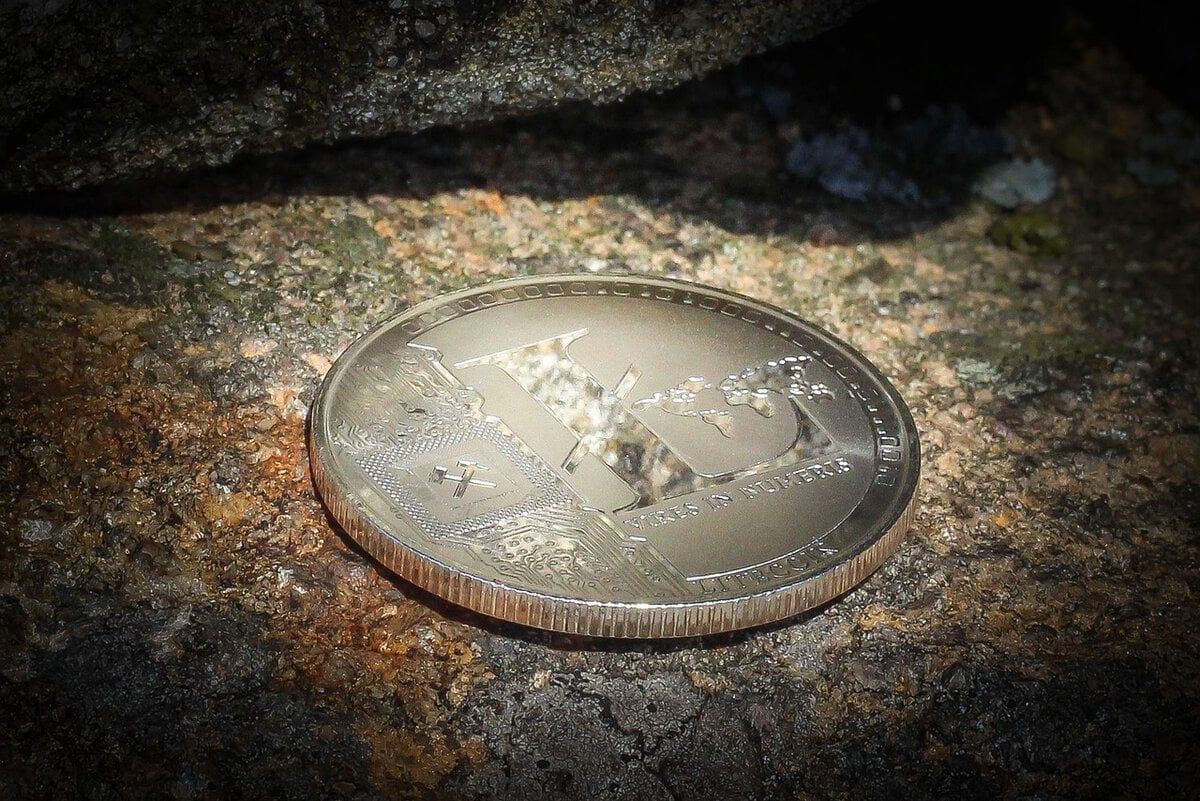
The mechanics are straightforward: instead of routing spending through a bank that flags overseas transactions or charges 3% on every foreign purchase, travelers fund entertainment via a digital wallet, transact in seconds, and skip the middleman entirely. According to Newgamenetwork, Litecoin in particular has emerged as one of the most practical crypto options for this use case, offering faster confirmation times and lower average fees than Bitcoin, making it well-suited to the kind of casual, on-the-go entertainment spending travelers actually do.
This shift is part of a broader trend. In 2024, roughly 14% of all digital currency transactions globally were spent on travel and hospitality, according to payment processor Triple-A. A figure that has grown year-on-year as crypto wallets become easier to use and more widely accepted.

Why Traditional Payment Methods Keep Letting Travelers Down
Anyone who has spent real time traveling knows the friction. Banks flag unusual foreign transactions as suspicious, often without warning. Credit card companies add foreign transaction fees that compound across a long trip. And in some destinations, particularly across Southeast Asia, Eastern Europe, and parts of Latin America, card acceptance at entertainment venues is unreliable at best.
The problem is especially acute for high-frequency entertainment spending: gaming platforms, streaming subscriptions, entertainment apps, and online casino platforms where deposits and withdrawals happen multiple times a week. A 2–3% fee on every transaction sounds small until you run the numbers over a month-long trip.
Crypto sidesteps most of this. Transactions are borderless by design. There’s no bank deciding whether your spending habits look suspicious, no foreign currency conversion markup, and no weekend processing delays. For travelers who treat online entertainment as a regular part of their downtime, this is a genuine quality-of-life improvement.
Why Litecoin Specifically?
Bitcoin gets most of the headlines, but it isn’t necessarily the most practical option for routine entertainment spending. Transaction fees on the Bitcoin network can spike significantly during periods of high network congestion, and confirmation times can vary.
Litecoin was built to solve exactly these problems. It operates on a peer-to-peer network with no central authority, processes transactions roughly four times faster than Bitcoin, and typically charges a fraction of a cent per transaction, usually between $0.03 and $0.04 regardless of the amount being sent. For someone making frequent small-to-medium entertainment deposits during a trip, that consistency matters.
It’s also widely supported. Major cryptocurrency exchanges like Kraken and CryptoCom list Litecoin as a standard asset, which means travelers who already hold crypto can usually add LTC to their wallets without opening new accounts or navigating obscure platforms.
How It Works in Practice
The basic flow is simpler than most people expect:
- Set up a crypto wallet. The official Litecoin wallet is free and takes minutes to configure. Third-party wallets like Trust Wallet or Exodus also support LTC.
- Purchase Litecoin. Available on all major exchanges. Travelers who already use a crypto exchange for other purposes can typically add LTC in a few taps.
- Fund entertainment platforms directly. Supported platforms display a unique wallet address at checkout. Send LTC to that address, and the transaction confirms within a few minutes.
- Withdraw winnings or remaining balance the same way. No waiting for a bank to process a wire. No minimum withdrawal thresholds that assume you use bank transfers.
The entire cycle, deposit to withdrawal, typically takes under 15 minutes on a well-supported platform. For comparison, a standard bank transfer withdrawal from an online entertainment platform can take three to five business days.

Crypto Entertainment While Traveling: What’s Actually Available
This isn’t a niche corner of the internet anymore. Crypto-friendly entertainment platforms now cover a broad range of traveler interests.
For gaming enthusiasts, there’s a well-developed ecosystem of online casino and card game platforms that have built their entire infrastructure around cryptocurrency payments. These platforms accept LTC alongside Bitcoin, Ethereum, and other major coins, and many are licensed under international frameworks like Curaçao eGaming, which provides at least a baseline of operational oversight.
Travel entertainment more broadly – streaming services, gaming platforms, digital experience bookings – is also becoming increasingly crypto-compatible. TravalaCom, for instance, has long accepted Litecoin among dozens of cryptocurrencies for booking hotels and tours, blurring the line between crypto-as-payment and crypto-as-travel-tool.
For travelers who use online casino platforms as part of their entertainment mix, our guide to the best gaming countries to visit covers destinations where gaming culture is woven into the travel experience, and where crypto-friendly platforms tend to have the most active user bases.
A Note on Volatility and Responsible Spending
Crypto is not a savings vehicle, and Litecoin is not immune to market swings. The practical advice here is simple: convert only what you intend to spend into LTC, and don’t hold entertainment funds in crypto for extended periods if you’re sensitive to price movement.
Most experienced crypto users treat their entertainment wallet like a prepaid card: top it up with what you plan to use, spend it, and cash out any remaining balance promptly. This limits exposure to volatility and keeps the payment method doing what it’s designed to do: make transactions faster and cheaper, not generate investment returns.
It also bears mentioning that online entertainment platforms, including casino-style games, are regulated differently across jurisdictions. Some platforms operate under formal licenses from bodies like the Malta Gaming Authority (MGA) or the UKGC; others are licensed offshore. Before signing up for any platform, check both the licensing details and your local regulations.
The Bigger Picture: Crypto Is Becoming a Practical Travel Tool
The narrative around cryptocurrency has shifted. What began as a speculative investment vehicle has matured into a functional payments infrastructure, and travelers are among the groups benefiting most. Borderless transactions, no bank intermediaries, and near-instant settlement address pain points that traditional banking simply hasn’t solved.
For entertainment spending specifically, the case is strong. The transaction fees are low, the speed is meaningful, and the accessibility, a wallet on your phone, usable anywhere with an internet connection, fits how modern travelers actually operate.
The friction isn’t zero. Setting up a wallet for the first time has a learning curve. Exchange rates at purchase introduce minor slippage. And not every platform supports every coin. But for travelers who make entertainment a real part of their trips, not just an afterthought, the switch to crypto payments is increasingly the rational choice, not the exotic one.
The Smarter Way to Pay for Entertainment on the Road
The old way, card declined, fees stacked, bank on hold, is becoming optional. For travelers who want their entertainment spending to work as reliably as their other travel tools, crypto payments offer a genuinely practical alternative.
Litecoin, with its low fees and fast confirmations, sits at the practical end of that spectrum: not a speculative play, but a functional payment rail that happens to work well on the road.
As always, gamble responsibly and only spend what you can afford. If entertainment gaming ever feels like more than entertainment, resources like BeGambleAware.org are there to help.